
SLU-PP-332 is a synthetic small-molecule agonist of the estrogen-related receptor (ERR) family, particularly ERRα. It is best known as an experimental “exercise-mimetic” compound because preclinical studies suggest that activating ERR signaling can reproduce some molecular and metabolic adaptations associated with aerobic exercise.
1. Basic identity
| Property | Information |
| Name | SLU-PP-332 |
| Type | Synthetic small molecule |
| Chemical class | Acylhydrazone / benzohydrazide derivative |
| Not a peptide | Yes — it contains no amino-acid chain or peptide bonds |
| Primary target | Estrogen-related receptors (ERRs) |
| Targets | ERRα, ERRβ, ERRγ |
| Strongest activity | ERRα |
| Molecular formula | C₁₈H₁₄N₂O₂ |
| Molecular weight | 290.32 g/mol |
| CAS No. | 303760-60-3 |
| Research status | Preclinical research compound |
These chemical identifiers are also reported by Sigma-Aldrich for its research-grade SLU-PP-332.
2. What does “SLU-PP-332” mean?
SLU-PP-332 was developed as a pharmacological research tool for studying ERR signaling. The “SLU” designation is associated with work from Saint Louis University, where researchers investigated synthetic compounds capable of activating ERRs.
Importantly, ERRs are different from conventional estrogen receptors (ERα/ERβ). ERRα, ERRβ, and ERRγ are orphan nuclear receptors involved in regulating genes associated with energy metabolism, mitochondrial function, oxidative phosphorylation, and exercise adaptation.
3. Mechanism in simple terms
A simplified pathway is:
SLU-PP-332 → ERR activation → transcription of metabolic genes → increased mitochondrial activity → greater oxidative metabolism
The original research found that SLU-PP-332 activates all three ERR subtypes, with the strongest activity toward ERRα. Reported cellular EC₅₀ values were approximately 98 nM for ERRα, 230 nM for ERRβ, and 430 nM for ERRγ.
4. Why is it called an “exercise mimetic”?
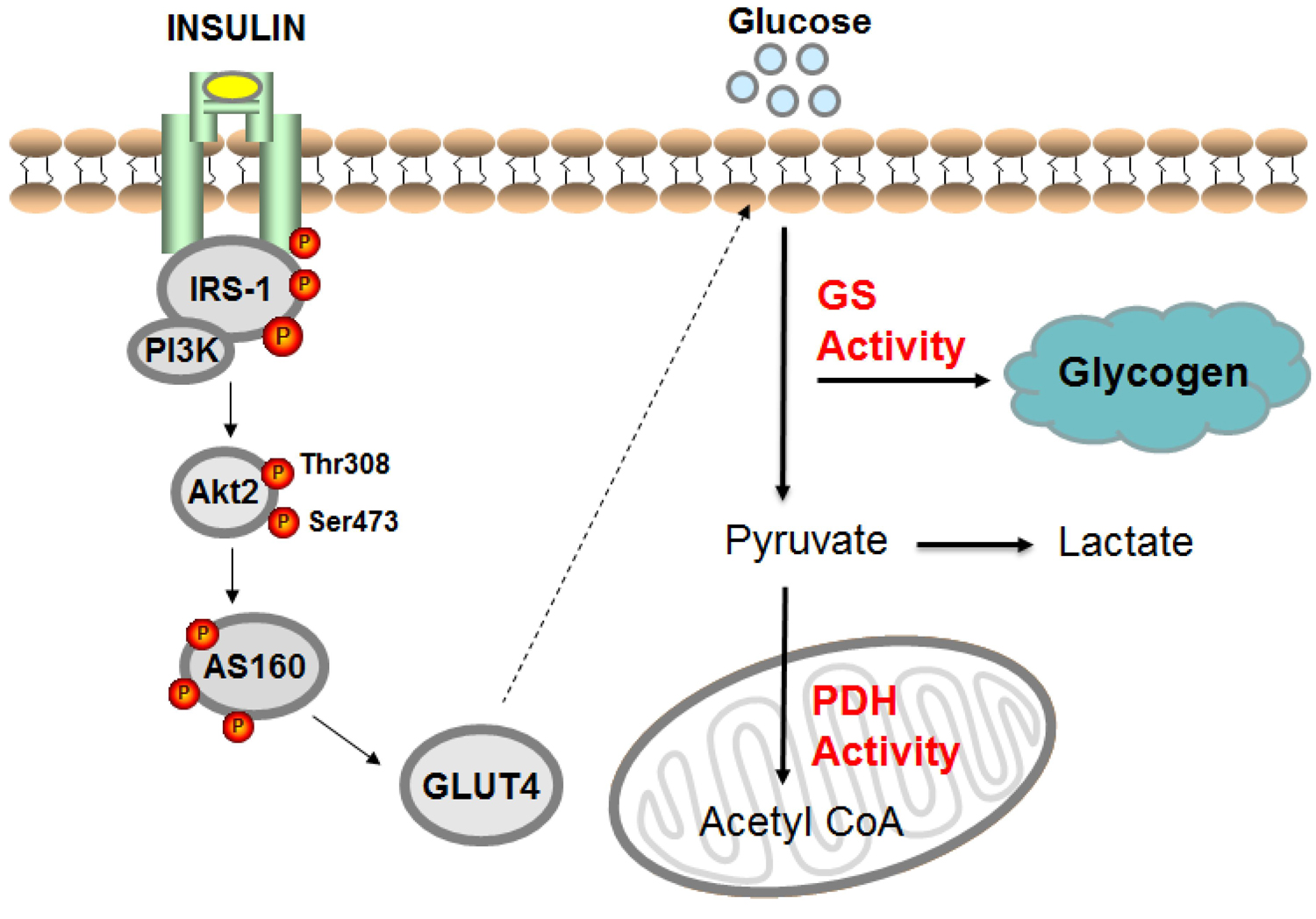
Exercise normally stimulates signaling pathways that increase mitochondrial capacity and oxidative metabolism in skeletal muscle.
In laboratory studies, SLU-PP-332 produced some similar molecular effects. In muscle cells, it increased mitochondrial function and cellular respiration. In mice, treatment increased oxidative type IIa muscle fibers and improved exercise endurance.
So, “exercise mimetic” does not mean that SLU-PP-332 literally replaces exercise. It means that the compound can pharmacologically activate some biological pathways normally stimulated by exercise.
5. Main research areas
SLU-PP-332 has therefore attracted interest in research involving:
- Mitochondrial metabolism
- Skeletal-muscle oxidative capacity
- Exercise physiology
- Energy expenditure
- Metabolic syndrome
- Obesity research
- Aging-related metabolic dysfunction
- ERRα/β/γ biology
- Potential exercise-mimetic therapeutics
A 2026 structure–activity relationship study further optimized the SLU-PP-332 chemical scaffold and investigated how structural modifications influence ERR potency, selectivity, metabolic stability, and transcriptional responses.
6. Current scientific status
This is the most important point: SLU-PP-332 remains a preclinical research compound, not an approved medicine or established human supplement.
The major evidence comes from cellular experiments and animal studies, particularly mice. There is currently no established clinical evidence demonstrating safety or efficacy in humans, so claims that it can safely produce exercise-like effects, increase muscle mass, or treat obesity in people should not be interpreted as clinically proven.
Bottom line
SLU-PP-332 is a synthetic ERRα/β/γ agonist designed as a research tool to activate metabolic and mitochondrial pathways. Its most interesting feature is its ability to reproduce certain exercise-responsive molecular adaptations in laboratory models, particularly in skeletal muscle. However, it is still experimental and preclinical, and its human safety, appropriate dosing, long-term effects, and therapeutic effectiveness have not been established.