
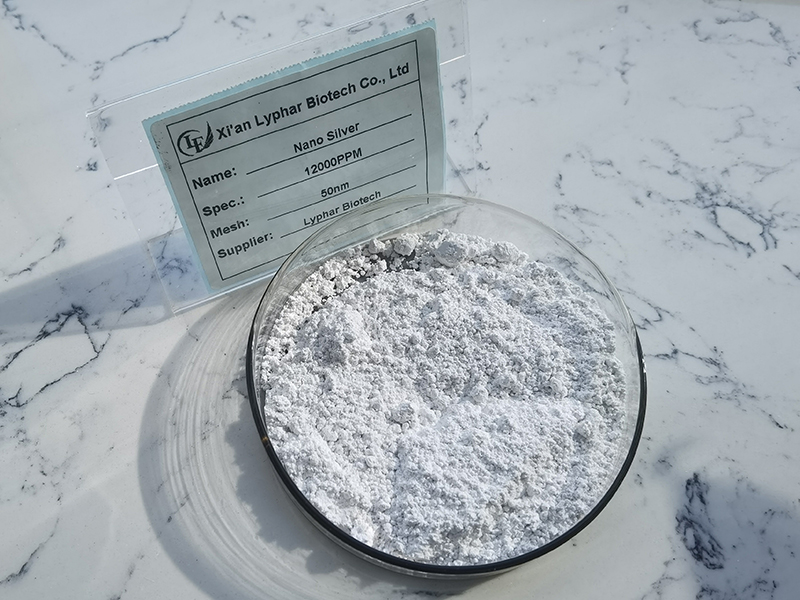
Nano Silver, also called silver nanoparticles, is primarily made from silver in extremely small, nanometer-scale particles. The basic ingredients and components used to produce nano silver include:
1. Silver source (precursor):
Usually silver nitrate (AgNO₃) is used because it easily dissociates to provide silver ions.
Other silver salts like silver acetate or silver citrate can also be used in some methods.
2. Reducing agent:
Needed to convert Ag⁺ ions into metallic silver nanoparticles (Ag⁰).
Common reducing agents include:
- Sodium borohydride (NaBH₄) – fast reduction, small particles
- Ascorbic acid (Vitamin C) – mild, biocompatible
- Glucose – environmentally friendly, slower reaction
3. Stabilizer / capping agent:
Prevents nanoparticles from aggregating and controls their size.
Examples:
- Polyvinylpyrrolidone (PVP)
- Citrate ions
- Chitosan (for biomedical applications)
4. Solvent:
Usually water is used, but sometimes alcohols or other solvents are applied depending on the synthesis method.
Optional additives may include surfactants, pH adjusters, or other ligands to tailor the particle size, shape, or surface properties.
If you want, I can also explain the simplest lab method to make Nano Silver using just silver nitrate, a reducing agent, and a stabilizer—step by step.
Adverse effects of Nano Silver
Nano Silver (silver nanoparticles, AgNPs) is widely used for its antimicrobial properties, but its small size and high reactivity can lead to potential adverse effects on human health and the environment. Here’s a detailed overview:
1. Human Health Risks
a. Cytotoxicity
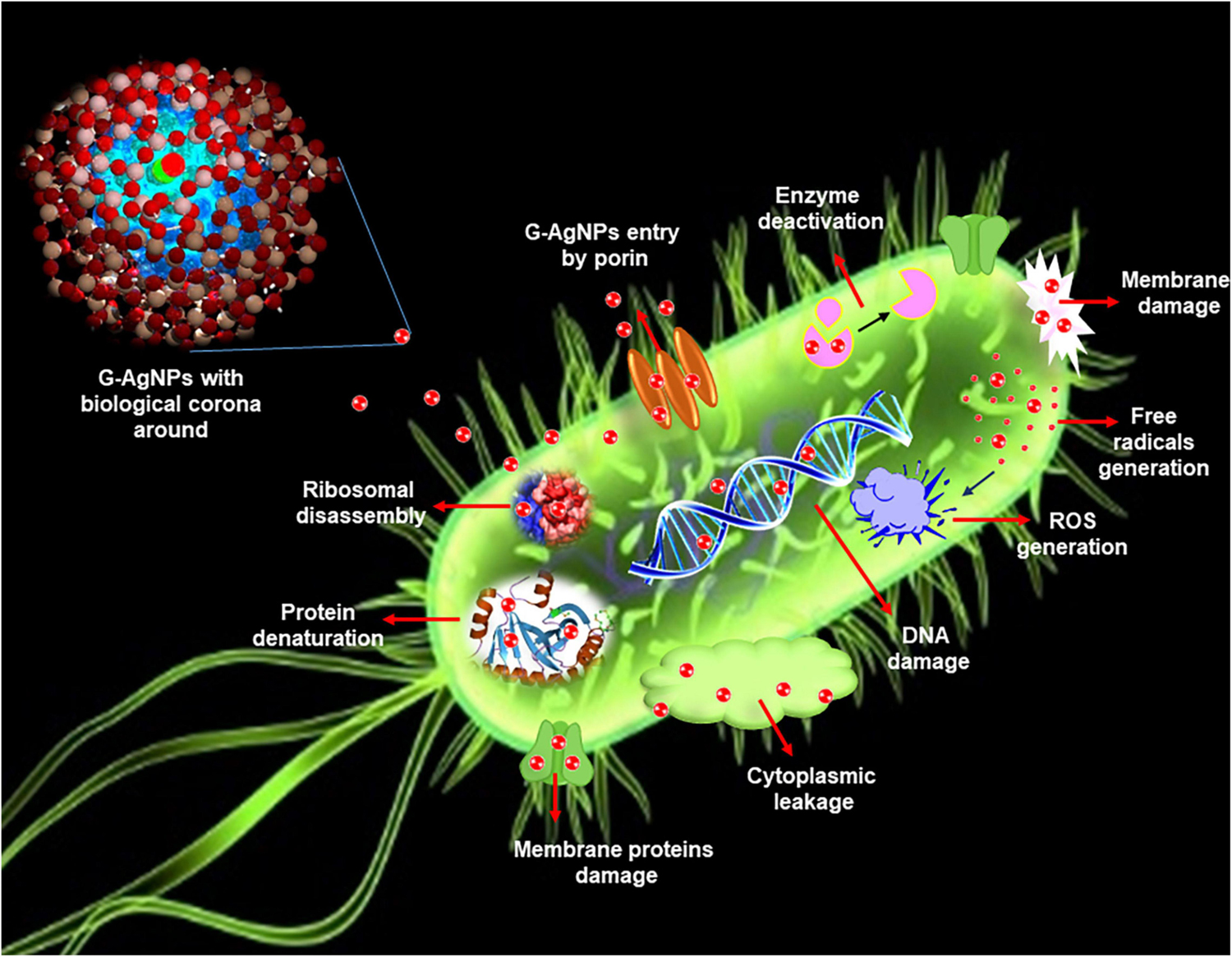
- Nano Silver can enter cells and interact with cellular components like mitochondria, leading to oxidative stress.
- Excess reactive oxygen species (ROS) generation may damage DNA, proteins, and lipids, potentially causing cell death.
b. Inflammation
- Exposure can trigger inflammatory responses in tissues, especially the lungs if inhaled.
- Symptoms may include coughing, shortness of breath, and tissue irritation.
c. Argyria
- Chronic ingestion or high exposure can lead to a bluish-gray discoloration of the skin, known as argyria.
- While mostly cosmetic, it is permanent.
d. Organ Toxicity
- High doses or prolonged exposure may affect the liver, kidneys, and spleen due to nanoparticle accumulation.
- Liver enzyme levels and kidney function can be altered in experimental studies.
e. Neurotoxicity
- Some studies indicate potential effects on the nervous system, including neuron damage or behavioral changes in animal models.
- Likely related to oxidative stress and inflammation.
f. Respiratory Effects
- Inhalation of Nano Silver can cause lung inflammation, fibrosis, and impaired respiratory function.
2. Environmental and Microbiome Concerns
- Nano Silver released into water or soil can harm beneficial bacteria and aquatic organisms.
- It may disrupt the human gut microbiome if ingested, affecting digestion and immunity.
3. Factors Influencing Toxicity
- Size: Smaller nanoparticles (<10 nm) are generally more toxic due to higher surface area and reactivity.
- Shape and coating: Rod-shaped or uncoated particles can penetrate cells more easily.
- Dose and duration: Chronic low-level exposure can accumulate, leading to long-term effects.
- Route of exposure: Inhalation, ingestion, and dermal contact have different risk profiles.
4. Safety Considerations
- Avoid prolonged ingestion of Nano Silver supplements.
- Use protective equipment if handling nanoparticles in industrial or lab settings.
- Monitor for environmental contamination if used in large-scale applications.
If you want, I can make a table summarizing the key adverse effects of Nano Silver along with their severity and exposure routes, which is easier to visualize.
Do you want me to do that?