
Nano Silver (silver nanoparticles, AgNPs) is widely used in functional textiles due to its strong, broad-spectrum antimicrobial properties and durability when properly fixed to fibers.
1. Antimicrobial Mechanism
The core principle of Nano Silver application is its antibacterial and antifungal activity.
(1) Release of Silver Ions (Ag⁺)
Nano Silver gradually releases silver ions (Ag⁺), which:
- Disrupt bacterial cell membranes
- Interfere with DNA replication
- Inhibit respiratory enzymes
- Denature microbial proteins
This leads to rapid microbial inactivation.
(2) Large Surface Area Effect
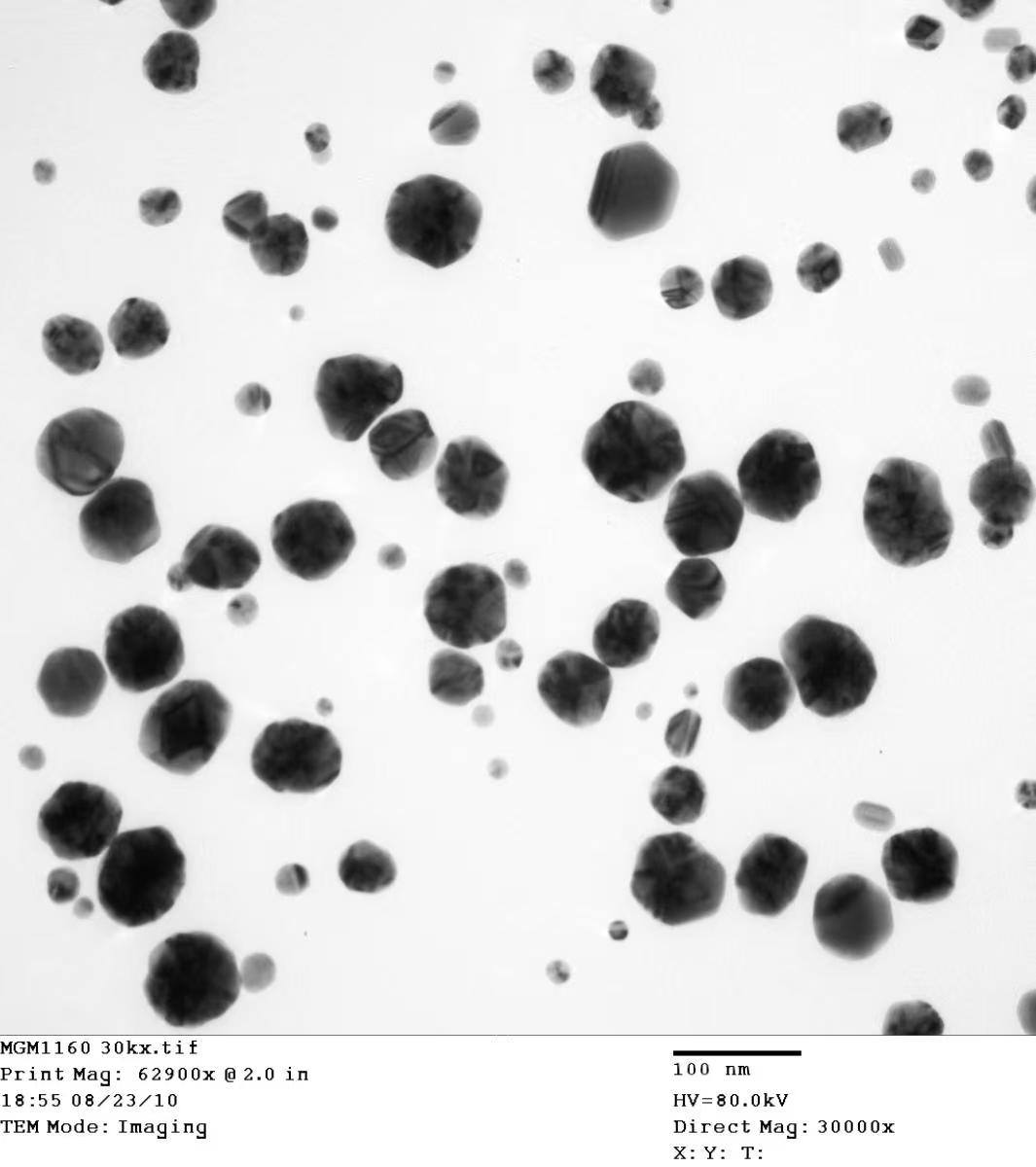
Because nanoparticles are extremely small (1–100 nm):
- They have a very high surface-area-to-volume ratio
- More contact with microbes
- Enhanced catalytic and antimicrobial efficiency
(3) Reactive Oxygen Species (ROS) Generation
Nano Silver can promote formation of reactive oxygen species (ROS), which:
- Damage cell membranes
- Oxidize intracellular components
- Cause cell death
2. Application in Textiles
Nano Silver is incorporated into textiles using several techniques:
(1) Surface Finishing (Coating Method)
- Padding–drying–curing process
- Spray coating
- Dip coating
Silver nanoparticles are deposited onto fabric surfaces and fixed with binders.
(2) Fiber Incorporation (Spinning Method)
Nano Silver is:
- Mixed into polymer melt (e.g., polyester, polypropylene)
- Embedded directly during fiber spinning
- This provides better wash durability.
(3) In-Situ Synthesis on Fabric
Silver salts (e.g., AgNO₃) are reduced directly on the textile surface to form nanoparticles in place.
3. Application in Masks
Nano Silver is applied to mask filter layers to:
- Inhibit bacterial growth on mask surfaces
- Reduce odor caused by microbial metabolism
- Provide self-disinfecting functionality
It is commonly integrated into:
- Nonwoven melt-blown polypropylene layers
- Surface coatings of reusable masks
Unlike purely mechanical filtration, nano silver adds active antimicrobial protection.
4. Application in Clothing
Common uses include:
- Sportswear (odor control)
- Socks (anti-fungal, anti-foot odor)
- Medical garments (antimicrobial scrubs, hospital bedding)
- Underwear (hygienic protection)
The principle is preventing microbial growth in moist environments (sweat-prone areas).
5. Advantages in Textile Applications
- Broad-spectrum antimicrobial activity
- Long-lasting effect (if properly fixed)
- Low required concentration
- Thermal stability
- Compatible with many fiber types
6. Key Considerations
- Wash durability depends on bonding method
- Excessive release may cause environmental concerns
- Regulatory approval varies by country
- Safety evaluation is important for skin-contact products
Summary
The application principle of Nano Silver in textiles, masks, and clothing is based on:
- Controlled release of Ag⁺ ions
- Direct nanoparticle–microbe interaction
- Oxidative microbial damage
When properly engineered, nano silver-treated fabrics provide durable antimicrobial, deodorizing, and hygienic functionality without significantly altering fabric comfort or breathability.