
Nano Silver, or silver nanoparticles, offers several notable benefits due to its unique physical and chemical properties at the nanoscale.Here’s a clear comparison between Nano Silver and Regular Silver across key aspects:
1. Size & Structure
Nano Silver: Composed of silver particles at the nanoscale (1–100 nm). Extremely small, giving a very high surface area-to-volume ratio.
Regular Silver: Bulk metal or ionic silver, typically visible to the naked eye, with much lower surface area relative to volume.
2. Physical Properties
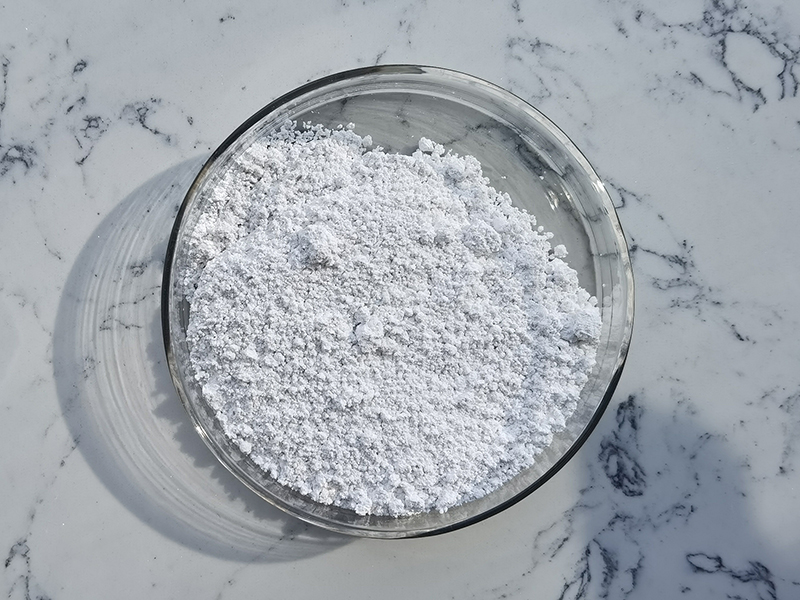
Nano Silver: Appears as a colloidal solution or fine powder; may have different optical properties (like a yellowish or brown tint) due to plasmon resonance.
Regular Silver: Shiny, metallic solid; highly reflective; stable in bulk form.
3. Chemical Reactivity
Nano Silver: Highly reactive due to the increased surface area. Can release silver ions (Ag⁺) more readily, which are responsible for antimicrobial effects.
Regular Silver: Less reactive; releases ions slowly; doesn’t show strong antimicrobial activity in bulk form.
4. Antimicrobial Properties
Nano Silver: Strong antibacterial, antifungal, and antiviral activity. Used in medical coatings, wound dressings, and textiles.
Regular Silver: Antimicrobial only when ionized (e.g., silver nitrate or silver salts), otherwise relatively inert.
5. Applications
Nano Silver:
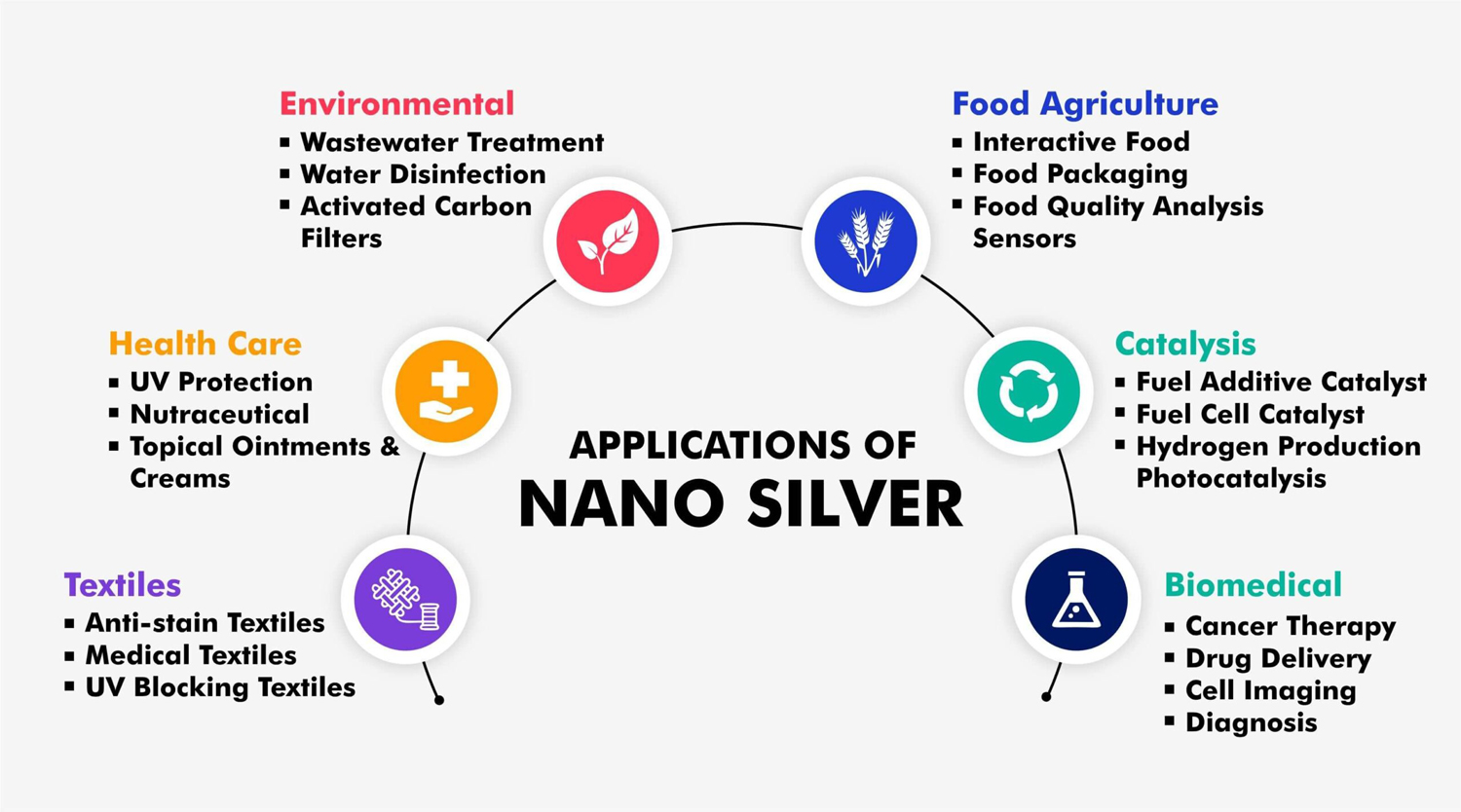
- Medical: wound dressings, catheters, antimicrobial coatings
- Consumer: clothing, air purifiers, water filters
- Electronics: conductive inks, sensors
Regular Silver:
- Jewelry, coins, silverware
- Photography (historically)
- Electronics and mirrors
6. Toxicity & Safety
Nano Silver: Potential cytotoxicity at high doses; can accumulate in organs if overused. Safety depends on particle size, dose, and exposure route.
Regular Silver: Generally low toxicity; long-term exposure can cause argyria (skin discoloration) if excessive silver salts are ingested.
7. Cost
Nano Silver: More expensive due to complex production methods.
Regular Silver: Cheaper per gram in bulk form.
Summary:
Nano Silver is ultrafine, highly reactive, and antimicrobial, mainly used for medical and industrial purposes. Regular Silver is bulk, stable, and mainly ornamental or industrial, with limited antimicrobial use unless in ionic form.
If you want, I can make a side-by-side table comparing Nano Silver and Regular Silver visually—it makes differences much easier to see. Do you want me to do that?