
Boron Nitride (BN) is generally considered chemically inert and non-toxic, which is one reason it’s widely used in cosmetics, lubricants, electronics, and even some medical applications. However, the potential adverse effects depend on the form of BN and the route of exposure. Here’s a detailed overview:
1. Inhalation (Powder Form)
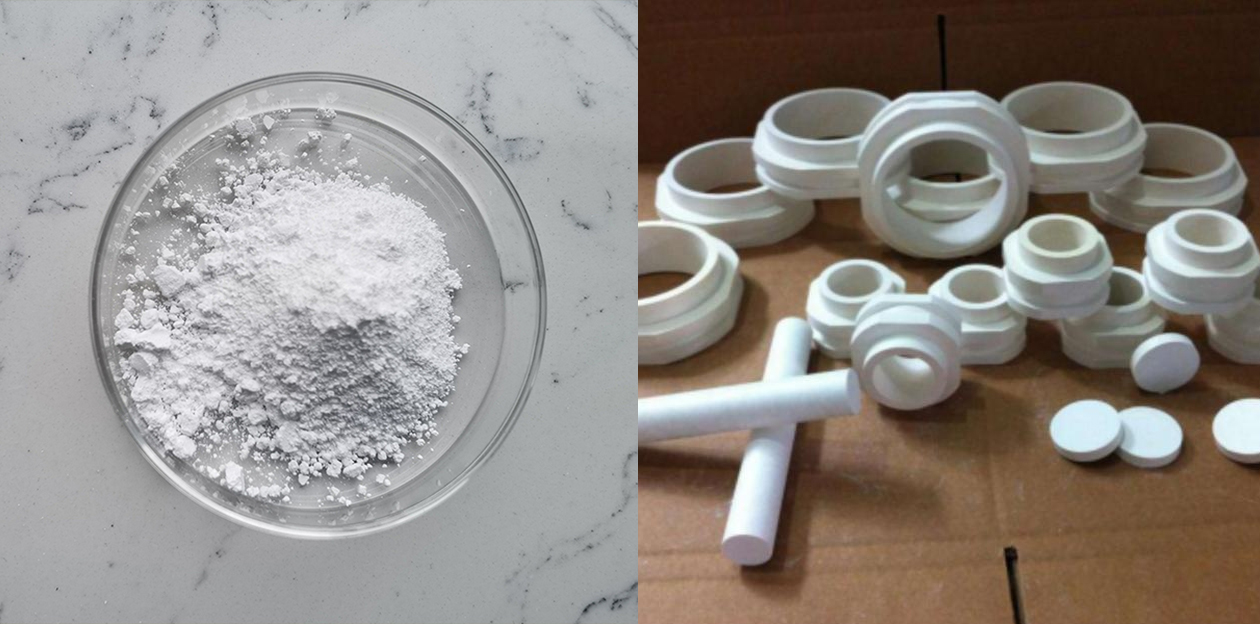
- Respiratory irritation: Fine Boron Nitride powders, like other fine particulates, can irritate the lungs if inhaled in large amounts.
- Chronic exposure risks: Repeated inhalation of nanoparticles (e.g., hexagonal boron nitride nanosheets) might lead to lung inflammation, though current studies suggest low toxicity compared to materials like silica or asbestos.
2. Skin Contact
- Generally safe: Topical exposure, as in cosmetics (powders, creams), is usually non-irritating.
- Possible mild irritation: Rarely, very sensitive individuals might experience redness or dryness.
3. Ingestion
- Low toxicity: Oral exposure to Boron Nitride is considered very low risk. Most studies indicate it passes through the digestive system without being absorbed.
- High doses: Extremely high ingestion might cause mild gastrointestinal discomfort, but such cases are uncommon.
4. Eye Contact
- Mechanical irritation: Boron Nitride powder can cause temporary irritation if it gets into the eyes, similar to dust particles.
- No chemical toxicity: It doesn’t react with eye tissue chemically.
5. Nanoparticle Concerns
- Emerging research: Boron Nitride in nanoparticle or nanosheet form could potentially cause oxidative stress or cellular effects in high concentrations, but studies so far indicate low bioactivity and low toxicity compared to other nanomaterials like carbon nanotubes.

Summary
- Boron Nitride is largely non-toxic and safe in most forms.
- Main risks are mechanical or particulate irritation (lungs, eyes, skin) rather than chemical toxicity.
- Caution is advised for aerosolized powders or nanoparticles—use masks or ventilation when handling in industrial settings.