
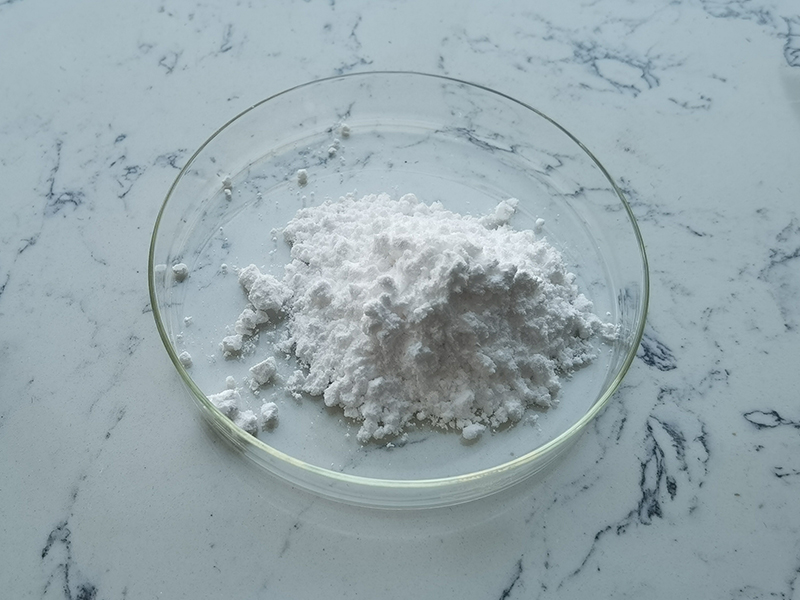
Ectoine is a naturally occurring small organic molecule classified as an extremolyte (protective molecule). It is produced by certain bacteria to help them survive in extreme environmental conditions like high salinity, UV radiation, heat, or cold.
Chemical Information of Ectoine
| Property | Details |
| Chemical Name | Ectoine |
| IUPAC Name | (S)-2-methyl-1,4,5,6-tetrahydropyrimidine-4-carboxylic acid |
| Molecular Formula | C₆H₁₀N₂O₂ |
| Molecular Weight | 142.16 g/mol |
| Structure | Cyclic amino acid derivative |
Sources of Ectoine
Naturally synthesized by halophilic (salt-loving) bacteria such as:
- Halomonas elongata
- Halobacteria
Found in extreme environments: salt lakes, deserts, hot springs.
Properties & Functions of Ectoine
| Function | Benefit |
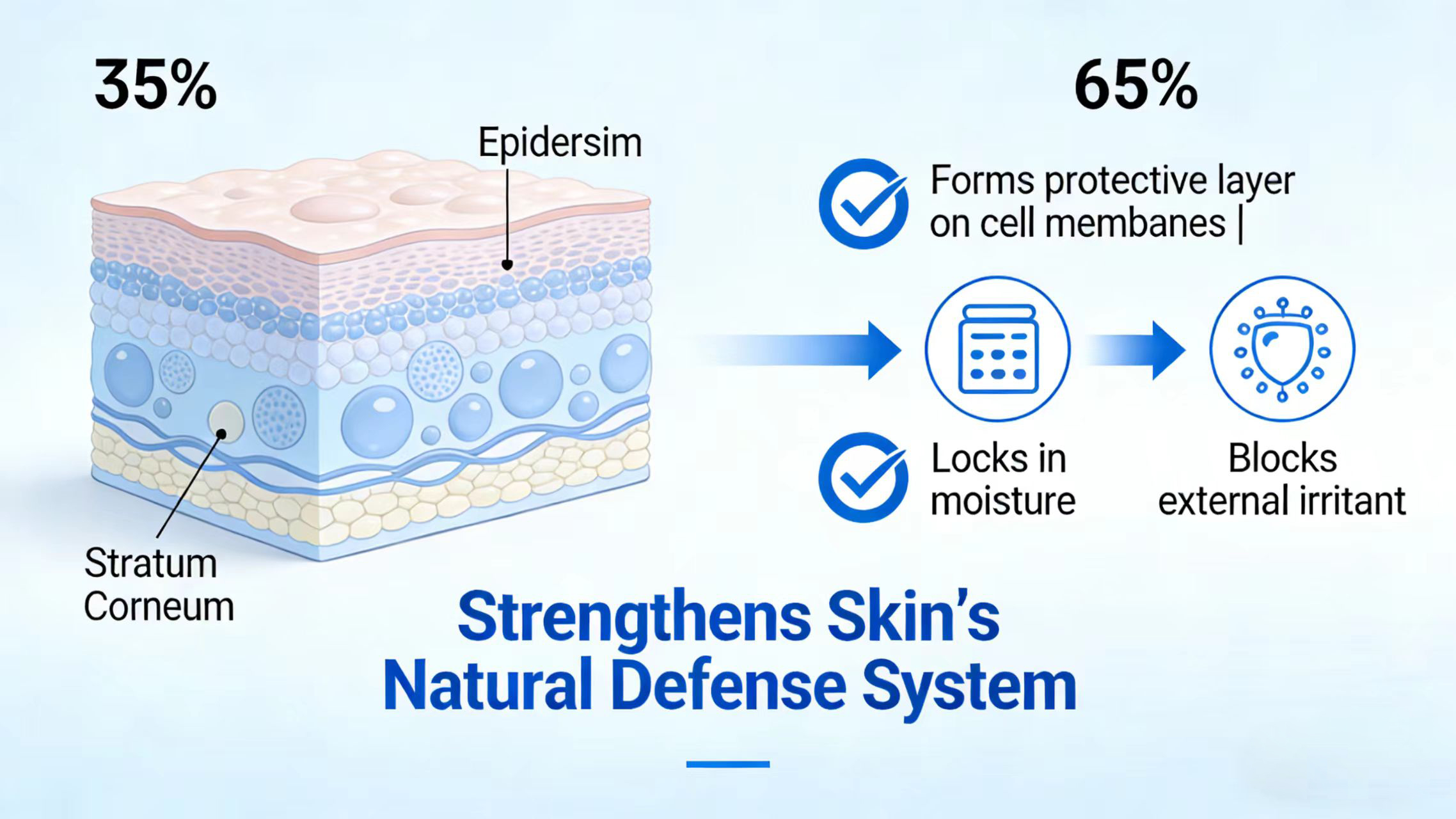
| Osmoprotectant | Protects cells from dehydration by retaining water. |
| Anti-inflammatory | Reduces skin irritation and inflammation. |
| Membrane stabilizer | Protects proteins, enzymes, and cell membranes under stress. |
| UV Protection | Shields cells from UV-induced damage. |
| Antioxidant | Reduces oxidative stress. |
Applications of Ectoine
| Industry | Usage |
| Skincare & Cosmetics | Moisturizers, anti-aging creams, after-sun products, sensitive skin care. |
| Pharmaceuticals | Treatment of allergic rhinitis, atopic dermatitis, or dry eye syndrome. |
| Biotechnology | Enhancing bacterial survival in stress conditions for industrial processes. |
Safety
- Generally considered safe (GRAS) for cosmetic and pharmaceutical use.
- Biodegradable and non-toxic.
Would you like me to go deeper into any specific area like its mechanism of action, production process, or cosmetic formulations?