
Polydeoxyribonucleotide (PDRN) is a biologically active mixture of DNA fragments derived mainly from salmon or trout sperm DNA. It is used in regenerative medicine and dermatology for its tissue-repair and healing properties.
1. Name and Identity
- Common name: Polydeoxyribonucleotide
- Abbreviation: PDRN
- Type: Biopolymer (DNA fragment mixture)
- Origin: Natural DNA extracted from fish (commonly Oncorhynchus mykiss or Oncorhynchus keta)
- Chemical nature: Polynucleotide (mixture of deoxyribonucleotide chains)
2. Composition
Polydeoxyribonucleotide (PDRN) consists of:
Linear DNA fragments
Repeating units of:
- Deoxyribose sugar
- Phosphate group
- Nitrogenous bases (A, T, C, G)
Double-stranded or partially double-stranded DNA fragments
Random sequence non-coding DNA
3. Molecular Characteristics
- Molecular weight range: ~50–1,500 kDa
- Structure: Fragmented double-stranded DNA
- Charge: Negatively charged (due to phosphate backbone)
- Solubility: Highly water-soluble
- Stability: Stable in physiological conditions but enzymatically degradable
4. Source and Production
Polydeoxyribonucleotide (PDRN) is typically obtained from:
- Purified salmon sperm DNA
- Controlled enzymatic or thermal fragmentation
- High-purity filtration and sterilization processes
- Removal of proteins, lipids, and impurities
5. Biological Role
Polydeoxyribonucleotide (PDRN) itself is not a hormone or protein but acts as a biological stimulator. After administration, it is broken down into nucleotides that:
- Support DNA synthes
- Promote cell proliferation
- Enhance tissue repair processes
It is often associated with activation of the adenosine A2A receptor pathway, which is linked to anti-inflammatory and regenerative effects.
6. Primary Functions (General Overview)
Polydeoxyribonucleotide (PDRN) is mainly studied for:
- Tissue regeneration
- Wound healing
- Skin repair
- Anti-inflammatory activity
- Angiogenesis support (formation of new blood vessels)
7. Physical Form
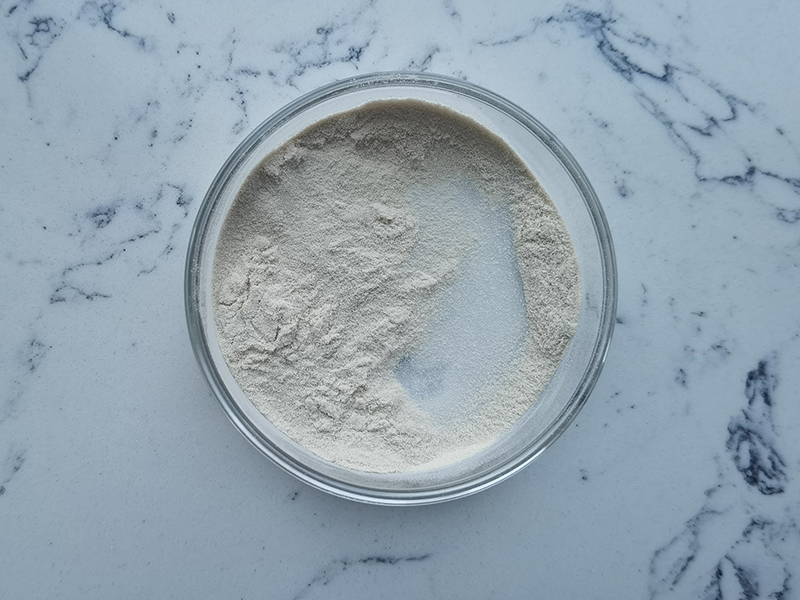
Appearance: White to off-white powder or clear solution
Formulations:
- Injectable solutions
- Topical gels and creams
- Sterile lyophilized powder
8. Stability and Handling
- Sensitive to DNase enzymes
- Degraded by strong acids, bases, and heat
- Requires sterile, controlled storage conditions
- Usually stored in buffered aqueous solutions
9. Medical and Cosmetic Use Areas
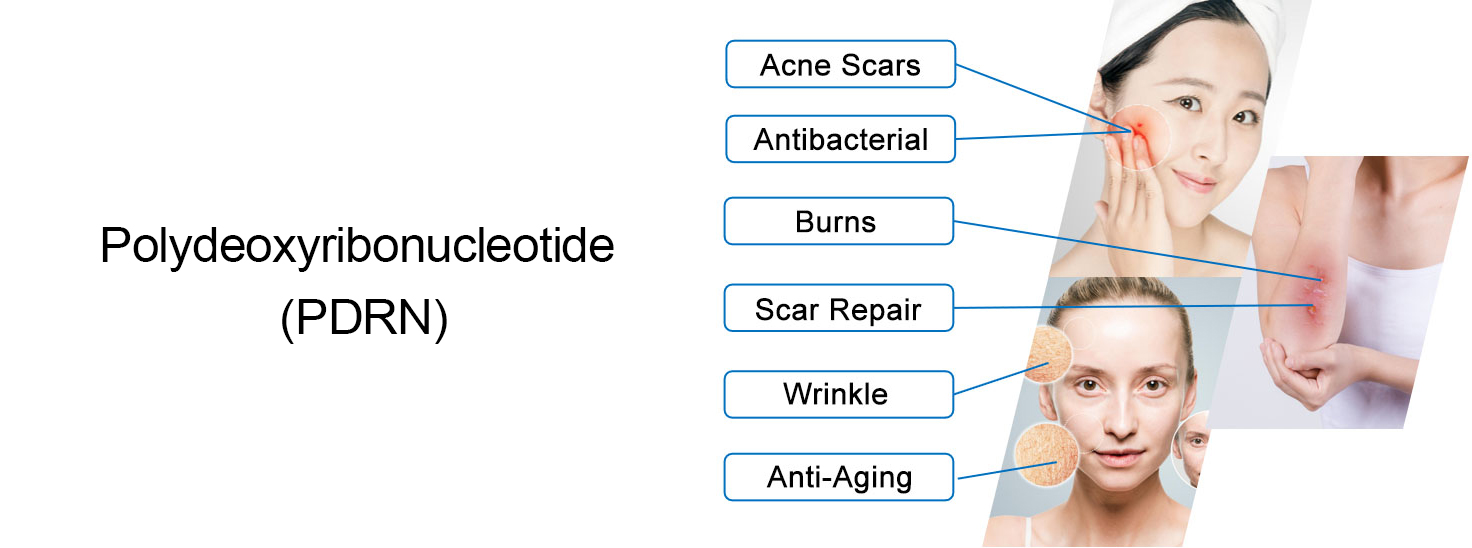
- Dermatology (skin rejuvenation, scarring)
- Aesthetic medicine (skin repair treatments)
- Wound care (burns, ulcers)
- Orthopedic and regenerative therapies (in some clinical settings)
10. Safety Overview
- Generally considered biocompatible
- Low immunogenicity due to natural DNA origin
- Degraded into normal nucleotides in the body
- Safety profile depends on formulation and medical use context