
Citrus Pectin does have potential applications in the textile and paper industries, although its use is more niche compared to its widespread role in food, pharmaceuticals, and cosmetics. Here’s a detailed breakdown:
(1)Textile Industry
Citrus Pectin can be used in textiles mainly as a natural sizing, thickening, and finishing agent:
1. Sizing Agent:
- Pectin forms a film over fibers, reducing breakage during weaving.
- It’s biodegradable and non-toxic, offering an eco-friendly alternative to synthetic sizing agents like polyvinyl alcohol or starch derivatives.
2. Thickener in Printing Pastes:
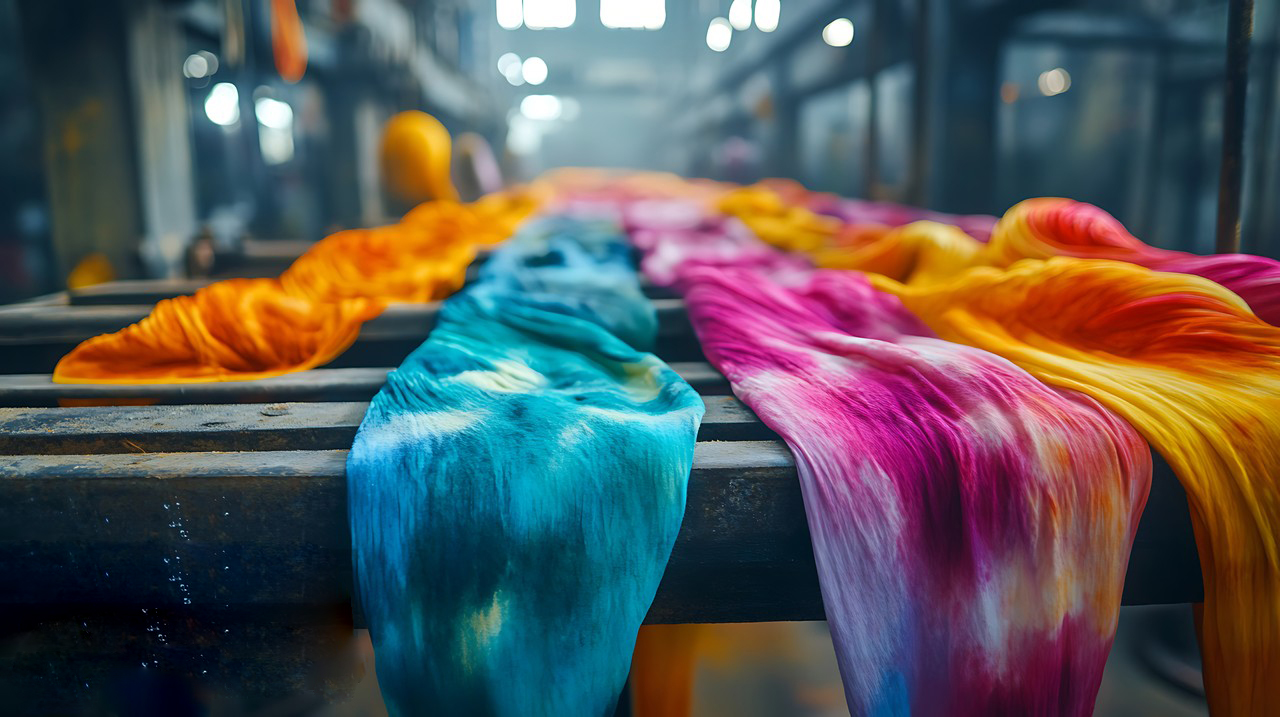
- Used in screen printing or textile printing, pectin can thicken dye pastes, improving color adherence and pattern precision.
3. Finishing and Coating:
- Pectin can be incorporated into biodegradable coatings for fabrics to impart smoothness, stiffness, or moisture retention properties.
- It can also be used in antimicrobial or functional finishes if combined with other natural compounds.
Limitation: Pectin alone lacks durability under high-temperature or harsh washing conditions, so it is often blended with other polymers or crosslinked for improved stability.
(2)Paper Industry
In paper manufacturing, Citrus Pectin can play roles as a coating, binder, or surface treatment additive:
1. Paper Coating and Surface Sizing:
- Pectin can improve surface smoothness, printability, and water resistance of paper.
- Can be used in specialty papers like packaging, tissue, or coated art paper.
2. Binder in Recycled Paper or Specialty Papers:
- Pectin can act as a natural binder to improve fiber retention and sheet strength in recycled or low-grade pulp.
3. Eco-friendly Alternative:
- Provides a biodegradable, non-toxic alternative to synthetic agents like polyacrylamides or cationic starches.
Limitation: Like in textiles, pectin’s performance under high-temperature or alkaline conditions is limited, so it’s typically modified (e.g., crosslinked or blended) for industrial use.
Summary
- Textiles: Sizing, printing thickener, finishing agent → eco-friendly alternative to synthetic chemicals.
- Paper: Coating, binder, surface treatment → biodegradable additive for specialty and recycled papers.
- Challenges: Thermal and chemical stability is lower than synthetic polymers; often needs modification.