
Ergothioneine is a naturally occurring amino acid derivative with antioxidant properties, and it’s primarily produced by certain fungi and bacteria. Here’s where it comes from and how it ends up in our diet:
Natural Sources of Ergothioneine
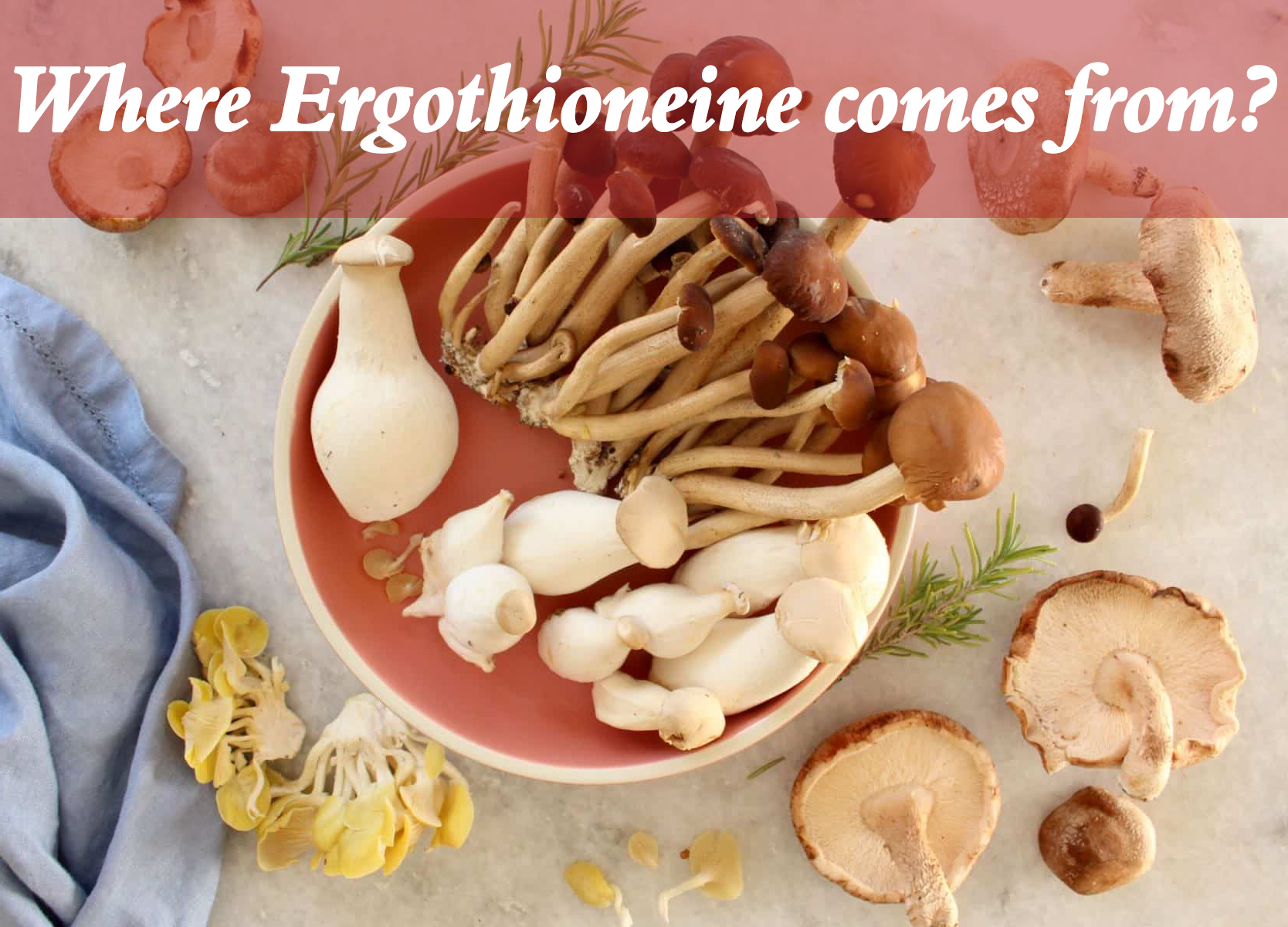
1.Mushrooms
- The richest dietary source.
- Especially high in varieties like king oyster, shiitake, maitake, and porcini.
2.Other Plant Foods
- Plants don’t produce ergothioneine themselves, but they absorb it from the soil via symbiosis with fungi.
- Some grains, beans, and vegetables may contain small amounts.
3.Animal Products
- Animals can’t synthesize it either, but Ergothioneine accumulates in their tissues when they eat plants or fungi containing it.
- Found in trace amounts in liver, kidney, and some meats.
Fun Fact
Humans have a specific transporter protein (ETT or OCTN1) for ergothioneine, suggesting it’s important for health—even though we can’t make it ourselves.
Want tips on getting more from your diet or curious about supplements?
Adverse Effects of Ergothioneine
Ergothioneine is a naturally occurring antioxidant amino acid found in various foods, especially mushrooms, and also produced by certain bacteria and fungi. It’s often marketed as a supplement for its potential anti-aging, anti-inflammatory, and cytoprotective effects.
Adverse Effects of Ergothioneine
As of current research (up to 2024), ergothioneine is considered to be very safe, with few—if any—known adverse effects, even at relatively high doses. Here’s what we know:
Generally Recognized as Safe (GRAS)
- The FDA has granted GRAS status to Ergothioneine for use in food and beverages.
- Toxicological studies have shown no significant side effects in animals or humans, even with high intake.
Potential Side Effects (Theoretical or in Isolated Studies)
- Mild gastrointestinal symptoms (e.g., bloating or discomfort) in some supplement users, though these are rare and anecdotal.
- Because it acts as an antioxidant, there’s a theoretical concern (not proven) that very high doses could interfere with reactive oxygen species needed for normal cellular signaling—though this hasn’t been shown in clinical trials.
No known major drug interactions or contraindications have been reported.
Summary
Ergothioneine appears to be very safe with minimal adverse effects, especially at doses found in food or commonly used in supplements. However, like with all supplements, long-term high-dose use hasn’t been exhaustively studied, so caution is always wise, particularly in people with preexisting conditions or those taking multiple medications.
If you’re thinking about taking it, do you want me to help check the latest studies or look at any specific condition you’re thinking of using it for?