
Citrus pectin stabilizes drinks primarily through its ability to interact with water and other molecules, forming a network that prevents separation of ingredients. Here’s a detailed breakdown:
1. Formation of a Hydrocolloid Network
Citrus pectin is a polysaccharide, meaning it’s a long chain of sugar molecules (mostly galacturonic acid).
When added to drinks, pectin molecules absorb water and swell, forming a gel-like network.
This network suspends particles (like pulp, fruit pieces, or insoluble solids) and prevents them from settling, keeping the drink uniform over time.
2. Interaction with Other Ingredients
Pectin can interact with sugars, acids, and ions (like calcium) in the beverage.
These interactions enhance viscosity and improve stability. For example:
- In acidic beverages, pectin chains form stronger associations.
- In calcium-fortified drinks, low-methoxyl pectin can form gels, stabilizing suspended particles.
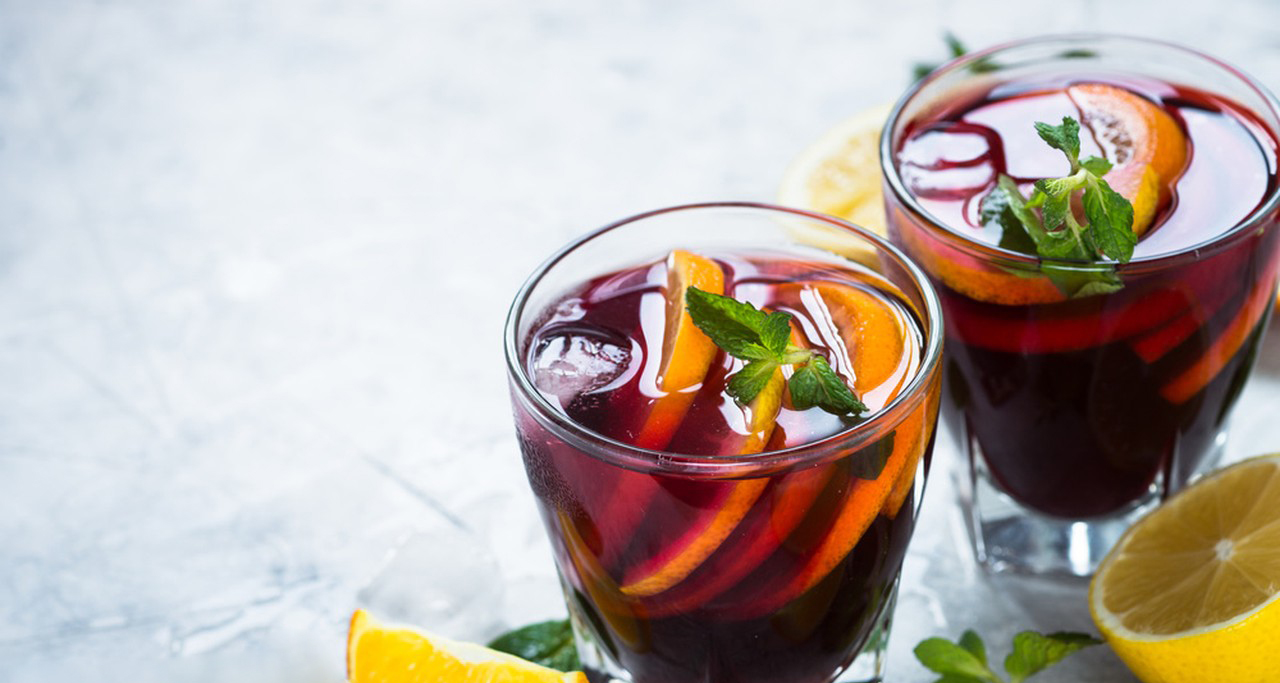
3. Emulsion Stabilization
In drinks containing oil or flavor emulsions, pectin helps prevent oil droplets from coalescing and separating.
Its surface-active properties create a thin protective layer around droplets.
4. Viscosity Modification
Even if it doesn’t form a full gel, pectin increases the liquid’s viscosity, slowing down sedimentation and enhancing mouthfeel.
Summary
Citrus pectin stabilizes drinks by:
- Forming a gel network that traps solids.
- Increasing viscosity to slow down separation.
- Interacting with sugars, acids, and minerals to strengthen the drink’s structure.
- Protecting emulsions from breaking.
Tip: The type of pectin matters:
- High-methoxyl pectin works best in sweet, acidic drinks.
- Low-methoxyl pectin works in low-sugar or calcium-fortified drinks.
If you want, I can make a simple diagram showing how pectin stabilizes a fruit juice — it’s very visual and easy to understand.
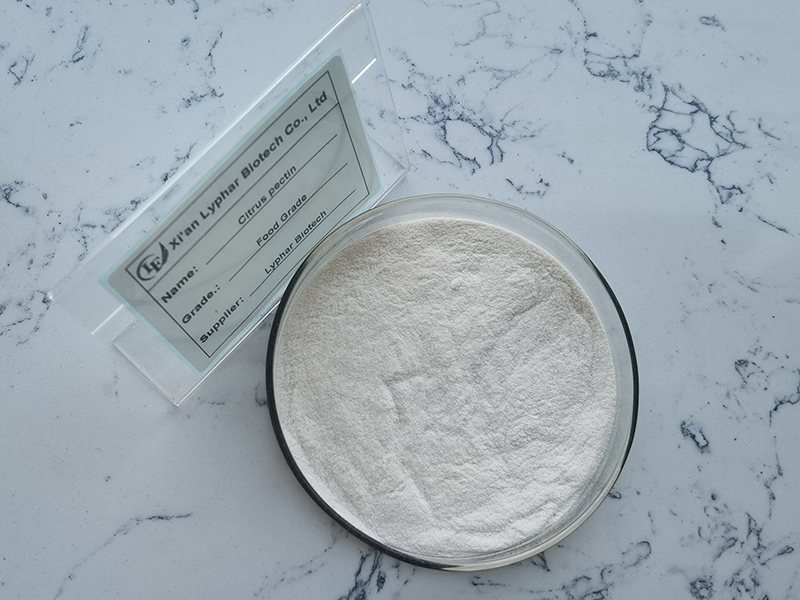
What is Citrus Pectin derived from?
Citrus pectin is a natural polysaccharide derived primarily from the peel and pulp of citrus fruits, such as oranges, lemons, limes, and grapefruits. It is extracted from the cell walls of these fruits, where it acts as a structural component, helping to bind cells together.
The extraction process usually involves:
- Peeling and grinding the fruit peel.
- Acid extraction (using mild acids like citric or hydrochloric acid) to solubilize the pectin.
- Filtration and precipitation (often with alcohol) to isolate the pectin.
- Drying to produce a powder form for industrial or dietary use.
So, in short, citrus pectin comes directly from citrus fruit residues, especially the peels that are rich in pectic substances.