
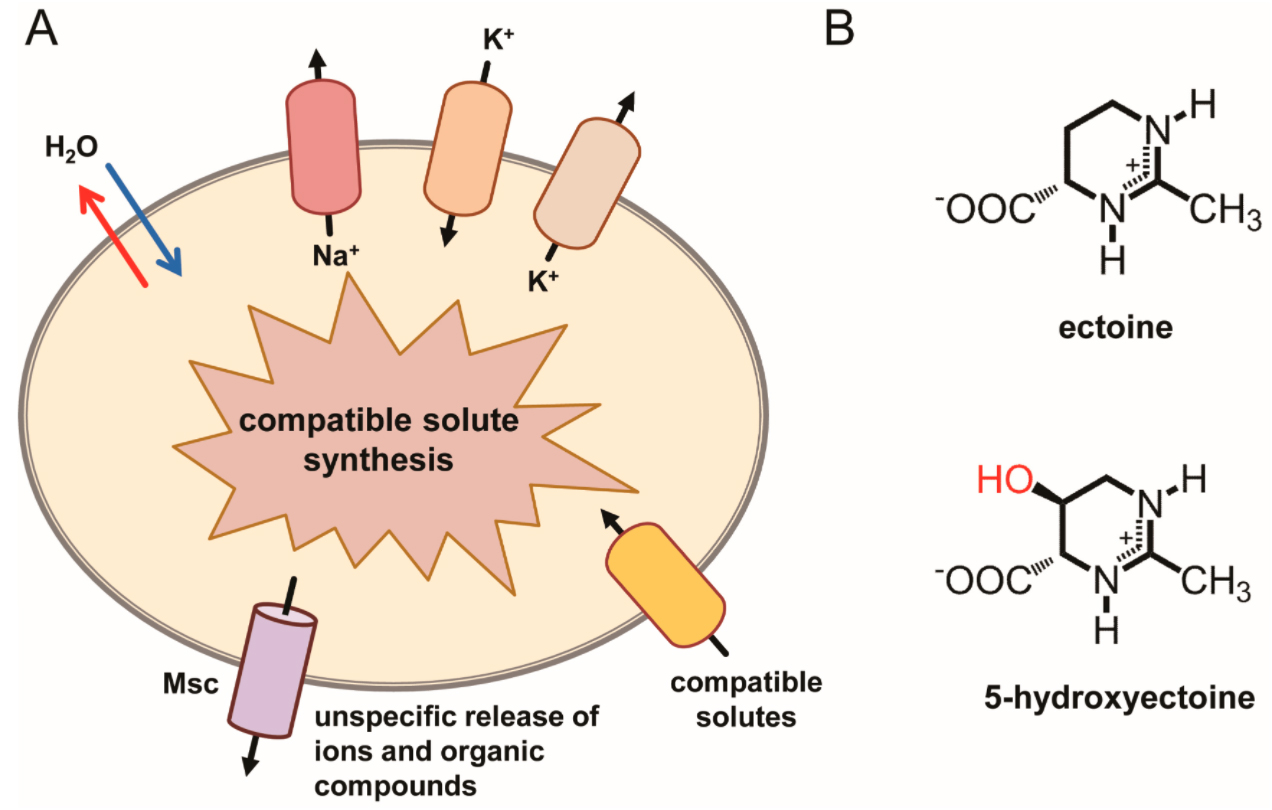
Ectoine is a naturally occurring compatible solute (or osmolyte) used by microorganisms to protect themselves against environmental stressors, such as high salinity, heat, or desiccation. Due to its stabilizing properties, it is used in various industries, including pharmaceuticals, cosmetics, and agriculture.
The industrial production of ectoine typically involves the fermentation of microorganisms that naturally produce it, particularly certain species of Halomonas, a genus of halophilic (salt-loving) bacteria. Here’s a general outline of the process:
1. Strain Selection
Industrial production starts with selecting or engineering microorganisms that are capable of producing ectoine in large quantities. Halomonas elongata is commonly used for this purpose because of its high natural ectoine production capabilities.
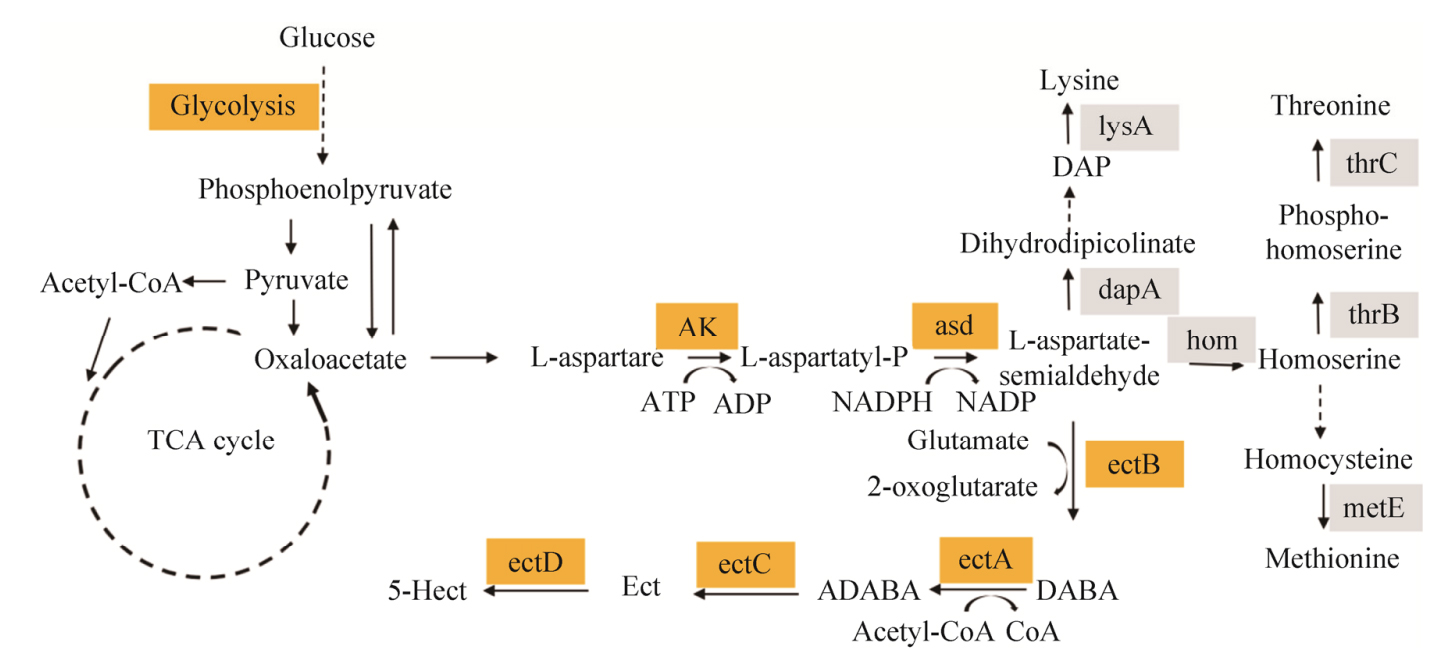
2. Fermentation Process
- Culture Medium: A nutrient-rich medium is prepared, typically consisting of sugars (such as glucose or glycerol), nitrogen sources, and salts. The medium composition can be optimized to maximize ectoine production.
- Salt Concentration: Since Ectoine is produced by halophilic organisms, high salt concentrations (typically 5-15% NaCl) are essential to mimic the natural conditions under which these organisms thrive.
- Fermentation Conditions: The fermentation is carried out under controlled conditions, typically at moderate temperatures (25-37°C), with aeration and agitation to ensure the bacteria have enough oxygen and nutrients.
- Optimization: Factors like pH, temperature, and oxygen levels are optimized for the highest yield of ectoine.
3. Harvesting Ectoine
- After the fermentation is complete, the culture broth, which contains ectoine, is harvested.
- Ectoine is typically found in the intracellular space of the microorganisms, so the cells are harvested by centrifugation or filtration.
4. Extraction and Purification
- Cell Lysis: The microbial cells are disrupted (e.g., by sonication, chemical lysis, or mechanical disruption) to release the ectoine.
- Purification: The Ectoine is then purified using techniques such as ultrafiltration, crystallization, or chromatography to isolate it from the fermentation broth.
5. Drying and Formulation
- The purified Ectoine is typically dried (using lyophilization or spray drying) to produce a powder. This form can be used directly in formulations or further processed into final products, such as creams, gels, or oral supplements.
6. Scaling Up and Commercialization
- The process is scaled up in bioreactors for large-scale production to meet commercial demand. In this phase, cost-effectiveness, yield optimization, and consistency of product quality are crucial factors.
Ectoine is valuable because of its ability to stabilize proteins, protect cells from osmotic stress, and enhance the stability of sensitive formulations. This has made it particularly important in applications like skin care (to protect the skin from environmental stress), as well as in medicine for protecting proteins and enzymes used in pharmaceutical formulations.
Would you like more detailed information about any specific aspect of this process?