
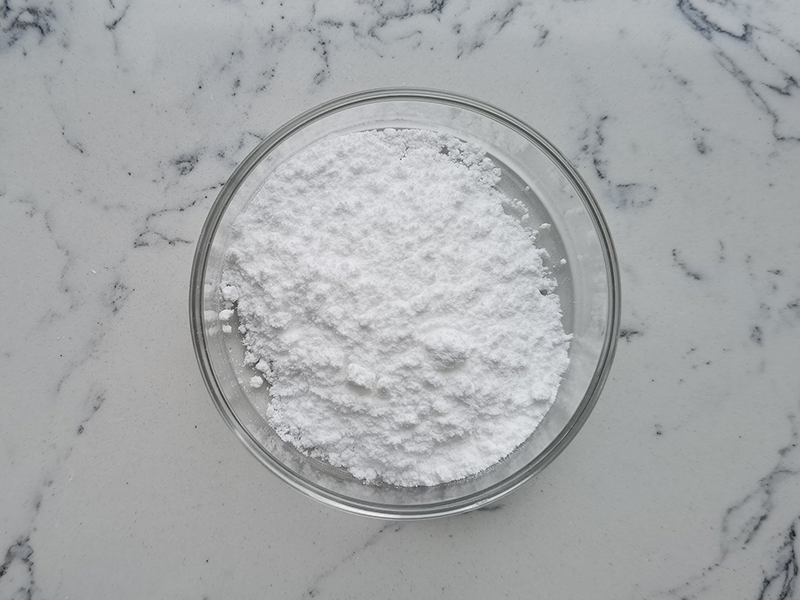
Magnesium glycinate is a compound made from magnesium and glycine, an amino acid. It is commonly used as a dietary supplement to provide magnesium, which is essential for many bodily functions. Here’s an overview of the materials and methods involved in its preparation:
Materials of Magnesium Glycinate:
1. Magnesium Source:
- Magnesium oxide or magnesium chloride are commonly used as sources of magnesium.
2. Glycine:
- An amino acid that acts as a ligand in the formation of the chelate.
3. Solvent:
- Distilled water or other suitable solvents may be used for the reaction.
4. pH Adjusters:
- Acids or bases may be required to adjust the pH for optimal reaction conditions.
Methods of Magnesium Glycinate:
1. Reaction Setup:
- The magnesium source is dissolved in water to create a magnesium solution.
2. Addition of Glycine:
- Glycine is added to the magnesium solution in a stoichiometric ratio, typically 2:1 (glycine to magnesium).
3. pH Adjustment:
- The pH of the solution is adjusted to ensure optimal conditions for the chelation reaction, often around neutral to slightly alkaline (pH 7-9).
4. Heating (Optional):
- The solution may be gently heated to facilitate the reaction, promoting the formation of magnesium glycinate.
5. Cooling and Crystallization:
- Once the reaction is complete, the solution is allowed to cool. Magnesium glycinate may then crystallize out of the solution.
6. Filtration:
- The crystals of magnesium glycinate are filtered out, washed, and dried to obtain the final product.
7. Quality Control:
- The final product is tested for purity, potency, and other quality parameters to ensure it meets safety and efficacy standards.

Considerations:
- Stability: Magnesium glycinate is generally stable, but conditions such as light and moisture can affect its quality.
- Bioavailability: Magnesium glycinate is often favored for its high bioavailability and low gastrointestinal side effects compared to other magnesium supplements.
This is a simplified overview; actual manufacturing processes may involve more complex steps and specific conditions depending on the scale and intended use.