
Matrixyl 3000 works through a cell-signaling (“matrikine”) mechanism that basically tricks skin into thinking it’s been lightly injured, so it switches on repair mode—without actual damage. Here’s the breakdown, step by step
What Matrixyl 3000 actually is
Matrixyl 3000 is a peptide complex, not a single molecule. It contains two signaling peptides:
- Palmitoyl Tripeptide-1 (Pal-GHK)
- Palmitoyl Tetrapeptide-7 (Pal-GQPR)
The palmitoyl (fatty acid) part helps the peptides penetrate the stratum corneum.
Matrikine signaling: the core mechanism
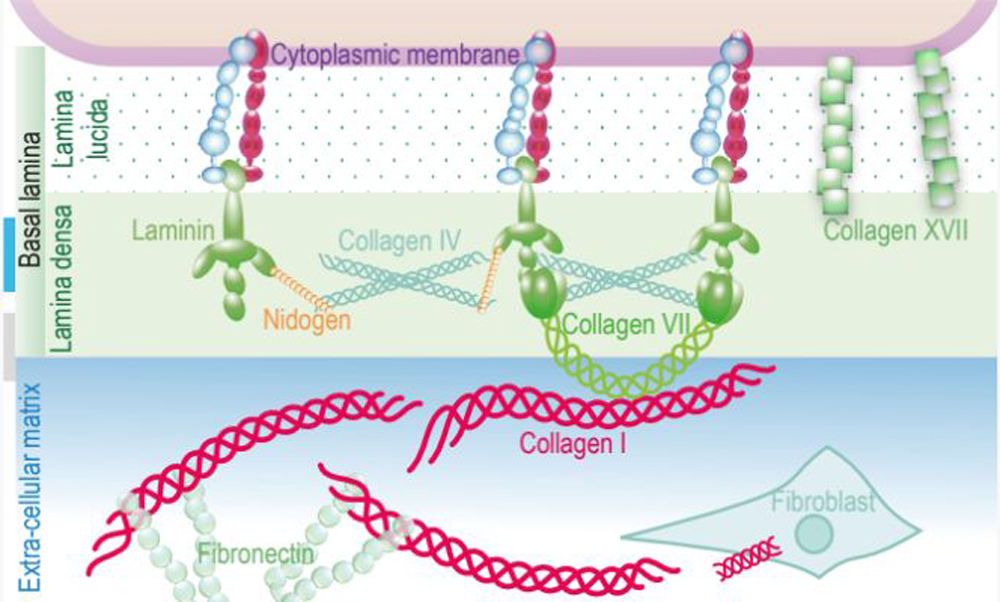
In real skin injury or collagen breakdown, small peptide fragments are released. Fibroblasts interpret these fragments as a “repair needed” signal.
Matrixyl 3000 mimics these natural fragments (matrikines) and binds to fibroblast receptors, triggering:
- Activation of fibroblasts
- Upregulation of extracellular matrix (ECM) genes
In short:
Skin thinks collagen is breaking down → Skin produces more collagen.
Stimulation of dermal matrix synthesis
Once fibroblasts are activated, Matrixyl 3000 increases synthesis of key structural components:
- Collagen types I, III, IV
- Elastin
- Fibronectin
- Hyaluronic acid
- Glycosaminoglycans (GAGs)
This improves skin density, firmness, and wrinkle depth over time.
Anti-inflammatory & anti-degradation effects
Palmitoyl Tetrapeptide-7 plays a big supporting role here:
- Downregulates pro-inflammatory cytokines (especially IL-6)
- Reduces chronic low-grade inflammation (“inflammaging”)
- Helps inhibit matrix metalloproteinases (MMPs) that break down collagen
Result: newly made collagen lasts longer.
Synergistic peptide action
The two peptides work better together than alone:
| Peptide | Main role |
| Pal-Tripeptide-1 | Stimulates collagen & ECM synthesis |
| Pal-Tetrapeptide-7 | Reduces inflammation & collagen degradation |
This synergy is why it’s called Matrixyl 3000, not just Matrixyl.
Visible outcome on skin
With consistent use (typically 4–8 weeks):
- Reduced fine lines and wrinkles
- Improved skin firmness & elasticity
- Smoother texture
- Better dermal support (especially under-eye and nasolabial areas)
How this differs from retinoids (quick comparison)
- Matrixyl 3000: signaling-based, non-irritating, repair-oriented
- Retinoids: cell-turnover based, can be irritating, more aggressive
That’s why Matrixyl 3000 is popular for sensitive skin and eye areas.
If you want, I can also:
- Compare its mechanism with Matrixyl (Pal-GHK) or Matrixyl Synthe’6
- Explain why it works well with vitamin C or niacinamide
- Translate this into formulation or clinical-study language
Just say the word