
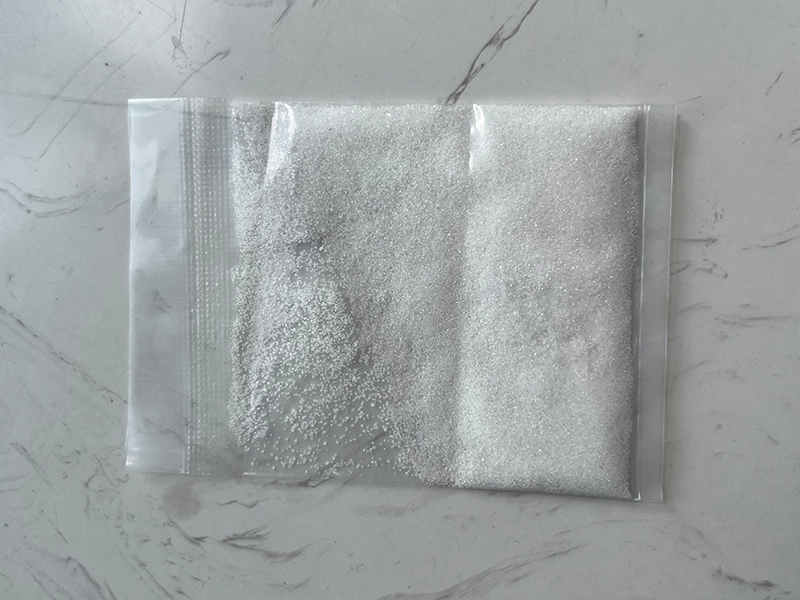
Dimethylmethoxy Chromanol (DMC) is a synthetic chromanol derivative, structurally related to the chromanol ring found in vitamin E compounds (tocopherols and tocotrienols). It is not a natural vitamin, but a laboratory-designed antioxidant molecule developed to enhance stability and biological activity.
What it is, in simple terms
- A small organic molecule built on a chromanol core
- Modified with dimethyl and methoxy groups
- Designed to act as a potent antioxidant and cell-protective agent
Key characteristics
1. Chemical nature
Chromanol-based structure (same core as vitamin E)
Added methyl (–CH₃) and methoxy (–OCH₃) substituents
These substitutions improve:
- Lipid solubility
- Oxidative stability
- Cellular membrane penetration
2. Antioxidant activity
Efficient free-radical scavenger
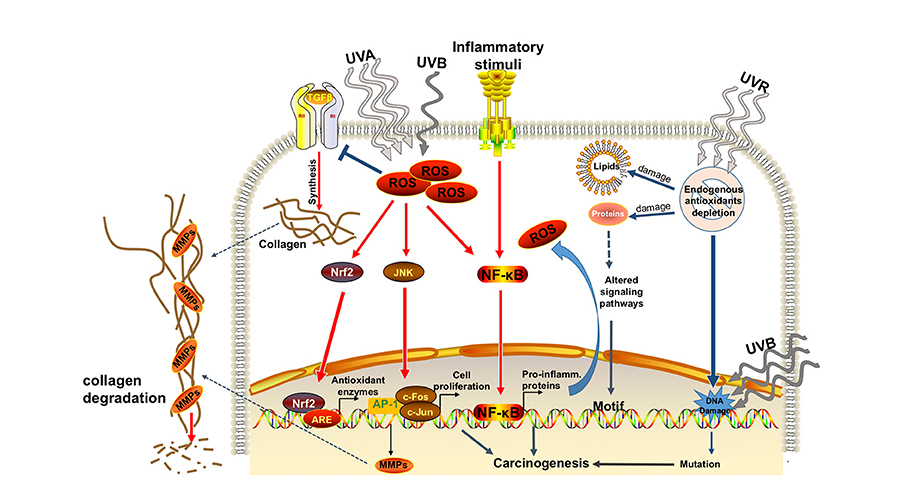
Protects lipid membranes from oxidative damage
Often shows stronger or more targeted antioxidant effects than natural tocopherols in experimental systems
3. Biological role (research context)
Dimethylmethoxy Chromanol is mainly studied for:
- Oxidative stress reduction
- Mitochondrial protection
- Anti-aging and cytoprotective effects
- Neuroprotection and metabolic research (preclinical)
Typical applications
- Biomedical research
- Pharmaceutical R&D (as a lead compound or antioxidant scaffold)
- Cosmetic science (anti-aging and skin protection research)
- Cell culture and oxidative stress models
It is not approved as a dietary supplement or drug for human consumption.
How it differs from vitamin E
| Aspect | Vitamin E (tocopherols) | Dimethylmethoxy Chromanol |
| Source | Natural (plants) | Synthetic |
| Role | Essential nutrient | Research compound |
| Stability | Moderate | Higher |
| Use | Nutrition & supplements | Laboratory & experimental |
Summary
Dimethylmethoxy Chromanol is a synthetic antioxidant derived from the chromanol structure, engineered to improve oxidative protection compared with natural vitamin E compounds. Its use is currently limited to scientific and industrial research, especially in studies involving oxidative stress, aging, and cellular protection.