
Effectiveness of Citrus Pectin
Citrus pectin is a soluble fiber extracted from the peel and pulp of citrus fruits. Its effectiveness depends on the intended use:
1. Digestive Health
- Acts as a prebiotic, promoting the growth of beneficial gut bacteria.
- Helps regulate bowel movements, easing constipation and diarrhea.
- Can help reduce symptoms of irritable bowel syndrome (IBS) in some individuals.
2. Cholesterol Management
- Binds to cholesterol in the gut, reducing absorption.
- May lower LDL (“bad”) cholesterol and total cholesterol levels.
- Effectiveness is more pronounced with higher doses and consistent use.
3. Blood Sugar Control
- Slows digestion and carbohydrate absorption, which may help stabilize blood sugar levels.
- Particularly useful for people with type 2 diabetes as part of dietary fiber intake.
4. Detoxification / Heavy Metal Chelation
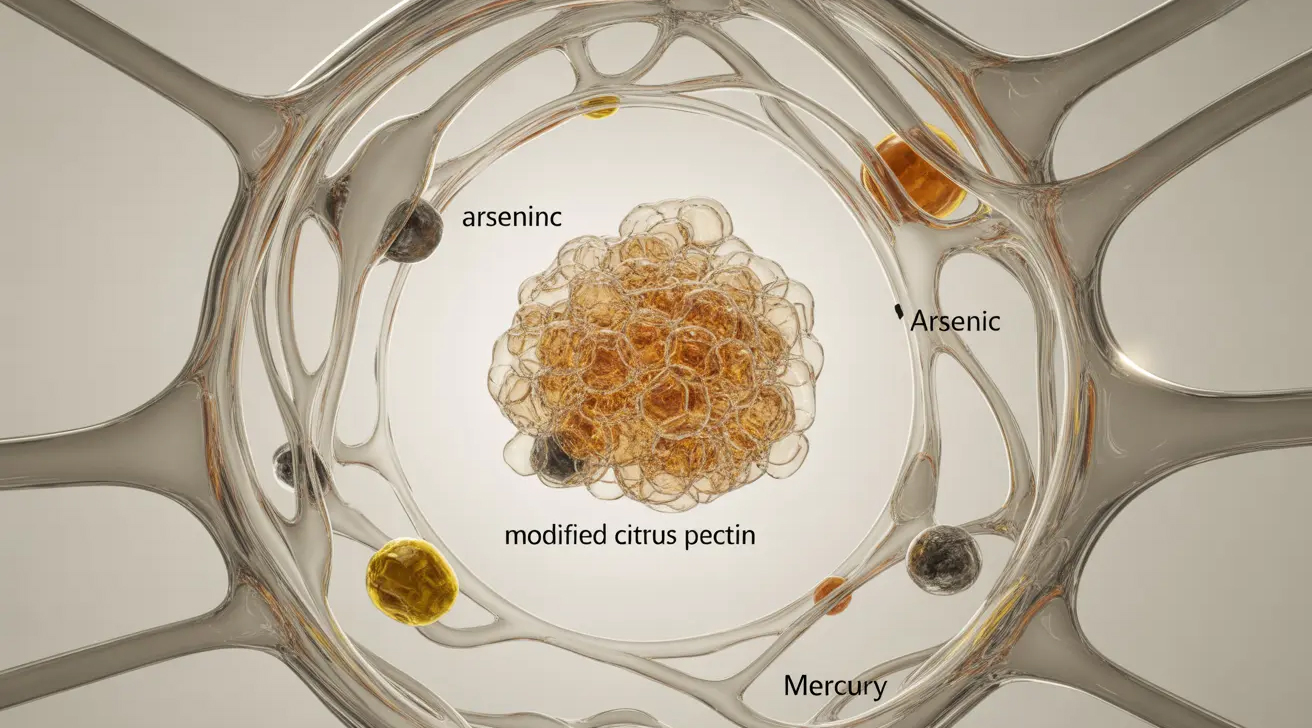
- Modified citrus pectin (MCP) has been studied for its ability to bind heavy metals (like lead, mercury) and assist in their excretion.
- Some studies suggest potential anticancer properties, mainly through inhibition of galectin-3, a protein involved in cancer progression and fibrosis.
Side Effects of Citrus Pectin
Citrus pectin is generally considered safe, but some people may experience mild side effects:
1. Gastrointestinal:
- Bloating, gas, or mild diarrhea when taken in high doses.
- Rarely, it may cause constipation if fluid intake is low.
2. Allergic Reactions:
- Rare, but people with citrus allergies should be cautious.
3. Blood Sugar Effects:
- May slightly lower blood sugar; people on diabetes medication should monitor glucose to avoid hypoglycemia.
Special Precautions of Citrus Pectin
1. Medical Conditions:
- People with gastrointestinal disorders like severe IBS or bowel obstruction should consult a doctor before use.
2. Medication Interactions:
- May interfere with absorption of certain medications (e.g., oral diabetes medications, some antibiotics). Take citrus pectin 1–2 hours before or after medications.
3. Pregnancy and Breastfeeding:
- Generally regarded as safe in dietary amounts, but high-dose supplementation should be discussed with a healthcare provider.
4. Dosage Caution:
- Most studies use 5–15 grams per day of pectin (or modified citrus pectin).
- Start with lower doses to reduce gastrointestinal discomfort.
Summary:
Citrus pectin is effective mainly as a digestive aid, cholesterol reducer, and prebiotic. Modified forms show promise in detoxification and cancer-related research. Side effects are usually mild, mostly digestive, but care should be taken with medication timing and existing health conditions.