
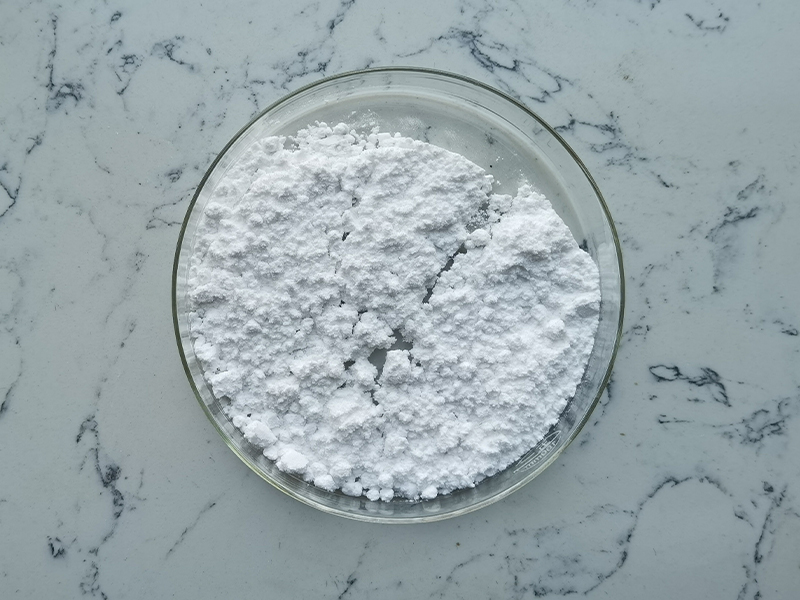
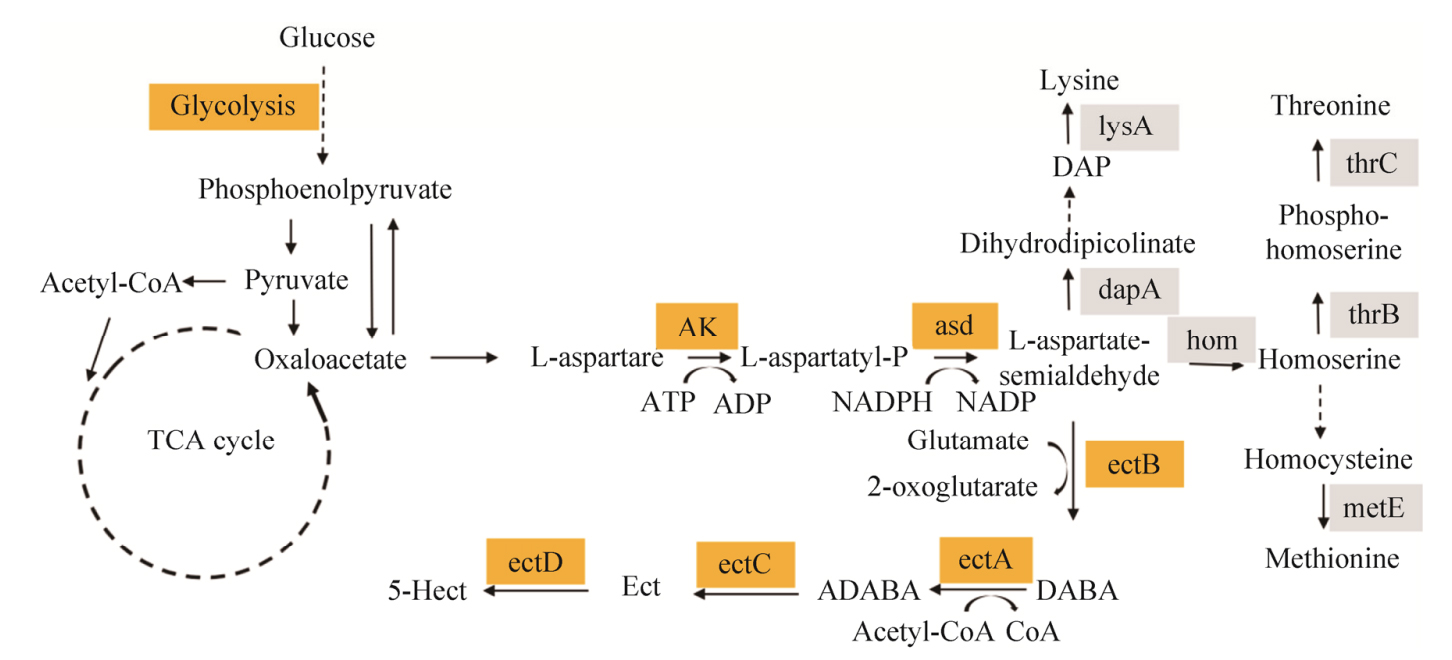
Ectoine is a natural molecule, classified as an extremolyte, that is produced by certain types of bacteria living in extreme environments — like salt lakes, deserts, or arctic ice. These bacteria create ectoine to protect themselves from stress conditions like dryness, high salinity, UV radiation, and temperature extremes.
Chemically:
- It’s a cyclic amino acid derivative (C₆H₁₀N₂O₂).
- It helps stabilize proteins, cell membranes, and other biological structures.
What Does Ectoine Do?
Ectoine acts like a microscopic “bodyguard” for cells. It creates a protective water shell around cells, which:
- Prevents dehydration
- Reduces inflammation
- Stabilizes cell membranes
- Protects DNA from UV damage
- Supports skin barrier function
Where is Ectoine Used?
It’s now widely used in skincare, medicine, and cosmetics because of its protective properties:
| Industry | Purpose of Ectoine Use |
| Skincare | Hydration, anti-aging, soothing irritation |
| Medical sprays | Treating dry eyes, allergies, or nasal dryness |
| Pharmaceuticals | Anti-inflammatory, cell protection |
| Sunscreens | UV protection support |
Benefits in Skincare
- Boosts moisture retention (similar to hyaluronic acid but more protective)
- Calms sensitive or irritated skin
- Helps protect against pollution and blue light
- Reduces redness and skin stress
- Strengthens the skin barrier
Fun Fact:
Ectoine was first discovered in 1985 in Halomonas elongata, a salt-loving bacterium from a salt lake in Egypt.
Would you like me to break down its skincare uses in more detail? Or are you curious about how it compares to ingredients like hyaluronic acid or niacinamide?
How to use Ectoine?
Ectoine is a gentle and effective skincare ingredient, often used for its soothing, hydrating, and protective properties. It’s great for sensitive, dry, irritated, or environmentally stressed skin.
How to Use Ectoine in Skincare:
It really depends on the type of product it’s in (serum, cream, toner, etc.), but here’s the general guide:
If it’s in a Serum:
→ Use after cleansing & toning, before moisturizer.
- Cleanse your face.
- Apply toner (optional).
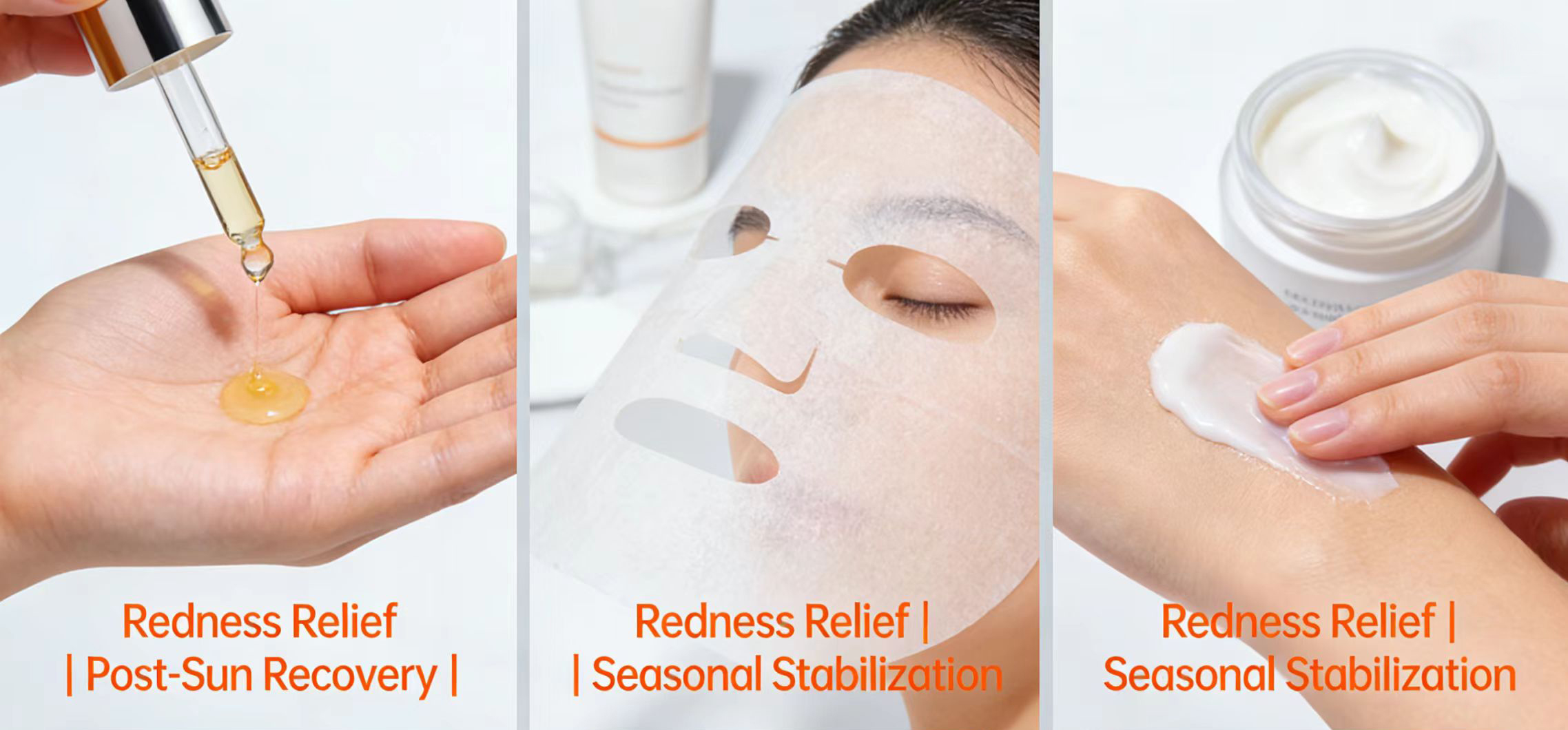
- Apply 2-3 drops of Ectoine serum to your face and neck.
- Follow with moisturizer.
- Finish with sunscreen (if AM routine).
If it’s in a Cream or Moisturizer:
→ Use as the final step in your skincare routine (except sunscreen).
- Cleanse → Tone → Serum (if any) → Ectoine Cream
- Use it AM & PM for best results.
- Sunscreen always on top (AM only).
If it’s in a Mist or Toner:
→ Use right after cleansing, or anytime during the day for hydration & soothing.
- Spray directly onto skin or onto a cotton pad.
- Pat gently.
- Follow with the rest of your skincare.
Benefits of Ectoine:
- Hydrates deeply
- Strengthens skin barrier
- Protects from pollution & blue light
- Soothes irritation & redness
- Anti-inflammatory
- Great for sensitive or eczema-prone skin
Frequency:
- Safe for daily use — AM & PM.
- Pairs well with other ingredients like hyaluronic acid, ceramides, niacinamide, and peptides.
Pro Tip:
If your skin is super sensitive, barrier-damaged, or recovering from actives like retinol or exfoliants — Ectoine is amazing to calm it down.
Do you have a specific product or formulation in mind? I can guide you better if I know whether you’re using an Ectoine serum, cream, or something else!