
Pyridoxal-5-Phosphate (PLP), Pyridoxine, and Pyridoxamine—all forms of vitamin B6, but not interchangeable in how the body uses them.
Big picture (TL;DR)
Pyridoxal-5-Phosphate = active, ready-to-use vitamin B6
Pyridoxine = common, stable supplement form that must be converted
Pyridoxamine = less common, strong in metabolic and glycation protection roles
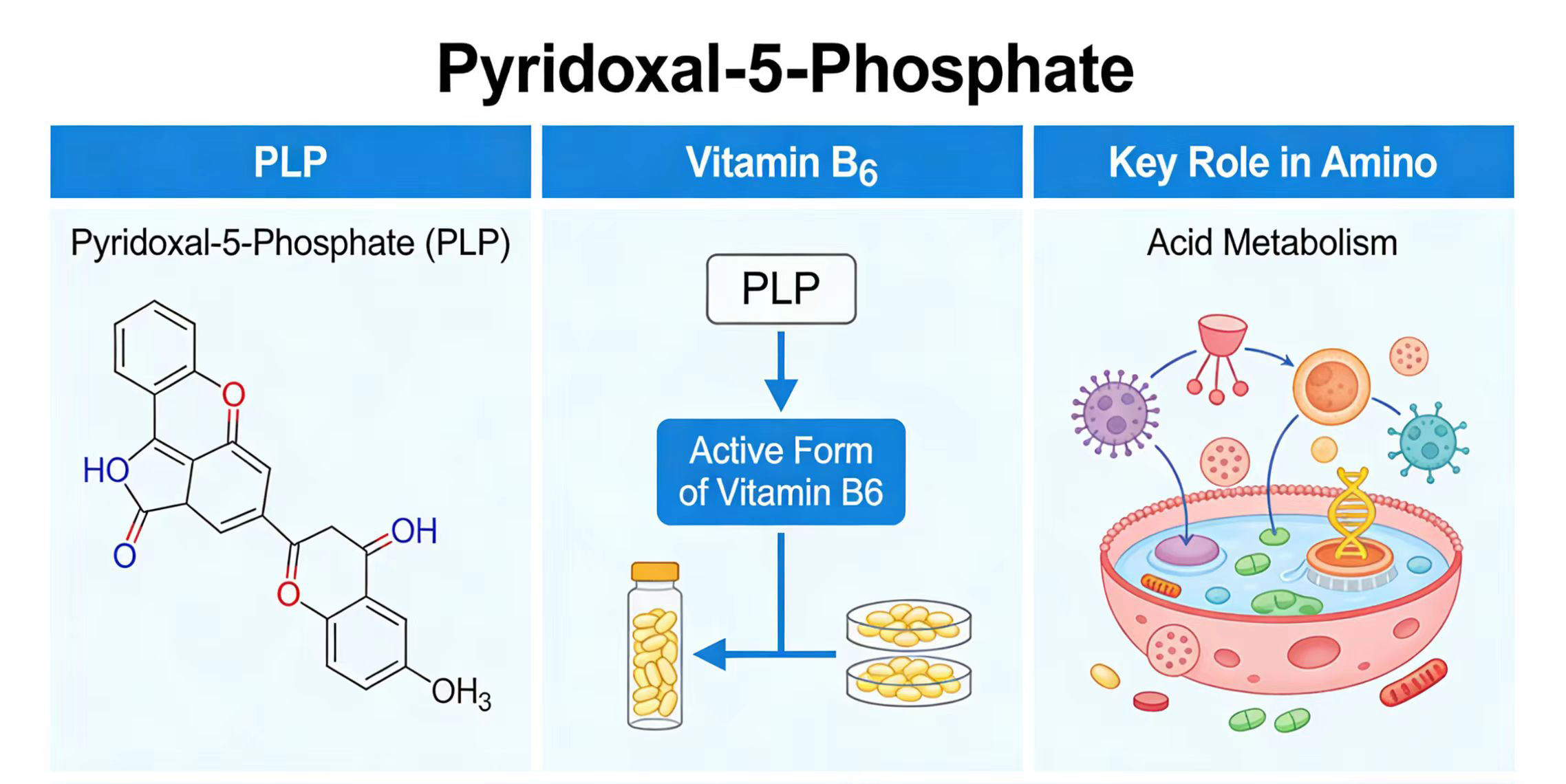
1. Pyridoxal-5-Phosphate (PLP / P-5-P)
Active coenzyme form of vitamin B6
Key features
Biologically active — no conversion required
Acts as a coenzyme in >140 enzyme reactions
Directly involved in:
- Amino acid metabolism
- Neurotransmitter synthesis (serotonin, dopamine, GABA)
- Homocysteine metabolism
- Heme (red blood cell) synthesis
Pros
✔ Best choice for people with poor B6 conversion
✔ Faster and more predictable effects
✔ Lower risk of functional deficiency
Cons
✖ Less stable
✖ More expensive
Typical uses
Neurological support
Elevated homocysteine
Certain genetic variants (e.g., impaired B6 phosphorylation)
Clinical or therapeutic settings
2. Pyridoxine (Pyridoxine HCl)
Most common synthetic form
Key features
Inactive precursor → must be converted in the liver to Pyridoxal-5-Phosphate
Highly stable and inexpensive
Widely used in supplements and fortified foods
Pros
✔ Cheap and stable
✔ Works well for most healthy individuals at low doses
Cons
✖ Requires multiple enzymatic steps to become Pyridoxal-5-Phosphate
✖ High or long-term doses can:
- Inhibit Pyridoxal-5-Phosphate-dependent enzymes
- Cause sensory neuropathy
Typical uses
General supplementation
Food fortification
Mild B6 deficiency
3. Pyridoxamine
Alternative natural B6 vitamer
Key features
Converted to Pyridoxal-5-Phosphate in vivo
Unique ability to:
- Trap reactive carbonyls
- Inhibit advanced glycation end-products (AGEs)
Pros
✔ Strong anti-glycation activity
✔ Supports glucose and lipid metabolism
✔ Lower neurotoxicity risk vs high-dose pyridoxine
Cons
✖ Less widely available
✖ Fewer standard supplements include it
Typical uses
Metabolic health research
Diabetic complications (investigational)
Anti-aging and oxidative stress contexts
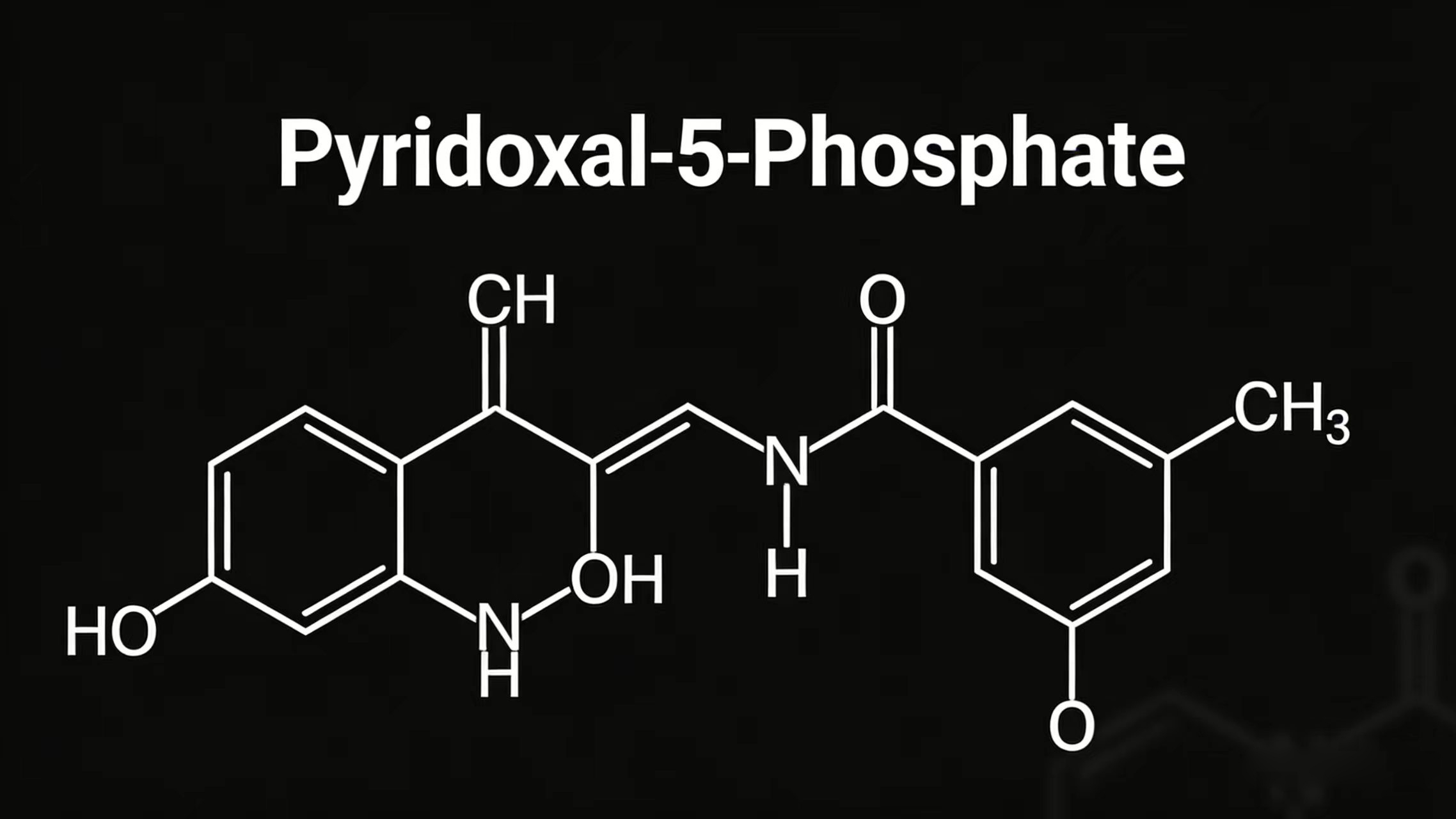
Comparison Table
| Feature | Pyridoxal-5-Phosphate | Pyridoxine | Pyridoxamine |
| Biological status | Active | Inactive precursor | Inactive precursor |
| Conversion needed | ❌ No | ✔ Yes | ✔ Yes |
| Stability | Moderate | High | Moderate |
| Cost | High | Low | Medium |
| Neurotoxicity risk | Very low | Higher at high doses | Low |
| Best for | Clinical/targeted use | General use | Metabolic protection |
Which one should you choose?
- Choose Pyridoxal-5-Phosphate if you want the most efficient and safest active form, especially for therapeutic use.
- Choose pyridoxine if you’re healthy, using low doses, and want a cost-effective option.
- Choose pyridoxamine if your focus is metabolic health, glycation control, or research-driven applications.
If you want, I can also:
- Recommend dose ranges
- Explain conversion pathways
- Compare safety profiles in long-term use
- Help choose the best form for a specific condition
Just tell me