
Hydrolyzed Sponge is a cosmetic and skincare ingredient that comes from natural sponge organisms—specifically the skeletal structures (spicules) of sponges, most often freshwater sponges such as Spongilla fragilis or similar species in the phylum Porifera.
Below are typical technical specifications of Hydrolyzed Sponge as used in cosmetic, dermatological, and functional skincare formulations. Exact values may vary slightly by manufacturer and processing method, but these ranges are widely accepted in industry practice.
1. INCI & Identification
INCI Name: Hydrolyzed Sponge
Source: Marine sponge (commonly Spongilla, Haliclona, or related species)
Function: Skin conditioning, exfoliation aid, transdermal delivery enhancer
2. Physical & Chemical Specifications
| Parameter | Specification |
| Appearance | White to off-white fine powder |
| Odor | Slight, characteristic |
| Particle Size | Typically 5–50 μm (after hydrolysis & micronization) |
| Solubility | Dispersible in water; insoluble in oils |
| pH (1–10% aqueous dispersion) | 5.0 – 7.5 |
| Bulk Density | 0.30 – 0.60 g/cm³ |
| Moisture Content | ≤ 8.0% |
| Ash Content | ≤ 5.0% |
3. Structural & Functional Characteristics
Main Components:
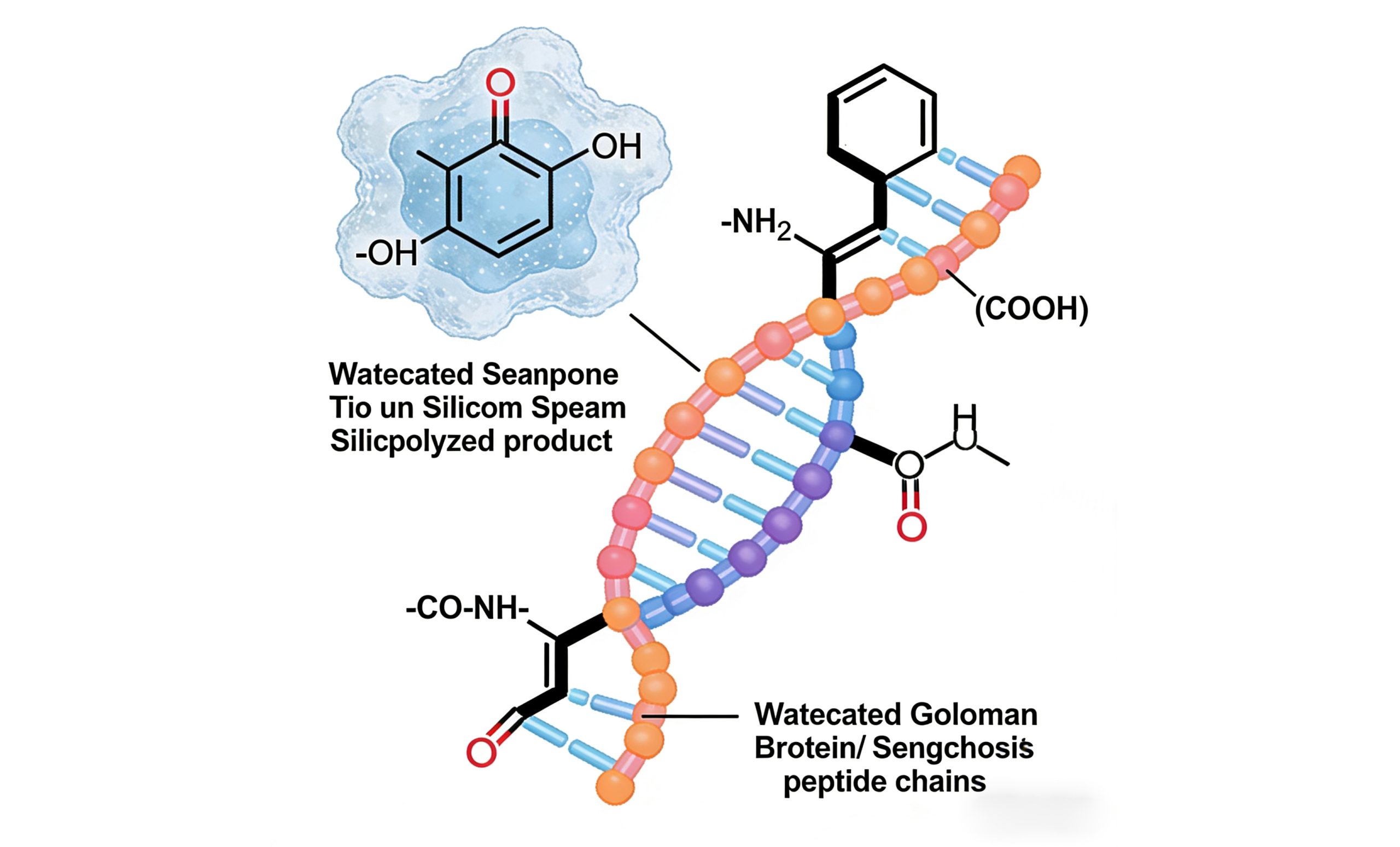
- Hydrolyzed sponge protein fragments
- Micro-needle-like silica or spicule residues (controlled)
Molecular Weight (hydrolyzed fraction):
- Broad distribution, generally 1–10 kDa
Surface Morphology:
- Microporous, irregular structure enhancing skin interaction
- Charge: Slightly negative to neutral (pH-dependent)
4. Microbiological Specifications
| Test | Limit |
| Total Plate Count | ≤ 1,000 CFU/g |
| Yeast & Mold | ≤ 100 CFU/g |
| E. coli | Not detected |
| Staphylococcus aureus | Not detected |
| Pseudomonas aeruginosa | Not detected |
5. Heavy Metals (Typical Cosmetic Grade)
| Metal | Limit |
| Lead (Pb) | ≤ 10 ppm |
| Arsenic (As) | ≤ 2 ppm |
| Mercury (Hg) | ≤ 1 ppm |
| Cadmium (Cd) | ≤ 5 ppm |
6. Recommended Usage Levels
| Application | Typical Concentration |
| Leave-on skincare | 0.05 – 0.5% |
| Rinse-off products | 0.1 – 1.0% |
| Professional peel / ampoule | 0.2 – 1.5% (controlled use) |
7. Stability & Compatibility
Thermal Stability: Stable below 60 °C
pH Stability Range: 4.5 – 7.5
Compatible With:
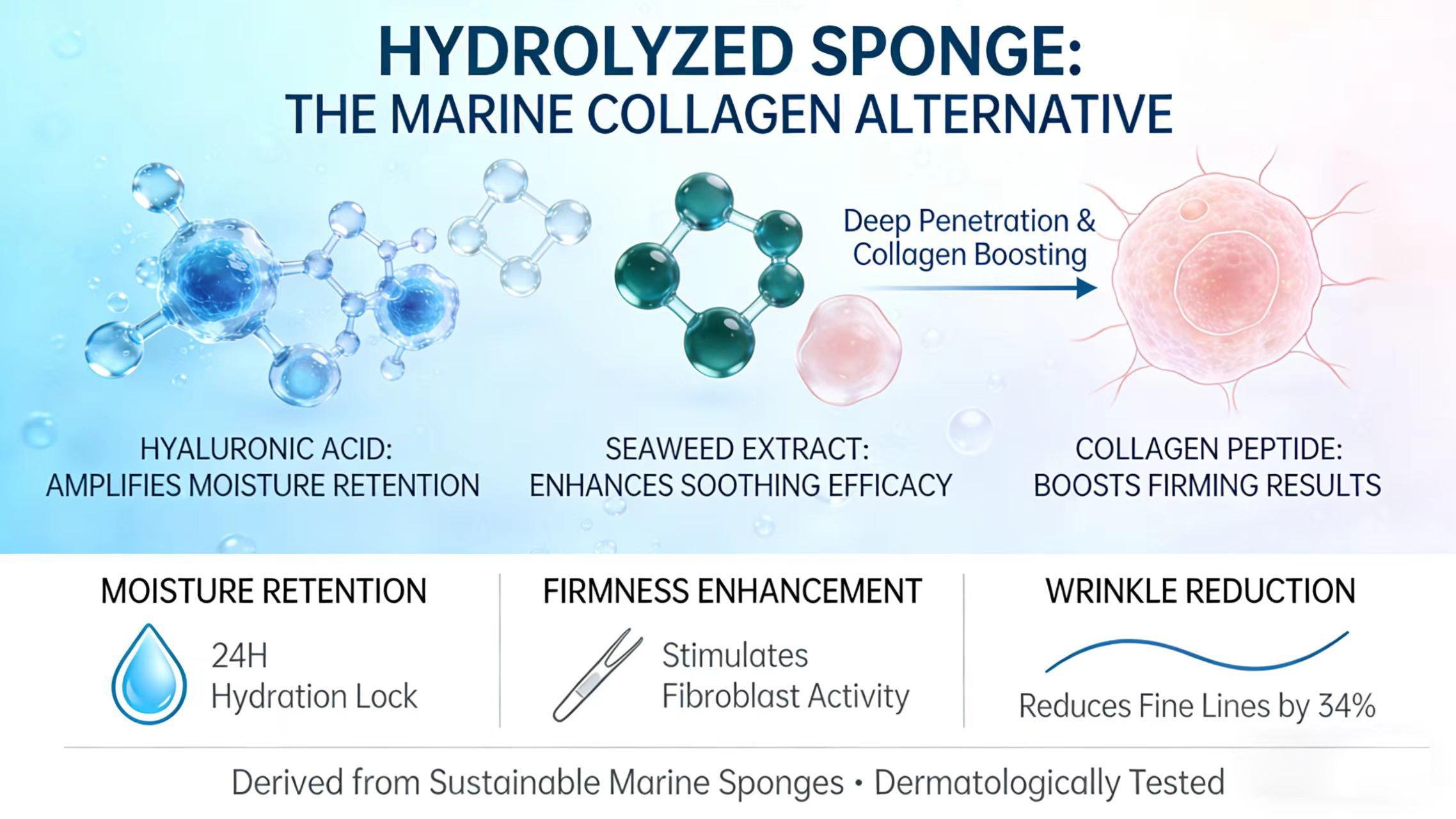
- Niacinamide
- Peptides
- Hyaluronic acid
- Vitamin C derivatives (non-acidic)
Avoid: Strong acids (pH <4), high-shear overheating
8. Storage & Shelf Life
Storage: Cool, dry place; tightly sealed
Light Sensitivity: Low
Shelf Life: 24–36 months (unopened, properly stored)
9. Regulatory Status
Cosmetic Use: Allowed in EU, USA, China, ASEAN (when compliant with safety limits)
Animal Testing: Typically available as non-animal tested (supplier-dependent)
Vegan Status: Not vegan (marine-derived)
If you want, I can also provide:
- COA template
- Cosmetic raw material TDS
- Comparison with Spicule / Sponge Spicule
- Formulation guidelines for serums or ampoules
Just tell me your use case (R&D, regulatory, marketing, or formulation).
Source of Hydrolyzed Sponge
Hydrolyzed sponge refers to a material obtained by hydrolyzing (breaking down) the body or structural parts of a sponge (a simple aquatic animal in the phylum Porifera) to produce a processed ingredient, often used in cosmetic and skin-care formulations.
Source
The raw material starts with sponges, simple multicellular aquatic animals that live in freshwater or marine environments.
These sponges produce a structural framework of siliceous spicules (tiny needle-like skeleton pieces).
Through hydrolysis (a chemical process using water, often with enzymes or mild acids), the sponge’s structural components are broken down and purified, yielding the hydrolyzed sponge ingredient used in formulations.
How It’s Made
Manufactures take the raw sponge material and subject it to hydrolysis (a chemical process using water and often acids or enzymes) that breaks down larger molecular structures into smaller fragments.
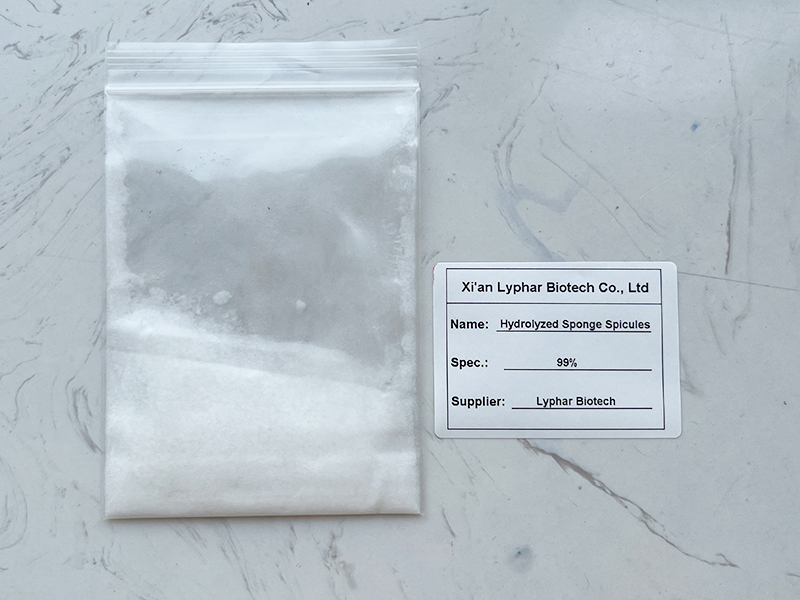
This process yields spicules – microscopic, needle-like silica or protein structures – or soluble components that can be used as a powder or extract.
Typical Uses
In cosmetics, hydrolyzed sponge is used as a skin-conditioning agent and sometimes in formulations that aim to improve microcirculation or act as a micro-exfoliant or delivery matrix.
In summary:
Hydrolyzed sponge comes from the natural bodies of freshwater or marine sponges that are chemically broken down (hydrolyzed) into smaller, functional components for use—most commonly—as an ingredient in skin-care products.