
Biotinoyl Tripeptide-1 is a synthetic peptide cosmetic ingredient made by linking biotin (vitamin B7) to a short peptide (GHK). It’s most commonly included in hair and lash products for strengthening hair and encouraging growth, and is marketed in some skincare formulas as well.
What Biotinoyl Tripeptide-1 Is
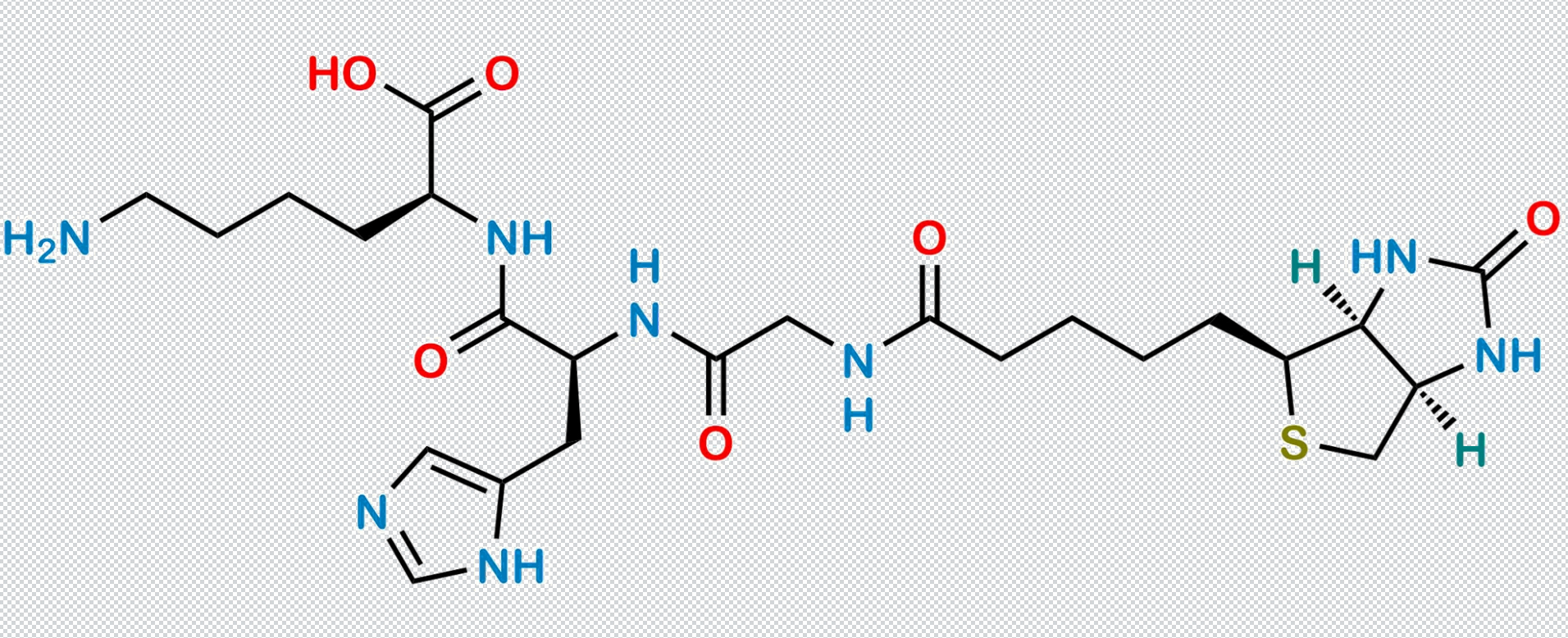
Biotinoyl Tripeptide-1 (also called Biotinyl-GHK or Biotin-GHK) is a synthetic peptide created by linking biotin (vitamin B7) to a short peptide called GHK (glycyl-histidyl-lysine). This design is intended to combine the potential cellular signaling of GHK with the keratin‑supporting effects of biotin.
Anti-Aging Claims
- The primary documented research for this ingredient focuses on hair follicle stimulation and anti-hair-loss effects (keratinocyte proliferation, basement membrane protein expression).
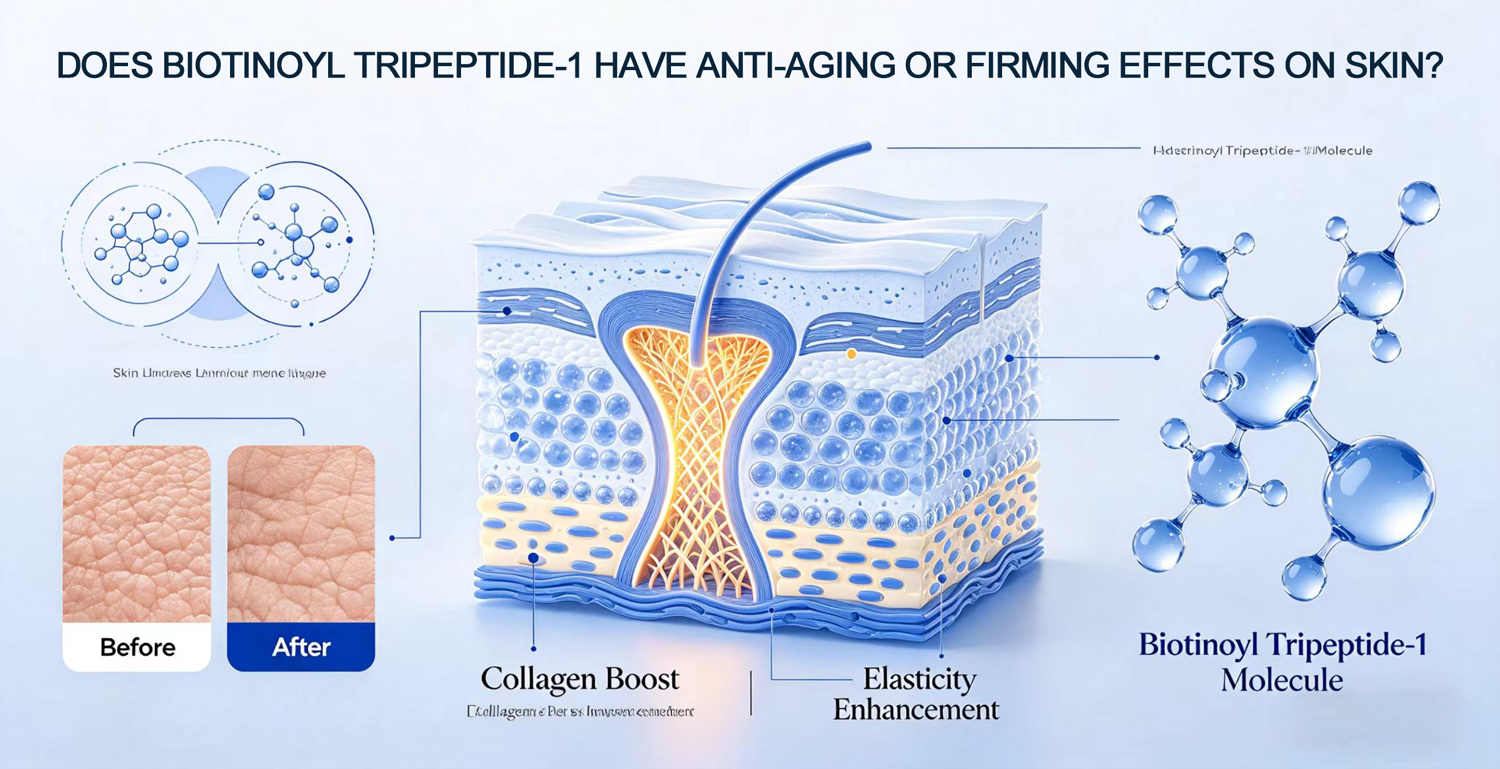
- Some cosmetic guides extend these mechanisms to anti-aging and skin rejuvenation by analogy — suggesting that stimulation of extracellular matrix components (like collagen) and cellular repair gene expression could support skin structure.
- However, robust clinical evidence showing that Biotinoyl Tripeptide-1 measurably reduces wrinkles, visibly firms skin, or improves skin elasticity on human facial skin has not been established in peer‑reviewed studies.
What the Evidence Really Supports
- Most data come from preclinical models, ex vivo follicle studies, manufacturersponsored reports, and small cosmetic studies, not large, independent trials focused on skin aging endpoints (e.g., wrinkle depth or skin firmness).
- While the GHK component (in other forms like GHK-Cu — copper tripeptide-1) is better documented for collagen stimulation and may support skin repair pathways, that doesn’t necessarily translate directly to clinical ant-aging results for Biotinoyl Tripeptide-1 specifically.
Practical Takeaway
May contribute to healthy skin signaling pathways: The peptide structure and biotin linkage could theoretically support gene expression related to cellular repair and matrix proteins.
Commonly marketed in hair and lash products: Its strongest cosmetic positioning is for hair-growth/anchoring and conditioning functions rather than proven facial anti-aging.
Not a proven firming/anti-aging ingredient on skin: There’s no strong human clinical evidence showing marked firming or wrinkle-reducing effects on the skin comparable to ingredients like retinoids or well-studied peptides (e.g., copper peptides) at this time.
Summary
| Claim | Support Level |
| Hair/follicle support & conditioning | Preliminary support |
| Stimulates some tissue repair pathways | Biological rationale, limited data |
| Clinically proven skin ant-aging / firming | Not established |