
Magnesium glycinate plays a significant role in brain function and cognitive health due to the essential roles magnesium itself has in neurological processes. Here’s a detailed breakdown:
1. Neurotransmitter Regulation
- Magnesium is critical for regulating neurotransmitters, including GABA (gamma-aminobutyric acid), glutamate, and dopamine.
- GABA: Magnesium helps activate GABA receptors, which have a calming effect on the brain. This can reduce anxiety and promote mental clarity.
- Glutamate: Magnesium blocks excessive activity at NMDA (N-methyl-D-aspartate) receptors, preventing excitotoxicity, which can damage neurons.

2. Synaptic Plasticity & Learning
- Magnesium supports synaptic plasticity, the ability of synapses to strengthen or weaken over time.
- Synaptic plasticity underlies learning and memory formation.
- Studies suggest magnesium supplementation, particularly in bioavailable forms like glycinate, may enhance long-term potentiation (LTP), a key mechanism for memory.
3. Neuroprotection
- Magnesium helps stabilize neuronal membranes and protect against oxidative stress.
- By regulating calcium influx in neurons, it prevents overexcitation that can lead to neuronal damage.
- This may reduce risk factors for neurodegenerative diseases, including Alzheimer’s and Parkinson’s.
4. Cognitive Performance
- Low magnesium levels have been associated with cognitive deficits, poor attention, and slower information processing.
- Magnesium glycinate is highly bioavailable and gentle on the gut, making it effective for raising magnesium levels and potentially improving focus, mental clarity, and executive function.
5. Mood and Stress Modulation
- Brain magnesium levels influence the hypothalamic-pituitary-adrenal (HPA) axis, which regulates stress response.
- Adequate magnesium supports resilience to stress and may reduce brain fog, anxiety, and depressive symptoms, indirectly supporting cognitive function.
6. Why Glycinate Specifically?
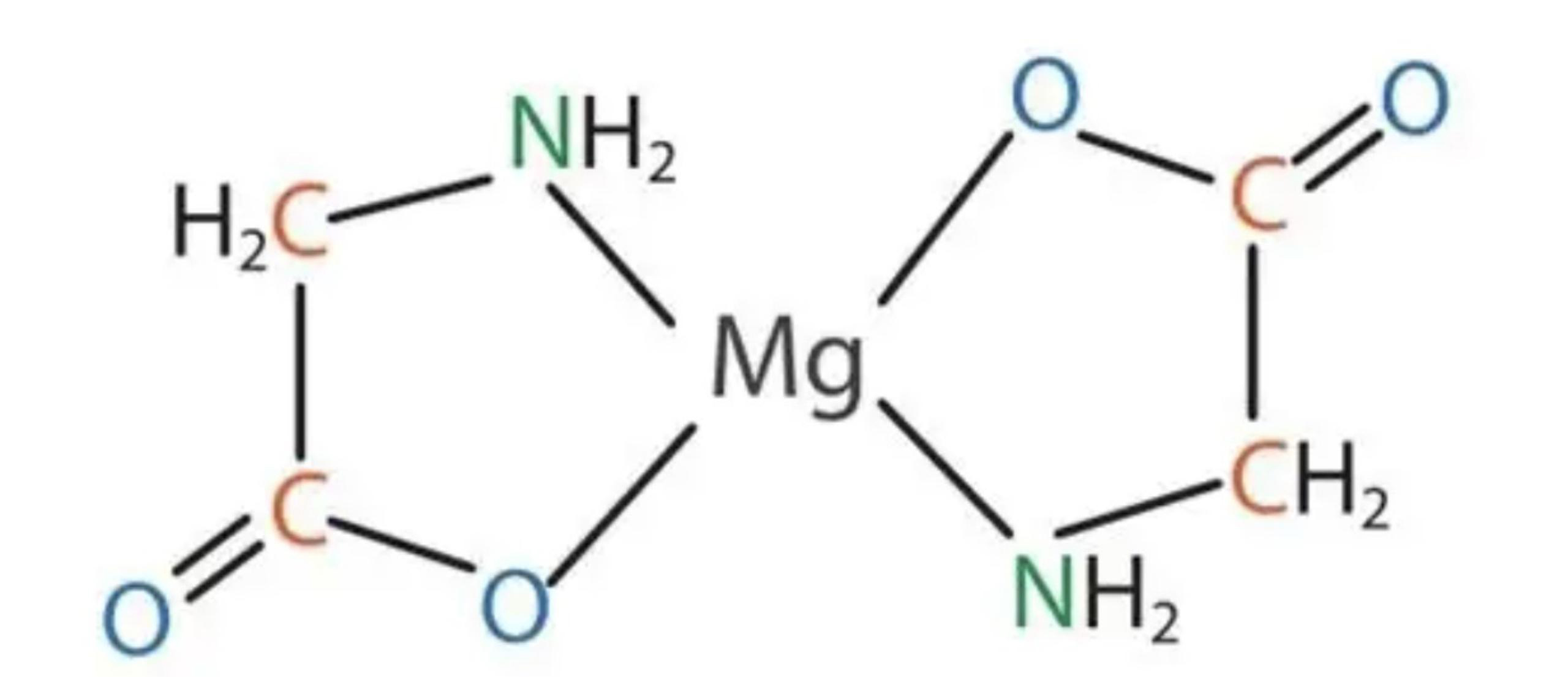
- Magnesium glycinate is bound to glycine, an amino acid that is itself neuroprotective and calming.
- Glycine can act as a neurotransmitter in the brain, enhancing the sleep-promoting and calming effects of magnesium.
- This combination makes magnesium glycinate particularly beneficial for cognitive health, learning, and memory, compared with other forms like magnesium oxide or citrate.
Summary:
Magnesium glycinate contributes to brain health by regulating neurotransmitters, supporting synaptic plasticity, protecting neurons, enhancing cognitive performance, and modulating stress. Its high absorption and calming properties make it one of the most brain-friendly magnesium supplements.