
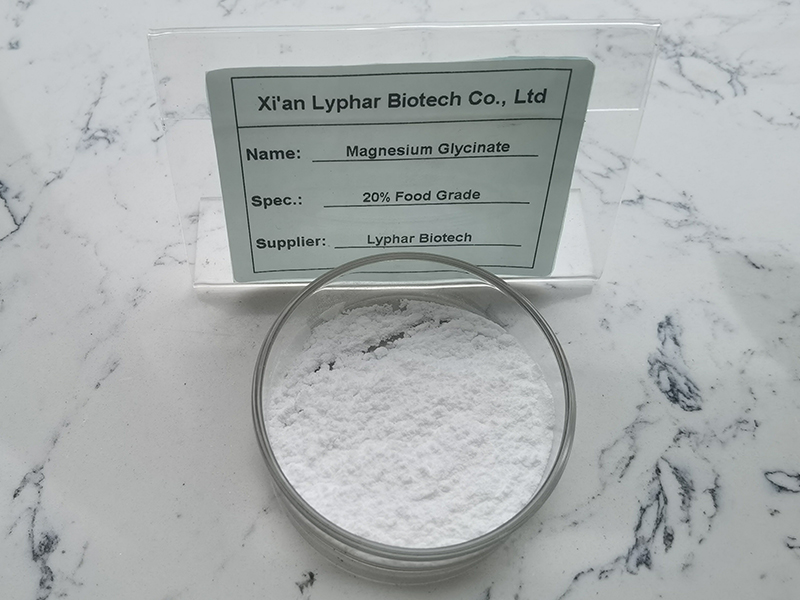
Magnesium glycinate is a dietary supplement that combines magnesium with glycine, an amino acid. This combination enhances the absorption of magnesium in the body and minimizes gastrointestinal side effects often associated with other forms of magnesium.
Processing Steps
1. Sourcing Ingredients:
- Magnesium is typically derived from magnesium oxide or magnesium carbonate.
- Glycine is an amino acid that can be sourced from various methods, including fermentation.
2. Chemical Reaction:
- Magnesium is reacted with glycine in a controlled environment to form magnesium glycinate. This reaction usually requires specific conditions, such as temperature and pH, to ensure optimal bonding.

3. Purification:
- The resulting magnesium glycinate may undergo purification processes to remove unreacted materials or by-products. This can involve filtration, crystallization, or chromatography.
4. Drying:
- After purification, the compound is dried to remove any residual moisture. This step is crucial for stability and shelf life.
5. Formulation:
- The dried magnesium glycinate can then be formulated into various dosage forms, such as capsules, tablets, or powders. This may involve mixing with excipients to improve flow properties or stability.
6. Quality Control:
- Rigorous testing is conducted to ensure that the final product meets safety, purity, and potency standards. This includes testing for contaminants, such as heavy metals or microbiological pathogens.
7. Packaging:
- Finally, the product is packaged in a way that protects it from light, moisture, and air, ensuring a longer shelf life.
Benefits of Magnesium Glycinate
- High Absorption: Due to its chelated form, it is often better absorbed than other magnesium supplements.
- Gentle on the Stomach: Less likely to cause diarrhea compared to magnesium oxide or citrate.
- Potential Therapeutic Effects: May support muscle function, nerve function, and mood regulation.
Conclusion
Magnesium glycinate is valued for its bioavailability and tolerability, making it a popular choice for those looking to increase their magnesium intake.