
Sepiwhite MSH is the trade name for Undecylenoyl Phenylalanine, a cosmetic brightening active that works by modulating the α-MSH pathway and reducing the metabolic activation of tyrosinase, thereby helping reduce excess melanin production.
1. Use the appropriate concentration
For the original Sepiwhite MSH:
- Typical recommended concentration: 2% for a dedicated brightening formulation. Seppic lists 2% as its recommended use level.
- 0.2% can be used when Sepiwhite MSH is combined with other brightening agents, particularly in the Sepiwhite MSH QD application.
- Do not assume that a higher concentration will produce better results; stay within the supplier’s recommended range.
2. Choose the right product format
Sepiwhite MSH is particularly suitable for:
- Brightening serums
- Facial creams and lotions
- Spot-correcting treatments
- Emulsions
- Toners and gels
- Products targeting uneven skin tone and hyperpigmentation
It is intended for external cosmetic use, not oral use or application of the raw powder directly to the skin.
3. Formulation is important
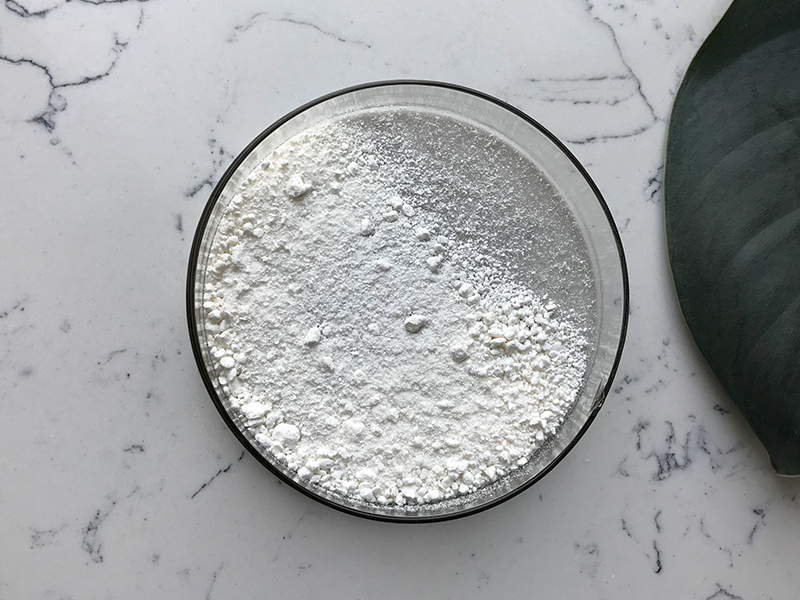
If you are making a product from the raw powder, Sepiwhite MSH has relatively specific solubility requirements.
For a typical formulation:
- Measure the required amount accurately.
- Incorporate it into the heated water or oil phase at >60°C.
- Make sure it is completely dispersed/dissolved before proceeding.
- Avoid temperatures above approximately 80°C because prolonged excessive heating is undesirable.
- Check and adjust the final pH after formulation.
Sepiwhite MSH is particularly convenient in formulations around pH ≤5 or ≥6.2. The pH 5–6.2 range is less favorable for incorporation according to formulation guidance.
4. Combine it with other brightening ingredients
For a more comprehensive pigmentation routine, Sepiwhite MSH can be paired with compatible ingredients such as:
- Niacinamide
- Alpha-arbutin
- N-acetyl glucosamine
- Kojic acid
- AHAs, such as lactic acid
- Vitamin C derivatives
Supplier formulation information specifically reports compatibility with niacinamide, arbutin, kojic acid and AHAs under appropriate pH conditions.
However, combining several potent actives can increase irritation. A formulation does not necessarily become better simply by adding more brighteners.
5. Sunscreen is essential
This is arguably the most important part of getting good results.
Use a broad-spectrum sunscreen every morning, preferably SPF 30–50+, and reapply when appropriate. UV exposure can stimulate pigmentation and undermine the results of a brightening treatment.
Sepiwhite MSH itself is reported as compatible with sunscreens, but the finished sunscreen and brightening product still need appropriate formulation and stability testing.
6. Give it sufficient time
Don’t expect permanent pigment changes after a few applications. Seppic reports clinical efficacy for reducing the visibility of dark spots and improving complexion uniformity, with some studies describing early effects within days when combined with AHAs.
For practical skincare use, evaluate the product over several weeks rather than judging it after a few days.
A practical routine
Morning
- Gentle cleanser
- Sepiwhite MSH-containing serum/cream
- Moisturizer if needed
- Broad-spectrum SPF 30–50+
Evening
- Cleanser
- Sepiwhite MSH treatment
- Moisturizer/barrier-supporting cream
If using additional exfoliating acids, introduce them gradually rather than using multiple strong actives simultaneously.
Important precaution
If you have raw Sepiwhite MSH powder, don’t simply mix the powder into an existing moisturizer and apply it. It can have poor dissolution/dispersion and form lumps or recrystallize. Proper incorporation into a tested cosmetic formulation is preferable.
Also perform a patch test with the finished product, particularly when combining Sepiwhite MSH with acids or other pigment-control ingredients.
Best overall approach: a well-formulated product containing around 2% Sepiwhite MSH, used consistently, combined with good moisturization and diligent daily sunscreen. This is generally more sensible than trying to maximize the concentration.