
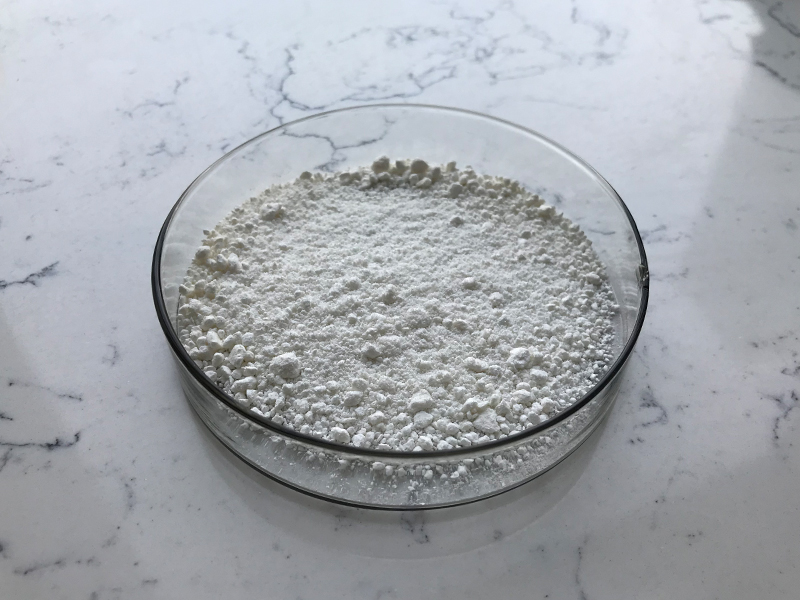
Sepiwhite MSH is the trade name used by Seppic for undecylenoyl phenylalanine, a lipoamino acid used primarily as a cosmetic brightening and anti-hyperpigmentation active. It works partly by modulating the α-MSH pathway, thereby reducing signaling involved in tyrosinase activation and melanin production.
Pros of Sepiwhite MSH
1. Targets melanogenesis
- Unlike ingredients that mainly exfoliate existing pigment, Sepiwhite MSH acts upstream by modulating α-MSH-related signaling involved in melanin production.
2. Helps reduce hyperpigmentation
- Clinical research has demonstrated improvement in facial hyperpigmentation and melasma. In one 12-week study using 2% undecylenoyl phenylalanine, 85% of participants receiving the active preparation showed at least partial improvement.
3. Useful for uneven skin tone
- It can help reduce the appearance of dark spots and promote a more uniform complexion.
4. Can complement other brightening agents
- It has a different mechanism from niacinamide. A clinical study found that 1% undecylenoyl phenylalanine combined with 5% niacinamide produced greater improvement in hyperpigmentation than niacinamide alone.
5. Suitable for long-term cosmetic formulations
- Seppic recommends Sepiwhite MSH at 2% and describes it as preservative-free, with broad cosmetic applications in facial care.
6. Generally well tolerated
- The available melasma clinical study reported mainly minor local reactions such as erythema, itching, or burning.
7. Works across different skin tones
- Seppic reports efficacy testing across several skin tones/phototypes, although these manufacturer claims should not be interpreted as equivalent to large independent clinical trials.
8. Non-hydroquinone brightening option
- It provides a pigmentation-control approach without relying on hydroquinone, making it attractive for cosmetic brightening formulations.
Cons of Sepiwhite MSH
1. Results are not immediate
- Although the manufacturer describes some rapid brightening effects in specific formulations, clinical evidence generally shows noticeable improvement over several weeks, rather than overnight.
2. Evidence base is relatively limited
- There are clinical studies supporting undecylenoyl phenylalanine, but the number and size of independent human trials are much smaller than for established ingredients such as niacinamide or hydroquinone.
3. Does not eliminate the cause of pigmentation
- UV exposure, inflammation, hormones, acne and other factors can continue stimulating pigmentation. Therefore, Sepiwhite MSH should not be considered a standalone cure for melasma or post-inflammatory hyperpigmentation.
4. Possible irritation
- Some users may experience redness, itching, burning or irritation, particularly with concentrated formulations or when combined with several other active ingredients.
5. Formulation can be challenging
- Undecylenoyl phenylalanine is a relatively lipophilic molecule, so achieving good dispersion/solubilization and consistent delivery can require careful formulation. Research has investigated lipid-carrier systems specifically to improve its skin delivery.
6. Not necessarily sufficient for severe pigmentation
- Significant or persistent melasma may require a broader dermatological treatment strategy rather than relying on a cosmetic active alone.
7. Sun protection remains essential
- Without effective daily photoprotection, UV exposure can stimulate melanogenesis and undermine the results of a brightening regimen.
8. Trade-name and raw-material concentration can cause confusion
- Sepiwhite MSH is the branded ingredient, while undecylenoyl phenylalanine is the INCI/chemical ingredient. Different commercial products may contain different concentrations or delivery systems.
Overall assessment
Sepiwhite MSH is a promising and relatively gentle cosmetic brightening active, particularly for dark spots, uneven pigmentation and melasma-prone skin. Its biggest strength is its α-MSH/melanogenesis-targeting mechanism, which complements ingredients such as niacinamide that work through other pathways. Human data support its potential effectiveness, including a controlled study of 2% undecylenoyl phenylalanine.
Its main limitations are the relatively limited clinical evidence, gradual results, possible irritation, and dependence on proper formulation and photoprotection.
Bottom line: Sepiwhite MSH is a good candidate for a pigmentation-focused cosmetic formula, but it is best viewed as one component of a comprehensive brightening strategy rather than a standalone treatment for melasma or stubborn hyperpigmentation.