
SLU-PP-332 is a synthetic estrogen-related receptor (ERR) α/β/γ agonist and experimental “exercise mimetic.” Its strongest activity is toward ERRα, a nuclear receptor that regulates mitochondrial metabolism, oxidative muscle function, and exercise-responsive gene expression. Importantly, the evidence for its efficacy is currently preclinical—mainly cell and mouse studies—not established human clinical efficacy.
1. Enhances mitochondrial function
One of its most important effects is stimulation of mitochondrial metabolism.
SLU-PP-332 activates ERR signaling and increases expression of metabolic genes such as PDK4. In skeletal-muscle cells, this was associated with:
- Increased mitochondrial respiration
- Increased mitochondrial biogenesis
- Greater oxidative metabolism
- Activation of an exercise-like transcriptional program
This provides the biochemical basis for many of its downstream effects.
2. Promotes fatty-acid oxidation
SLU-PP-332 shifts metabolism toward greater utilization of fatty acids as an energy source.
In obese mouse models, treatment increased fatty-acid oxidation and whole-body energy expenditure, which was accompanied by reduced accumulation of fat mass.
Potential significance: this makes SLU-PP-332 particularly interesting for research into obesity, metabolic syndrome and impaired energy metabolism.
3. Increases oxidative muscle capacity
In mice, SLU-PP-332 increased the proportion of type IIa oxidative skeletal-muscle fibers and increased markers associated with oxidative phosphorylation.
This suggests that the compound can make skeletal muscle more metabolically oxidative rather than simply increasing muscle size.
4. Improves exercise endurance
One of the most notable findings is an increase in exercise endurance in mice.
The researchers found that ERRα activation was particularly important for this effect. SLU-PP-332 essentially induced part of the molecular program normally associated with aerobic exercise.
This is why it is often described as an exercise mimetic—although that term should not be interpreted as meaning it can fully replace physical exercise.
5. Increases energy expenditure
SLU-PP-332 can increase whole-body energy expenditure in mouse models.
The proposed sequence is roughly:
SLU-PP-332 → ERR activation → mitochondrial gene expression ↑ → oxidative metabolism ↑ → fatty-acid oxidation ↑ → energy expenditure ↑
This metabolic remodeling may contribute to its effects on body-fat accumulation.
6. Reduces fat accumulation and obesity in animal models
In diet-induced obese and ob/ob mice, SLU-PP-332 reduced fat-mass accumulation and produced improvements in metabolic parameters.
Thus, potential research applications include:
- Obesity
- Excess adiposity
- Metabolic syndrome
- Abnormal lipid metabolism
- Insulin resistance
However, these findings should not be interpreted as evidence that SLU-PP-332 is an established human weight-loss treatment.
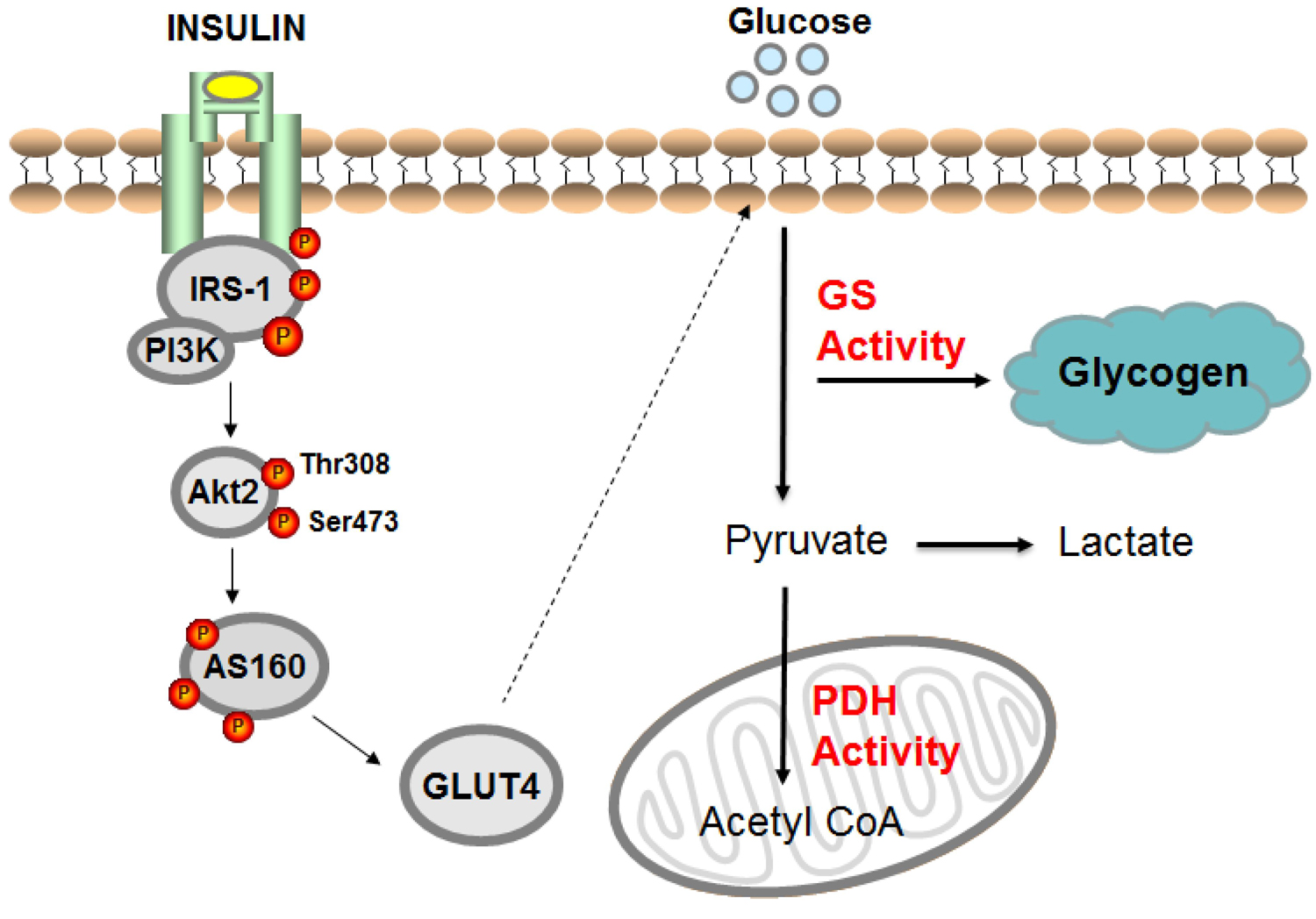
7. Improves insulin sensitivity and glucose metabolism
Animal studies have reported improved insulin sensitivity and glucose tolerance following SLU-PP-332 treatment in models of metabolic syndrome.
The effect appears to be related to the broader improvement in mitochondrial and whole-body energy metabolism rather than a conventional glucose-lowering mechanism.
8. Activates an exercise-like gene program
SLU-PP-332 can induce an ERRα-dependent acute aerobic exercise transcriptional program.
This is particularly interesting because ERRs function as important regulators of genes involved in:
- Mitochondrial metabolism
- Oxidative phosphorylation
- Fatty-acid utilization
- Muscle oxidative capacity
- Energy production
Consequently, SLU-PP-332 is useful not only as a potential therapeutic lead but also as a research tool for studying exercise biology and ERR signaling.
Summary of demonstrated/preclinical effects
| Function/effect | Evidence | Significance |
| ERRα/β/γ activation | Cell + animal | Primary molecular action |
| Mitochondrial respiration ↑ | Cell | Improves oxidative metabolism |
| Mitochondrial biogenesis ↑ | Cell | Supports energy production |
| Fatty-acid oxidation ↑ | Animal | Promotes lipid utilization |
| Energy expenditure ↑ | Animal | Potential metabolic benefit |
| Oxidative muscle fibers ↑ | Animal | Improves oxidative muscle phenotype |
| Exercise endurance ↑ | Animal | Exercise-mimetic effect |
| Fat mass ↓ | Obesity models | Potential anti-obesity application |
| Insulin sensitivity ↑ | Obesity models | Potential metabolic-syndrome application |
| Glucose tolerance ↑ | Animal | Potential glucose-metabolism benefit |
Overall, SLU-PP-332’s central function is metabolic reprogramming through ERR activation rather than acting like a conventional stimulant or anabolic agent. Its most compelling experimental effects are enhanced mitochondrial activity, increased fatty-acid oxidation, greater oxidative muscle capacity, increased energy expenditure, reduced adiposity, and improved endurance.
Important limitation: SLU-PP-332 remains an experimental compound. Recent reviews note limitations including lack of established oral bioavailability and metabolic instability, and human clinical trials are still needed to establish safety, pharmacokinetics, and efficacy.
Interestingly, 2026 research has been using the SLU-PP-332 chemical scaffold to develop more metabolically stable and drug-like ERR agonists, suggesting that SLU-PP-332 is currently serving more as a benchmark compound for next-generation exercise-mimetic drug development than as a finished medicine.