
Sodium Gualenate is a compound commonly used for its antimicrobial and anti-inflammatory properties. Here’s a comprehensive study of Sodium Gualenate (also known as guaiazulenesulfonate sodium), covering its chemistry, physical and chemical properties, mechanisms, pharmacology, applications, stability issues, and research insights.
1. Chemical Identity and Physical‑Chemical Properties
Sodium Gualenate is the sodium salt of a sulfonated guaiazulene derivative — commonly described as guaiazulene‑3‑sulfonate sodium. It is a hydrophilic, blue to dark‑blue crystalline solids with the following baseline attributes:
CAS Number: 6223‑35‑4
Molecular Formula: C₁₅H₁₇NaO₃S
Molecular Weight: 300.35 g/mol
Appearance: Blue/dark blue crystalline powder
Melting Point: ~98 °C
Solubility:
- DMSO: ~30–60 mg/mL
- Water: ~18 mg/mL
- Ethanol: low solubility
(solubilities vary with condition)
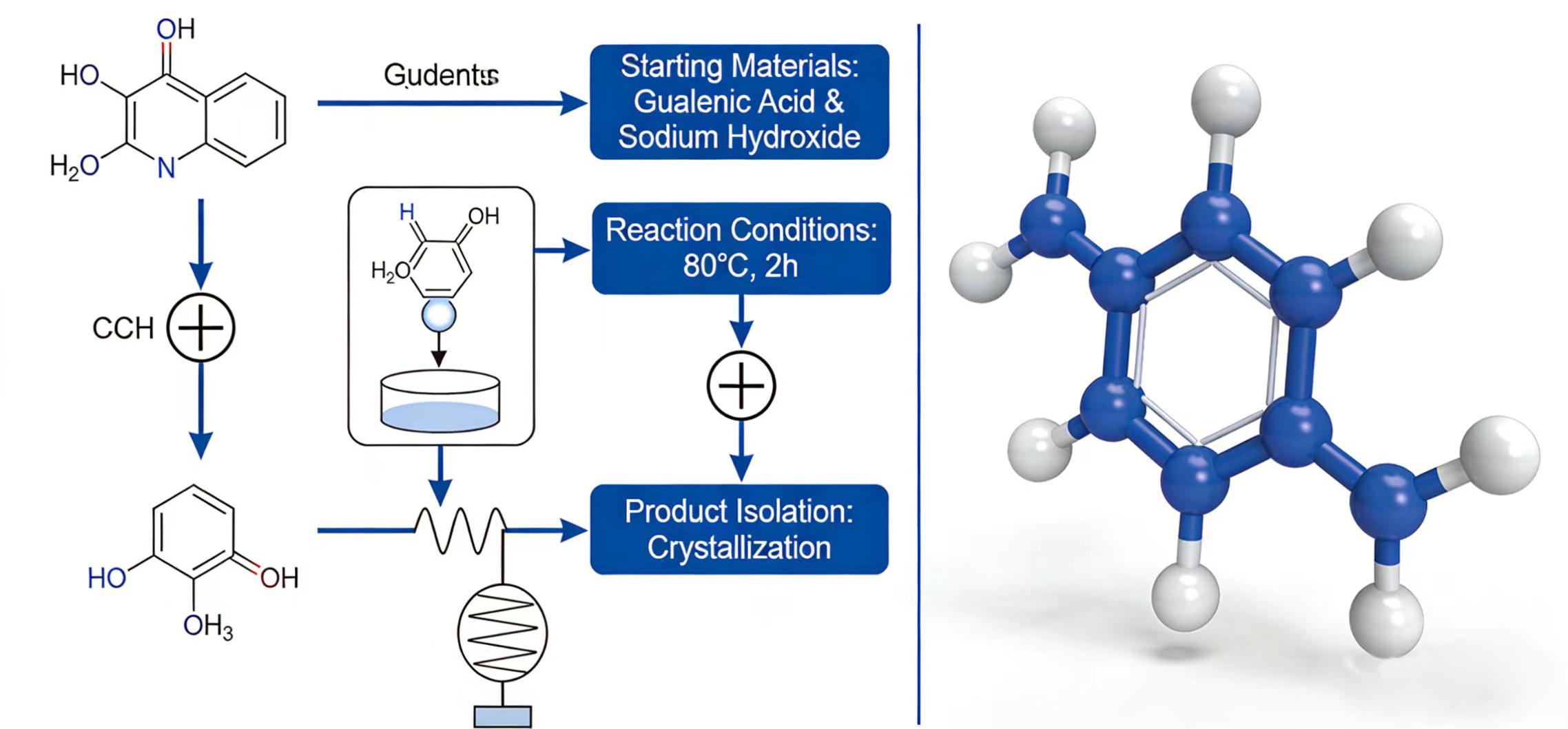
Structural Features: Features an azulene ring system (a non‑benzenoid aromatic framework) bearing sulfonate and alkyl substitutions, making it more water‑soluble than parent azulene.
2. Stability and Handling
Sodium Gualenate is chemically unstable under normal conditions:
- It can degrade in air and light, leading to loss of its sulfonate group and decomposition over time.
- Stability improves when formulated with stabilizers such as cornstarch or stored in inert atmospheres at low temperatures (e.g., –20 °C).
- Typical research handling protocols recommend minimizing heat and light exposure to retain integrity.
3. Mechanism of Action and Pharmacological Effects
While Sodium Gualenate itself isn’t widely covered in core pharmacological textbooks, multiple research and supplier reports summarize its biological behavior. Key mechanisms include:
Anti‑Inflammatory and Cytoprotective Actions
- Histamine release inhibition: It slightly inhibits the release of histamine from mast cells, reducing immediate inflammatory responses.
- Leukocyte migration suppression: Strongly inhibits leukocyte emigration — a central step in inflammation extension.
- Cytoprotection: Enhances mucosal defense mechanisms in the gastric lining, leading to improved healing and protection against irritants such as pepsin.
- Prostaglandin modulation: Some research suggests increases in Prostaglandin E₂ in mucosa, supporting granulation and epithelial regeneration.
- Antioxidant potential: May neutralize free radicals, decreasing oxidative stress associated with inflammation and tissue injury.
Overall, these effects contribute to reduced inflammation and enhanced healing in mucosal tissues.
4. Therapeutic and Research Applications
Clinical/Research Use:
Although marketed for research only (not approved as a therapeutic drug in many countries), Sodium Gualenate has been used in investigations and formulations related to:
A. Gastrointestinal Conditions
- Treatment models for duodenal ulcers, gastric ulcers, and gastritis due to its anti‑inflammatory and cytoprotective activities.
B. Mucosal Protection
- Studies indicate it strengthens mucosal defenses, supports epithelial regeneration and can reduce mucosal injury from pepsin and other irritants.
C. Research Development
- Used in pharmacological research to explore inflammatory pathways and anti‑ulcer pharmacotherapies.
- Investigated in derivative synthesis programs aiming to optimize anti‑inflammatory properties.
D. Cosmetic/Topical Uses (Emerging)
- Some biochemical suppliers suggest potential applications in skin repair and reduction of irritation due to anti‑inflammatory and anti‑allergic effects, though rigorous clinical validation is limited.
5. Molecular Insights and Mechanistic Biology
The azulene scaffold — the core structure of Sodium Gualenate — influences its bioactivity:
- The azulene ring’s non‑benzenoid aromaticity and electron distribution contribute to its ability to interact with inflammatory mediators.
- It may modulate immune transcription factors like NF‑κB, leading to downregulation of pro‑inflammatory cytokines such as TNF‑α and certain interleukins.
- Antioxidant effects potentially arise from the compound’s ability to scavenge reactive oxygen species (ROS) formed during inflammation.
These mechanisms distinguish it from classical anti‑inflammatory drugs, which often act primarily on cyclooxygenase pathways.
6. Safety and Regulatory Considerations
- Research‑use only: Commercial products emphasize Sodium Gualenate is for research, not direct human therapeutic use.
- Handling precautions: Like many biochemical reagents, it should be handled with proper protective equipment; safety data sheets (SDS) document irritant classifications.
- Limited regulated medical use: In some regions, derivatives of azulene have been included in topical or pharmaceutical agents due to anti‑inflammatory properties, but formal drug approvals may vary.
Summary
| Aspect | Key Points |
| Chemical Nature | Sodium salt of a water‑soluble guaiazulene derivative (CAS 6223‑35‑4) |
| Mechanisms | Anti‑inflammatory, cytoprotective, antioxidant actions |
| Applications | Research on gastric ulcers, mucosal protection, and inflammatory modulation |
| Stability | Unstable; decomposes under heat/light; needs careful storage |
| Safety | Laboratory chemical; not approved therapeutic agent |
If you’d like, I can also provide synthetic pathways, analytical characterization data (NMR, IR, MS), or comparative pharmacology with similar anti-inflammatory compounds.