
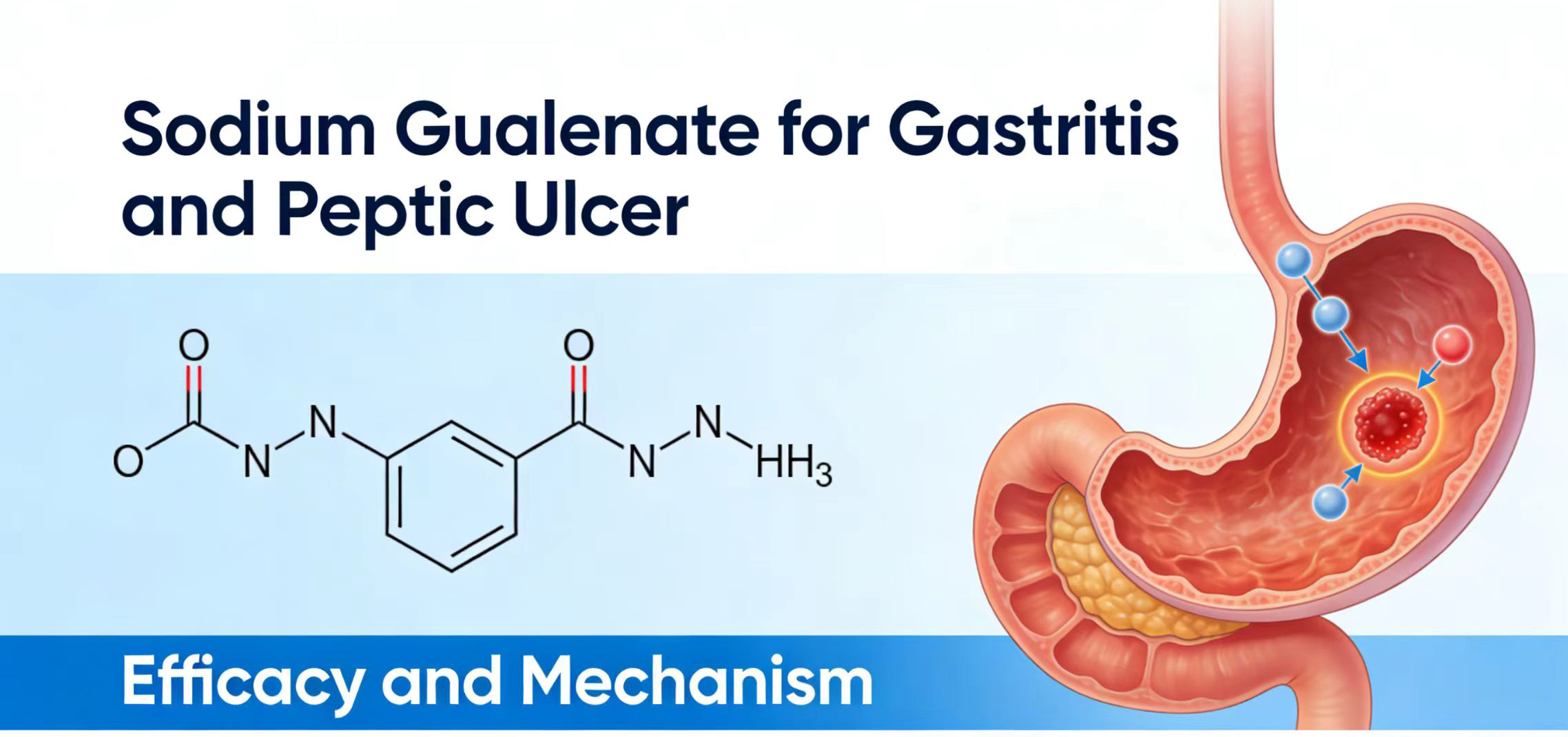
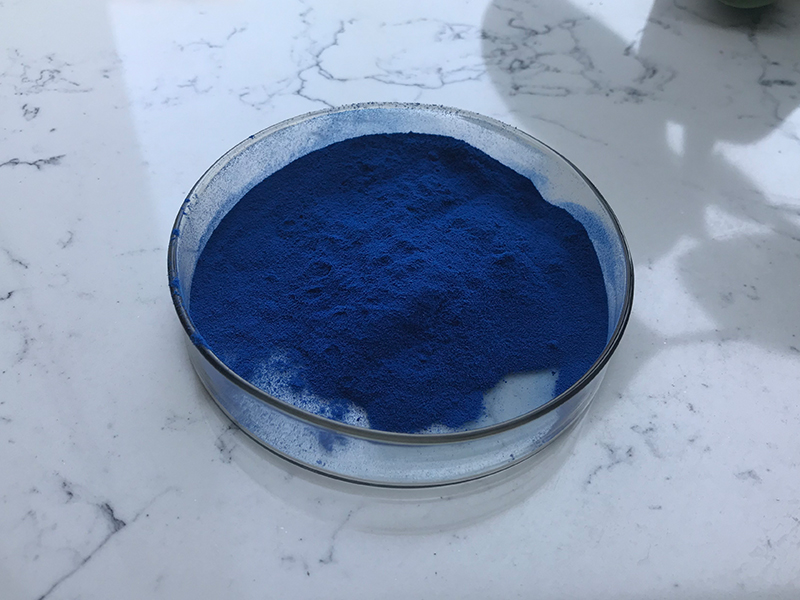
Sodium Gualenate, is a derivative of guaiazulene (a blue-violet compound from chamomile and some essential oils). Here’s a detailed overview of Sodium Gualenate in relation to gastritis and gastric ulcer treatment:
1. Mechanism of Action
Sodium Gualenate is primarily a cytoprotective agent for the gastric mucosa. Its protective effects work through several mechanisms:
- Mucosal Protection: It adheres to ulcerated or inflamed gastric tissue, forming a protective barrier against gastric acid and pepsin.
- Stimulation of Mucus and Bicarbonate Secretion: Enhances the gastric mucosa’s natural defenses.
- Anti-inflammatory Effects: Reduces local inflammation in the gastric lining.
- Promotes Healing: Helps in the regeneration of gastric epithelial cells, accelerating ulcer repair.
2. Benefits
- Protects gastric mucosa without significantly altering gastric acid secretion.
- Generally well tolerated, suitable for long-term use in chronic gastritis.
- Helps reduce ulcer pain and prevents recurrence.
3. Administration
- Usually administered orally in tablet or granule form.
- Dosage and duration depend on the severity of gastritis or ulcer, often 2–4 weeks for acute conditions and longer for chronic cases.
- Should be taken before meals for maximal mucosal protection.
4. Indications
Sodium Gualenate is commonly used for:
- Acute and chronic gastritis (especially erosive gastritis)
- Gastric and duodenal ulcers
- Prevention of NSAID-induced gastric damage
- Supportive therapy in functional dyspepsia
It’s often used in combination with acid-suppressive drugs like proton pump inhibitors (PPIs) or H2 blockers for enhanced healing.
5. Precautions & Side Effects
Side effects: Rare, may include mild constipation or diarrhea.
Precautions:
- Avoid in patients with known hypersensitivity.
- Not a substitute for treatment of H. pylori infection; combination therapy is needed if infection is present.
Generally considered safe in long-term therapy for ulcer prevention.
6. Clinical Evidence
Studies indicate that Sodium Gualenate can:
- Accelerate healing of gastric ulcers compared to placebo.
- Reduce gastritis symptoms like epigastric pain, nausea, and discomfort.
- Lower the risk of NSAID-induced gastric lesions when used prophylactically.
If you want, I can make a side-by-side comparison of Sodium Gualenate vs. Sucralfate for gastritis and gastric ulcers—it helps visualize efficacy, safety, and mechanism differences. This is often useful for clinical decision-making.
Do you want me to make that comparison?