
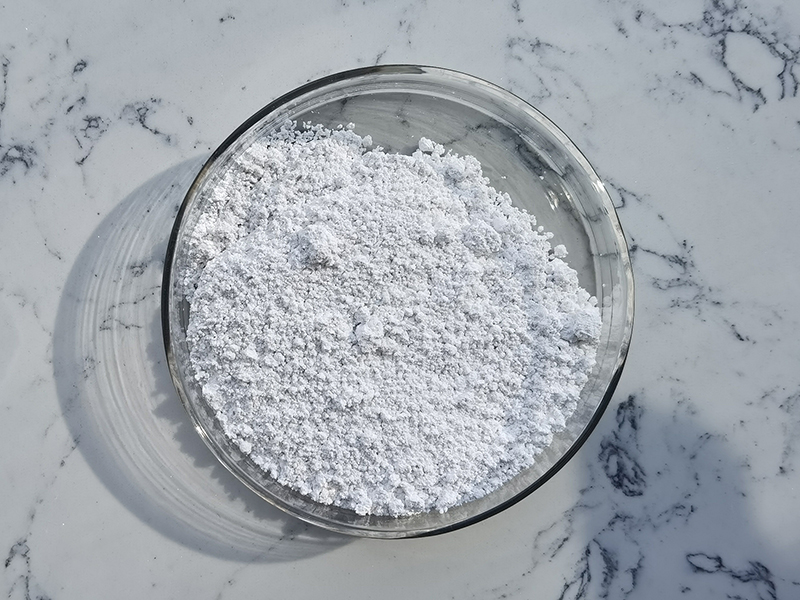
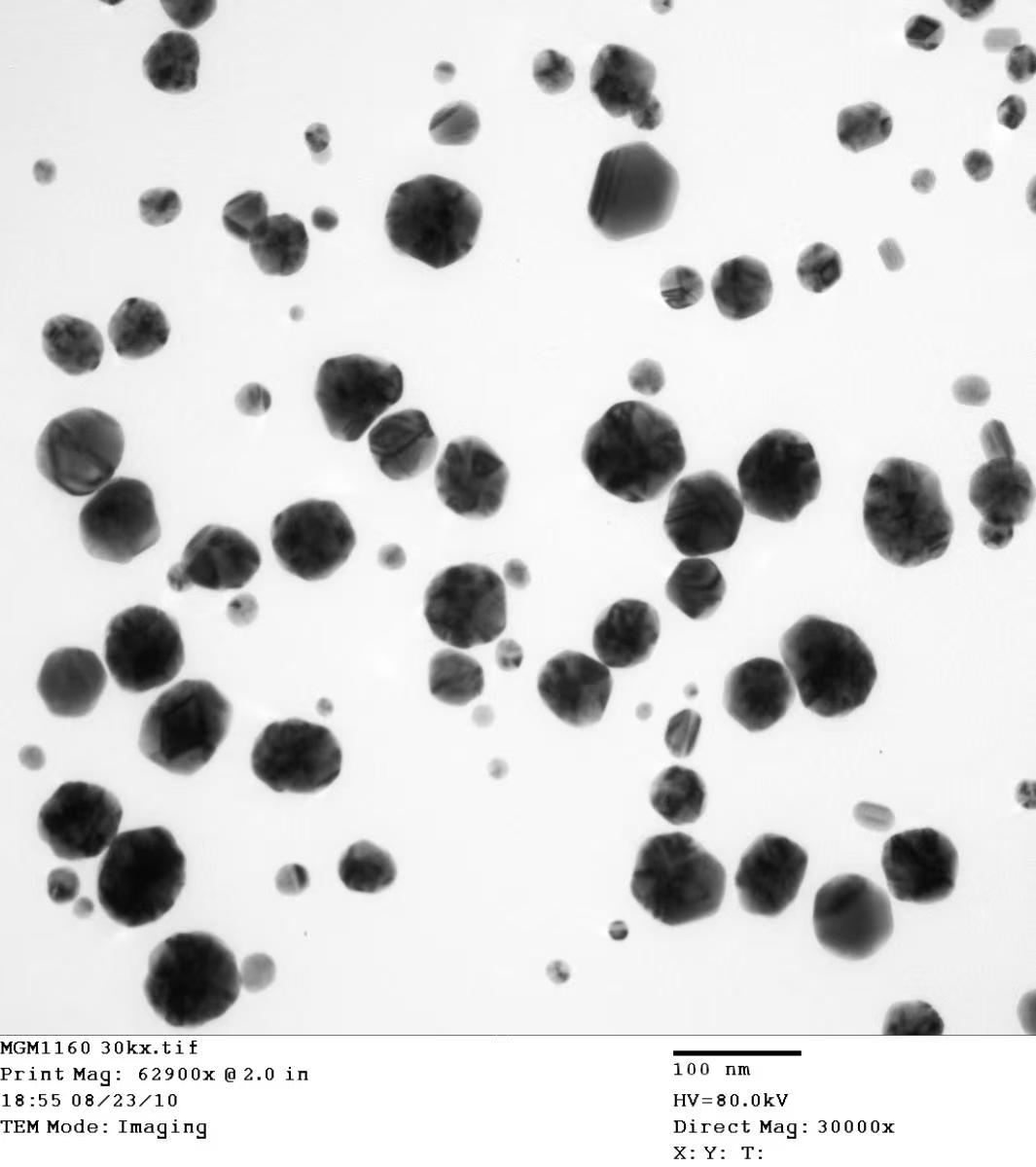
Nano Silver refers to silver particles with a size typically between 1 and 100 nanometers (nm). At this scale, silver exhibits unique physical, chemical, and biological properties compared to bulk silver. Its nanoscale size gives it a large surface area-to-volume ratio, enhancing its reactivity and interactions with microorganisms.
Chemical and Physical Properties
- Chemical formula: Ag
- Particle size: 1–100 nm
- Shape: Spherical (most common), rods, cubes, triangular plates
- Color: Yellowish-brown in colloidal solution (due to surface plasmon resonance)
- High surface area-to-volume ratio
- Strong surface reactivity
A key property of Nano Silver is localized surface plasmon resonance (LSPR), which gives it distinctive optical characteristics useful in sensing and imaging applications.
Unique Characteristics
Compared to bulk silver, Nano Silver has:
- Enhanced antibacterial and antimicrobial activity
- Improved catalytic efficiency
- Strong electrical conductivity
- Optical tunability depending on size and shape
- Increased chemical reactivity
Mechanism of Antimicrobial Action
Nano Silver exerts antimicrobial effects by:
- Releasing Ag⁺ ions
- Disrupting bacterial cell membranes
- Generating reactive oxygen species (ROS)
- Interacting with DNA and proteins inside microorganisms
These mechanisms make it effective against a broad spectrum of bacteria, fungi, and some viruses.
Methods of Synthesis
Nano Silver can be synthesized through:
- Chemical reduction methods (most common)
- Physical methods (laser ablation, evaporation–condensation)
- Biological/green synthesis using plant extracts or microorganisms
Major Applications
Nano Silver is widely used in:
- Medical devices and wound dressings
- Antibacterial coatings
- Textiles
- Food packaging
- Water purification
- Cosmetics
- Electronics and conductive inks
Safety and Considerations
While Nano Silver is highly effective as an antimicrobial agent, concerns include:
- Potential cytotoxicity at high concentrations
- Environmental accumulation
- Development of microbial resistance (rare but studied)
Proper dosage control and regulatory compliance are important for safe application.
If you would like, I can also provide a technical version (for research papers) or a simplified version (for general audiences).