
Polydeoxyribonucleotide (PDRN) plays a supportive, regulatory, and repair-amplifying role in human cells rather than acting as a genetic information carrier.
Its core role can be understood as a “tissue repair signaling substrate” that activates endogenous healing pathways.
1. Fundamental role: extracellular repair signaling molecule
Polydeoxyribonucleotide (PDRN) primarily works outside cells (extracellular matrix space), where it is:
- enzymatically broken into nucleotides
- converted into purine/pyrimidine salvage substrates
- used to trigger adenosine-mediated repair signaling
Core idea:
Polydeoxyribonucleotide (PDRN) is not “used as DNA,” but as a signal-generating nucleotide reservoir.
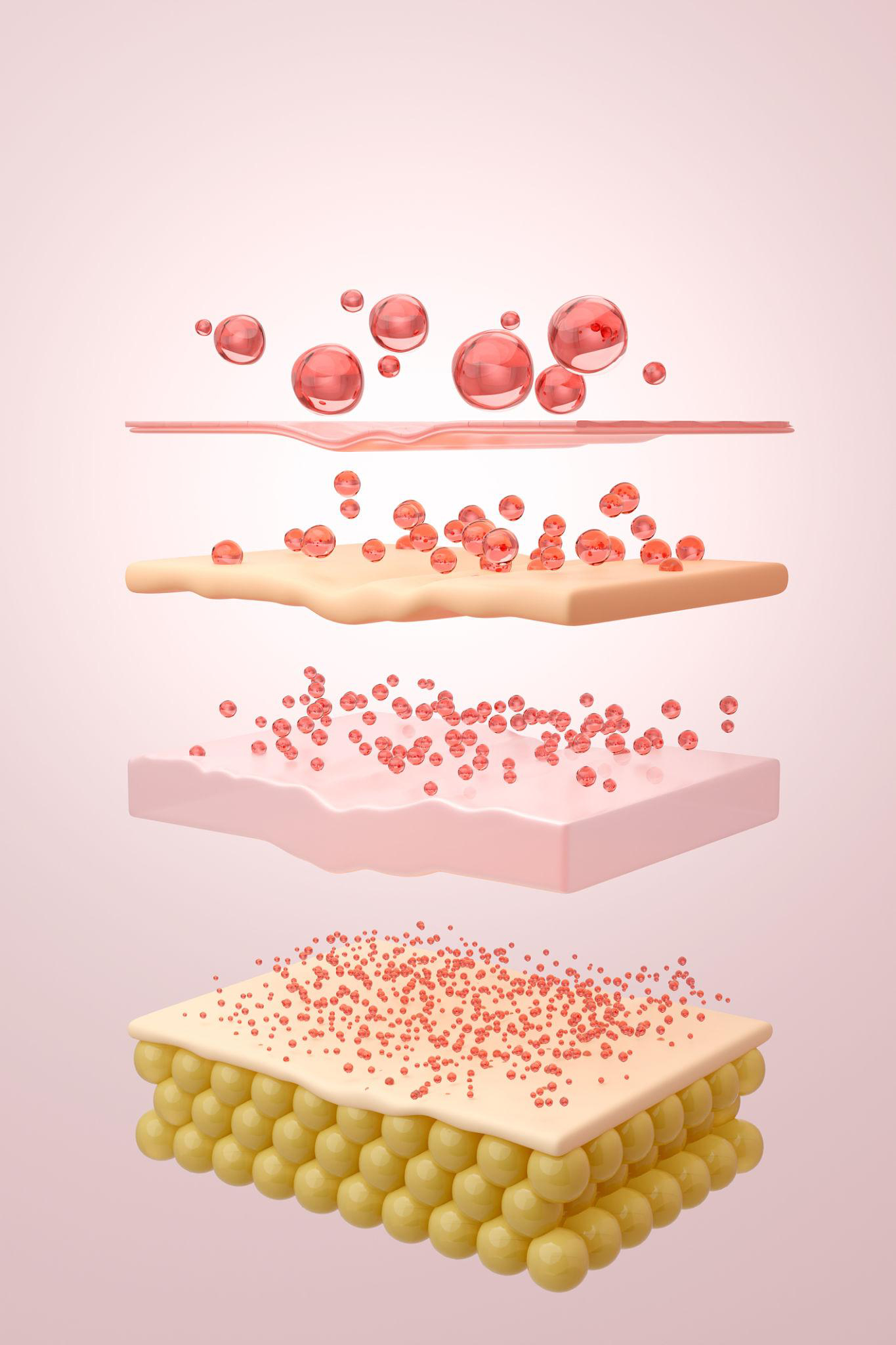
2. Central biological axis: adenosine A2A signaling
Polydeoxyribonucleotide (PDRN) is main cellular role is mediated through increased adenosine activity and activation of:
Adenosine A2A receptor
When activated in human cells:
Intracellular cascade:
- ↑ adenylate cyclase activity
- ↑ cyclic AMP (cAMP)
- activation of protein kinase A (PKA)
Cellular outcome:
- anti-inflammatory gene expression
- pro-regenerative signaling programs
3. Core cellular roles across major cell types
A) Fibroblasts (connective tissue repair cells)
Polydeoxyribonucleotide (PDRN) signaling leads to:
- ↑ proliferation of fibroblasts
- ↑ collagen type I & III synthesis
- ↑ extracellular matrix remodeling
Role: structural tissue rebuilding
B) Keratinocytes (skin barrier cells)
Effects:
- ↑ controlled proliferation
- normalized differentiation
- improved barrier turnover
Role: epidermal regeneration and repair
C) Endothelial cells (blood vessel lining)
Effects:
- ↑ VEGF expression
- ↑ angiogenesis (new capillary formation)
- improved microcirculation
Role: oxygen and nutrient delivery enhancement
D) Immune cells (macrophages, neutrophils)
Effects:
- ↓ TNF-α, IL-1β, IL-6
- ↑ IL-10 (anti-inflammatory cytokine)
- shift from M1 → M2 macrophage phenotype
Role: switching inflammation into repair mode
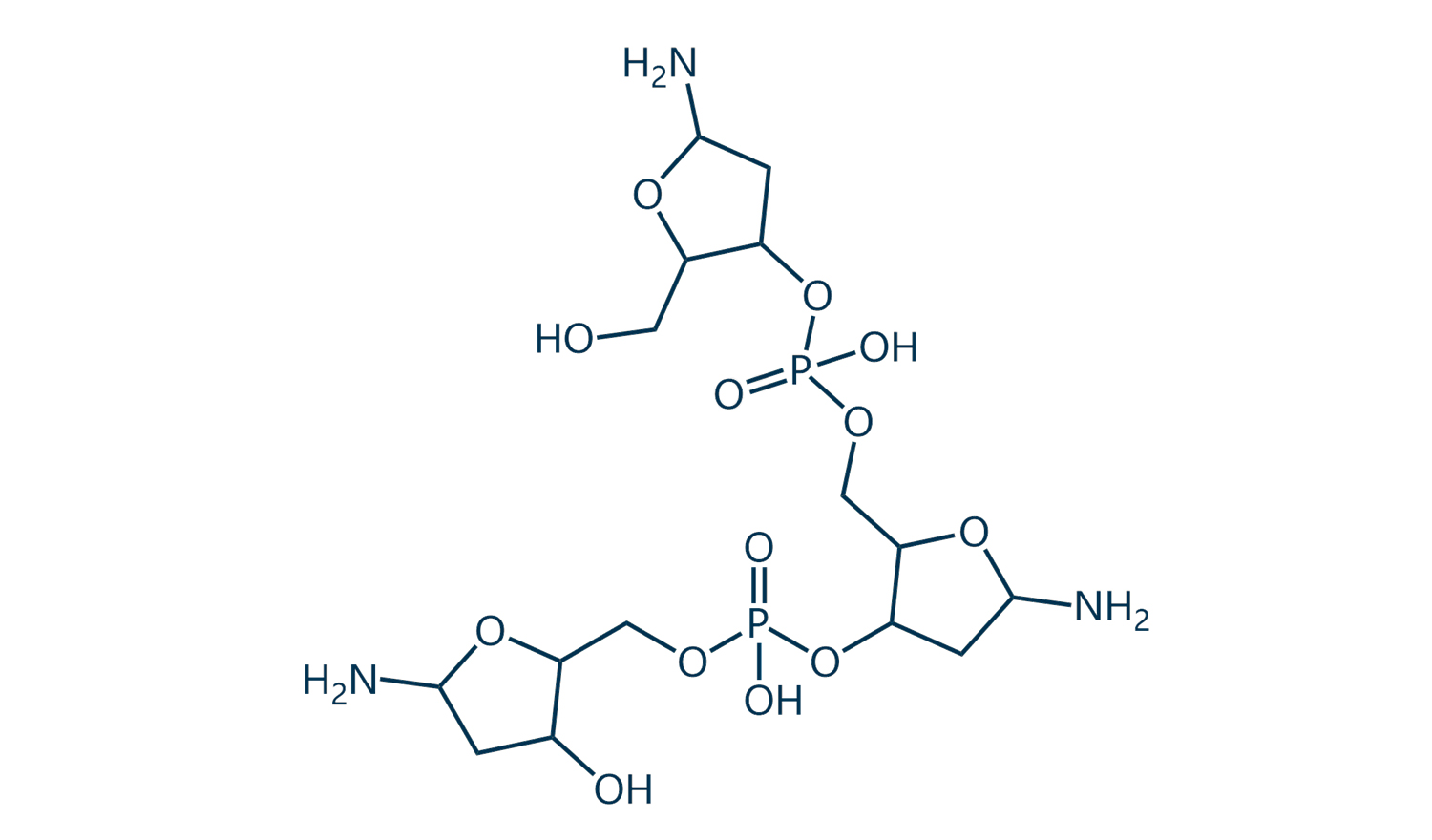
4. Metabolic role: nucleotide salvage support
After degradation, Polydeoxyribonucleotide (PDRN) provides:
- deoxyribonucleotides
- nucleosides (adenosine-related compounds)
These feed into:
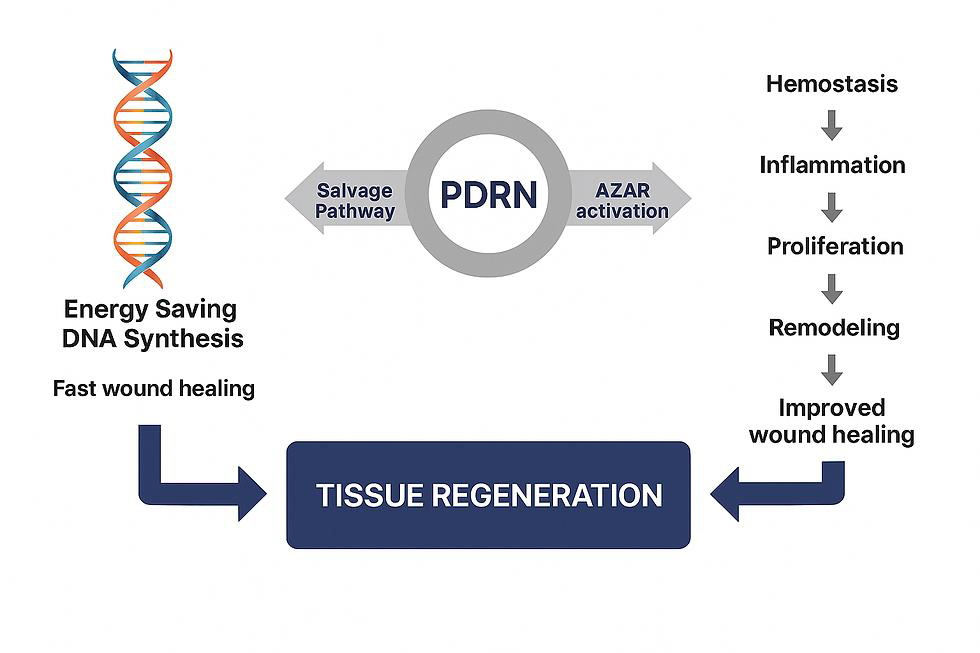
- Purine salvage pathway
- ATP regeneration support
- DNA repair in proliferating cells
Role: energy-efficient nucleotide recycling during tissue repair
5. Functional summary in human biology
Polydeoxyribonucleotide (PDRN) is integrated role can be summarized as:
(1) Damage sensing support
- accumulates in damaged extracellular environments
(2) Signal amplification
- increases adenosine-mediated receptor activity
(3) Cellular reprogramming toward repair
- fibroblasts + keratinocytes + endothelial cells activated
(4) Immune modulation
- inflammation suppressed, repair phenotype promoted
(5) Structural remodeling
- collagen and extracellular matrix rebuilt
6. One-line core role
Polydeoxyribonucleotide (PDRN) acts in human cells as a nucleotide-derived extracellular signaling and metabolic substrate that activates adenosine A2A–mediated pathways to suppress inflammation and drive tissue regeneration.
If you want, I can map this into a step-by-step wound healing timeline (hemostasis → inflammation → proliferation → remodeling) and show exactly where PDRN acts in each phase.