
1. Introduction
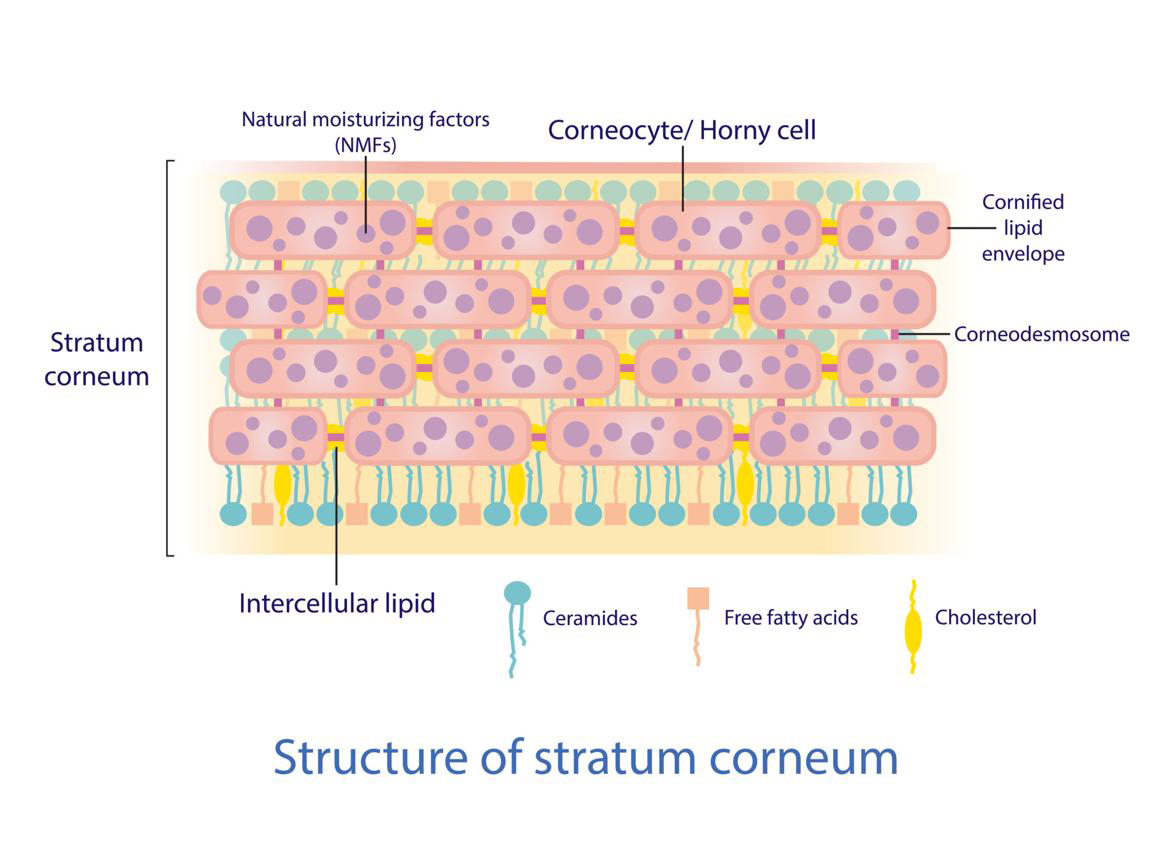
Tetraacetylphytosphingosine (TAPS) is an acetylated derivative of phytosphingosine, a naturally occurring sphingoid base found in the skin’s stratum corneum and associated with the skin’s ceramide system.
It is primarily studied as a functional cosmetic ingredient for skin-conditioning, barrier-supporting, moisturizing, and anti-aging formulations.
Tetraacetylphytosphingosine is designed to modify the chemical properties of phytosphingosine through acetylation. This modification can influence its stability, compatibility with cosmetic formulations, and interaction with the skin.
It is important to distinguish Tetraacetylphytosphingosine from phytosphingosine itself: TAPS is a chemically modified derivative, and its cosmetic effects should not automatically be assumed to be identical to those of free phytosphingosine.
2. Origin and Source
(1) Natural origin
The parent compound, phytosphingosine, belongs to the sphingoid-base family of lipids. It is naturally present in mammalian skin, particularly in the stratum corneum, where sphingoid bases are associated with ceramide metabolism.
Phytosphingosine can also be found in certain plants, yeasts, and other biological materials.
(2) Chemical origin
Tetraacetylphytosphingosine is produced through chemical modification of phytosphingosine by acetylation.
The name tetraacetyl indicates the introduction of four acetyl groups into the parent molecule. This modification changes the molecule’s polarity and chemical behavior.
(3) Raw material sources
Potential starting materials for Tetraacetylphytosphingosine production include:
- Phytosphingosine obtained through chemical synthesis.
- Phytosphingosine produced through biological or fermentation-related processes.
- Purified phytosphingosine obtained from suitable lipid-derived raw materials.
The actual source depends on the manufacturer’s production technology and raw-material specifications.
3. Chemical and Structural Properties
Tetraacetylphytosphingosine belongs to the sphingolipid-related compound family and is a chemically acetylated derivative of phytosphingosine.
Its molecular structure contains a long-chain fatty-like hydrocarbon backbone, an acetylated amino group, and three acetylated hydroxyl groups.
Basic chemical information:
| Property | Description |
| INCI name | Tetraacetylphytosphingosine |
| Common abbreviation | TAPS |
| CAS number | 13018-48-9 |
| Molecular formula | C₂₆H₄₇NO₇ |
| Molecular weight | 485.65 g/mol |
| Chemical classification | Acetylated sphingoid base |
| Parent compound | Phytosphingosine |
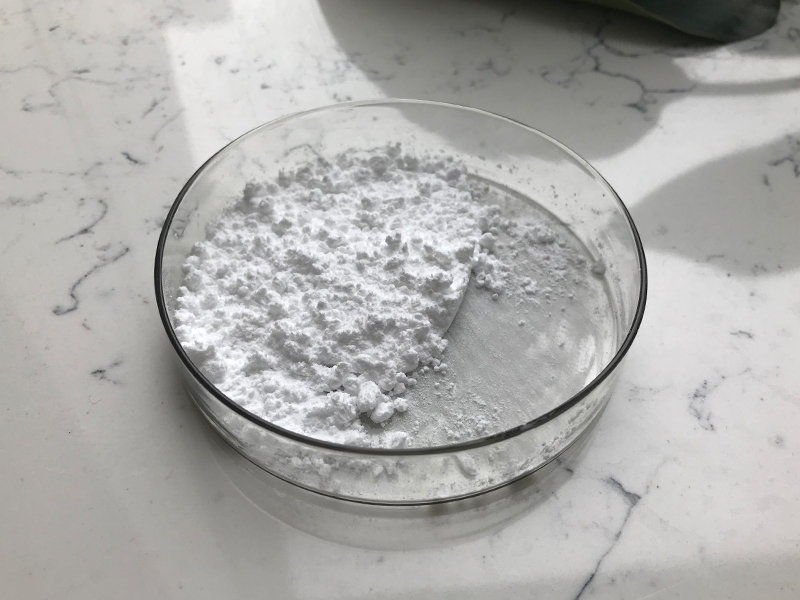
| Physical form | White or off-white solid |
| Melting point | Approximately 46°C |
| Water solubility | Insoluble or poorly soluble |
| Ethanol solubility | Reported up to 25 mg/mL |
Sources: PubChem and Sigma-Aldrich.
4. Main Physical and Chemical Properties
(1) Lipophilic characteristics
Tetraacetylphytosphingosine contains a long hydrocarbon chain, which contributes to its lipophilic character.
This characteristic makes it suitable for investigation and use in oil-containing cosmetic formulations.
(2) Acetylated molecular structure
The molecule contains four acetyl groups:
- One acetyl group attached to the amino nitrogen.
- Three acetyl groups attached to hydroxyl oxygen atoms.
These modifications alter the polarity and chemical behavior of the original phytosphingosine molecule.
(3) Solubility and formulation compatibility
Tetraacetylphytosphingosine is poorly soluble in water but has better compatibility with certain organic and oil-based formulation systems.
Its relatively low melting point also makes it convenient to incorporate into appropriately designed cosmetic formulations.
(4) Stability
Acetylation modifies the chemical structure of phytosphingosine and can influence its handling and formulation stability.
However, actual stability depends on temperature, pH, solvent system, storage conditions, and formulation composition.
5. Biological Origin and Production Background
An important biological source associated with Tetraacetylphytosphingosine production is the yeast species Wickerhamomyces ciferrii, formerly known as Hansenula ciferrii and Pichia ciferrii.
This microorganism is known for producing sphingoid bases and related sphingolipid compounds.
Research into microbial production has explored the use of yeast fermentation to produce phytosphingosine-related materials and Tetraacetylphytosphingosine.
The general production concept involves:
(1) Selecting and cultivating suitable yeast strains.
(2) Optimizing fermentation conditions.
(3) Promoting sphingoid-base biosynthesis.
(4) Recovering and purifying the target compound.
(5) Applying appropriate chemical or biotechnological processing to obtain the desired Tetraacetylphytosphingosine product.
Microbial production is an important research direction because it offers an alternative to relying entirely on conventional chemical synthesis.
6. Applications in Cosmetics
Tetraacetylphytosphingosine is primarily used as a specialty cosmetic active ingredient.
Its major formulation applications include:
| Application | Intended cosmetic function |
| Facial creams | Skin conditioning and barrier support |
| Moisturizers | Supporting skin hydration |
| Eye creams | Improving the appearance of under-eye skin |
| Anti-aging products | Supporting skin appearance and barrier function |
| Sensitive-skin products | Supporting skin barrier maintenance |
| Repair creams | Supporting skin conditioning and recovery |
| Hair and scalp products | Skin and hair conditioning |
Croda’s DS-TAPS product specifically highlights skin-barrier improvement and the appearance of under-eye dark circles as its principal cosmetic applications.
7. Relationship Between Tetraacetylphytosphingosine and Ceramides
One of the most interesting characteristics of Tetraacetylphytosphingosine is its relationship with ceramide biosynthesis.
Ceramides are essential components of the stratum corneum lipid matrix. They help maintain the skin barrier, reduce excessive water loss, and protect against environmental stressors.
Tetraacetylphytosphingosine is investigated as a potential precursor or metabolic substrate associated with ceramide production.
Its proposed cosmetic relevance includes:
- Supporting endogenous ceramide production.
- Helping maintain the skin’s lipid barrier.
- Supporting moisture retention.
- Improving the appearance of dry and sensitive skin.
However, Tetraacetylphytosphingosine should not be confused with a ready-made ceramide. Its conversion into downstream sphingolipids involves biological metabolic processes, and the extent of these effects in human skin depends on formulation and experimental evidence.
8. Summary
Tetraacetylphytosphingosine is a chemically modified phytosphingosine derivative belonging to the sphingolipid-related compound family.
Its main characteristics include:
(1) Biological relationship: Derived structurally from phytosphingosine, a naturally occurring sphingoid base.
(2) Chemical structure: Contains four acetyl groups and an 18-carbon hydrocarbon backbone.
(3) Physical properties: White solid, relatively lipophilic, and poorly soluble in water.
(4) Production: Can be associated with microbial production using Wickerhamomyces ciferrii.
(5) Cosmetic applications: Used in skin-conditioning, moisturizing, anti-aging, and barrier-supporting formulations.
(6) Biological interest: Investigated for its relationship with endogenous ceramide biosynthesis.
Overall conclusion: Tetraacetylphytosphingosine is an interesting sphingolipid-related cosmetic ingredient because of its potential role in supporting ceramide production and skin-barrier function. Its acetylated structure and formulation properties make it a specialized ingredient for modern skincare development, although its specific clinical benefits require further validation.