
BAM-15 is a synthetic mitochondrial protonophore that acts as a metabolic uncoupler. By dissipating the proton gradient across the inner mitochondrial membrane, it increases energy expenditure without significantly raising body temperature, which distinguishes it from older uncouplers such as 2,4-Dinitrophenol.
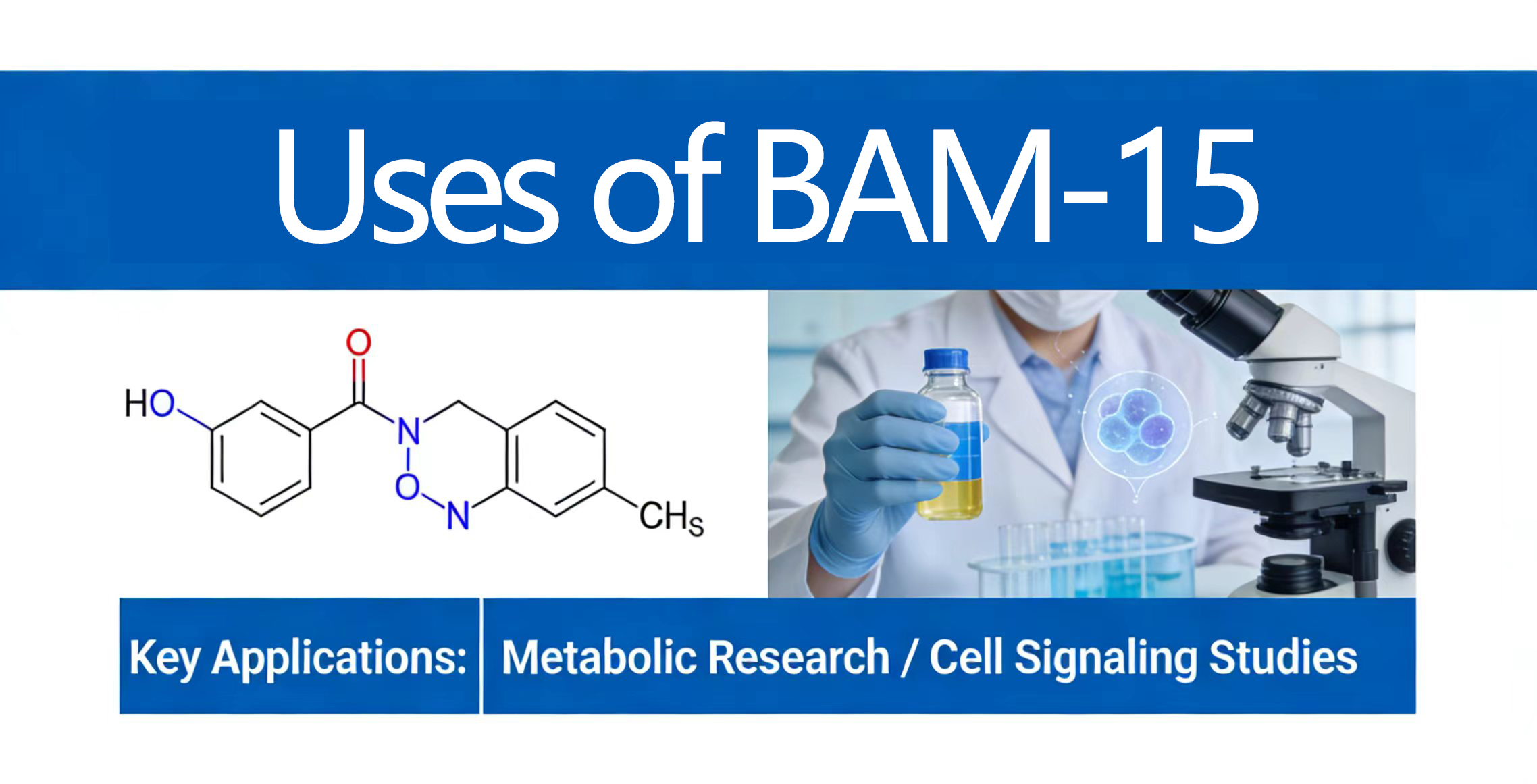
Uses of BAM-15
1. Anti-Obesity and Weight-Loss Research
BAM-15 is widely studied as a potential treatment for obesity.
Mechanism
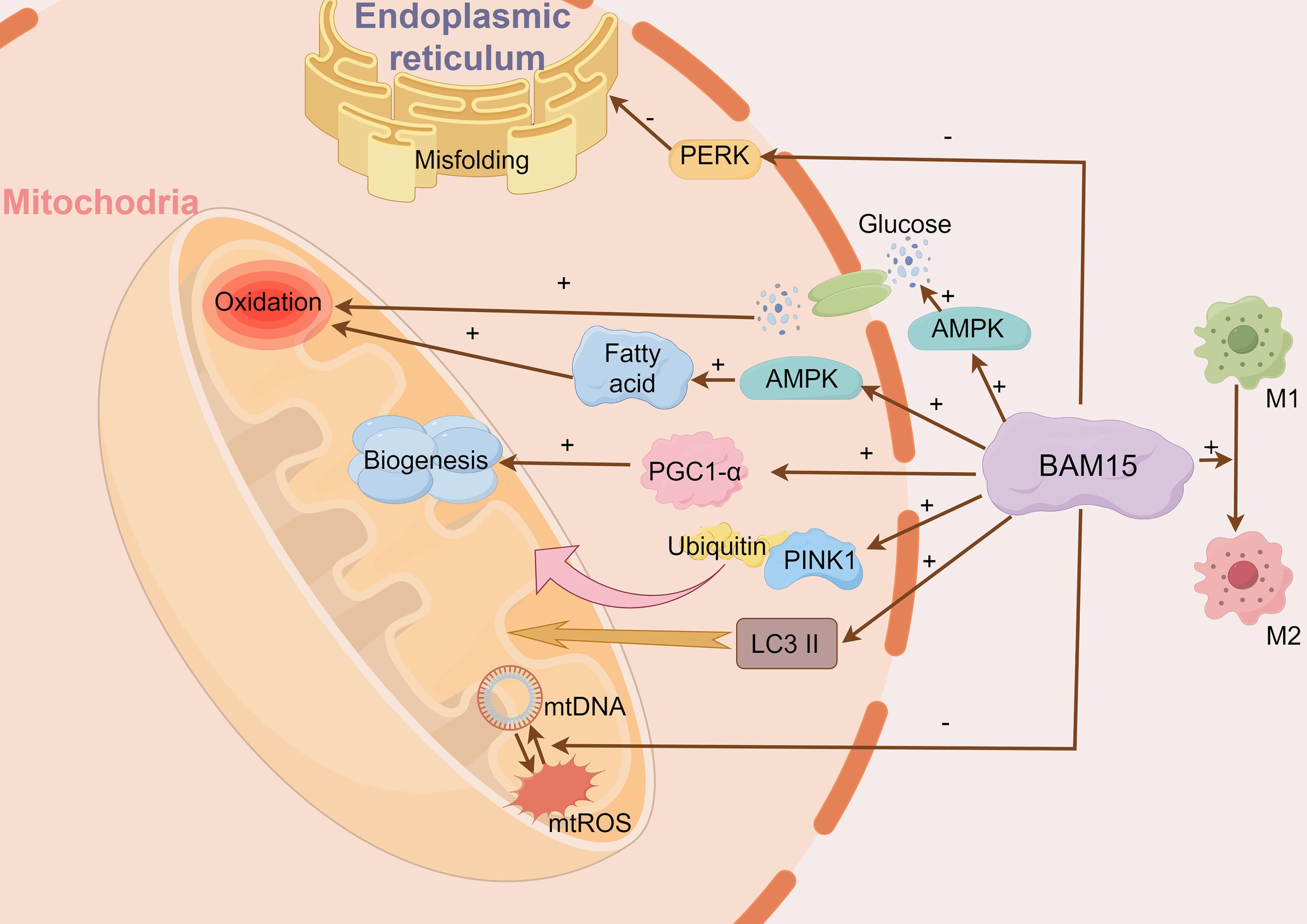
- Increases mitochondrial respiration
- Burns excess fuel (fat and glucose) as heat
- Raises whole-body energy expenditure
Observed effects in animal studies
- Reduced body fat
- Decreased weight gain despite high-fat diets
- Improved metabolic efficiency
Potential advantages:
- Does not significantly increase body temperature
- Lower toxicity risk compared with DNP
2. Treatment of Metabolic Disorders
Researchers are exploring BAM-15 for diseases linked to metabolic dysfunction, including:
- Type 2 Diabetes
- Non‑alcoholic fatty liver disease
- Metabolic syndrome
Benefits seen in preclinical models
- Improved insulin sensitivity
- Lower blood glucose
- Reduced liver fat accumulation
3. Treatment of Fatty Liver Disease
In experimental models of fatty liver, BAM-15:
- Enhances fat oxidation in the liver
- Reduces hepatic triglyceride accumulation
- Improves mitochondrial function
This makes it promising for NAFLD/NASH drug development.
4. Muscle Function and Metabolic Fitness
BAM-15 has shown beneficial effects in skeletal muscle metabolism.
Potential benefits:
- Increased fatty-acid oxidation
- Improved mitochondrial efficiency
- Protection against muscle metabolic decline
Researchers are exploring it for:
- Metabolic myopathies
- Age-related metabolic decline
5. Mitochondrial Biology Research Tool
BAM-15 is frequently used in laboratory research to study mitochondrial physiology.
Scientists use it to investigate:
mitochondrial proton gradients
- Oxidative phosphorylation
- Cellular energy metabolism
- Mitochondrial stress responses
Fields using BAM-15 include:
- Biochemistry
- Cell Biology
- Metabolic Research
6. Potential Anti-Aging and Longevity Research
Because mitochondrial efficiency is linked to aging, BAM-15 is being studied in longevity research.
Possible effects:
- Improved mitochondrial turnover
- Reduced oxidative stress
- Enhanced metabolic resilience
However, this area is still very early-stage.
7. Possible Applications in Rare Metabolic Diseases
BAM-15 may help conditions involving mitochondrial dysfunction, such as:
- Mitochondrial disease
- inherited metabolic syndromes affecting energy production
Research is still experimental.
Summary
| Area | Potential Benefit |
| Obesity | Increased fat burning and energy expenditure |
| Diabetes | Improved glucose metabolism |
| Fatty liver disease | Reduced liver fat |
| Muscle metabolism | Improved mitochondrial function |
| Research tool | Study of mitochondrial uncoupling |
| Longevity research | Possible metabolic health benefits |
Important note:
BAM-15 is not approved for human medical use. Current applications are limited to preclinical research and experimental studies.
If you’d like, I can also explain:
- Why BAM-15 is considered safer than DNP
- How BAM-15 works at the mitochondrial level (step-by-step mechanism)
- Current drug development progress for BAM-15.