
Magnesium glycinate can play a meaningful role in mood regulation due to magnesium’s central role in the nervous system. Here’s a detailed breakdown:
1. Magnesium and Neurotransmitters
- Magnesium is essential for the synthesis and regulation of neurotransmitters like serotonin, dopamine, and GABA.
- Serotonin: Low magnesium is associated with reduced serotonin activity, which can contribute to depression and anxiety.
- GABA: Magnesium binds to GABA receptors, helping calm neuronal activity, promoting relaxation and reducing stress.
2. Stress and Cortisol Regulation
- Magnesium modulates the HPA (hypothalamic-pituitary-adrenal) axis, which controls stress response.
- Adequate magnesium can lower cortisol levels, which may help mitigate chronic stress and mood swings.
3. Neuronal Excitability
- Magnesium acts as a natural NMDA receptor blocker. Overactivation of NMDA receptors is linked to anxiety, irritability, and depressive symptoms.
- By regulating excitability, magnesium glycinate can promote calmness and emotional stability.
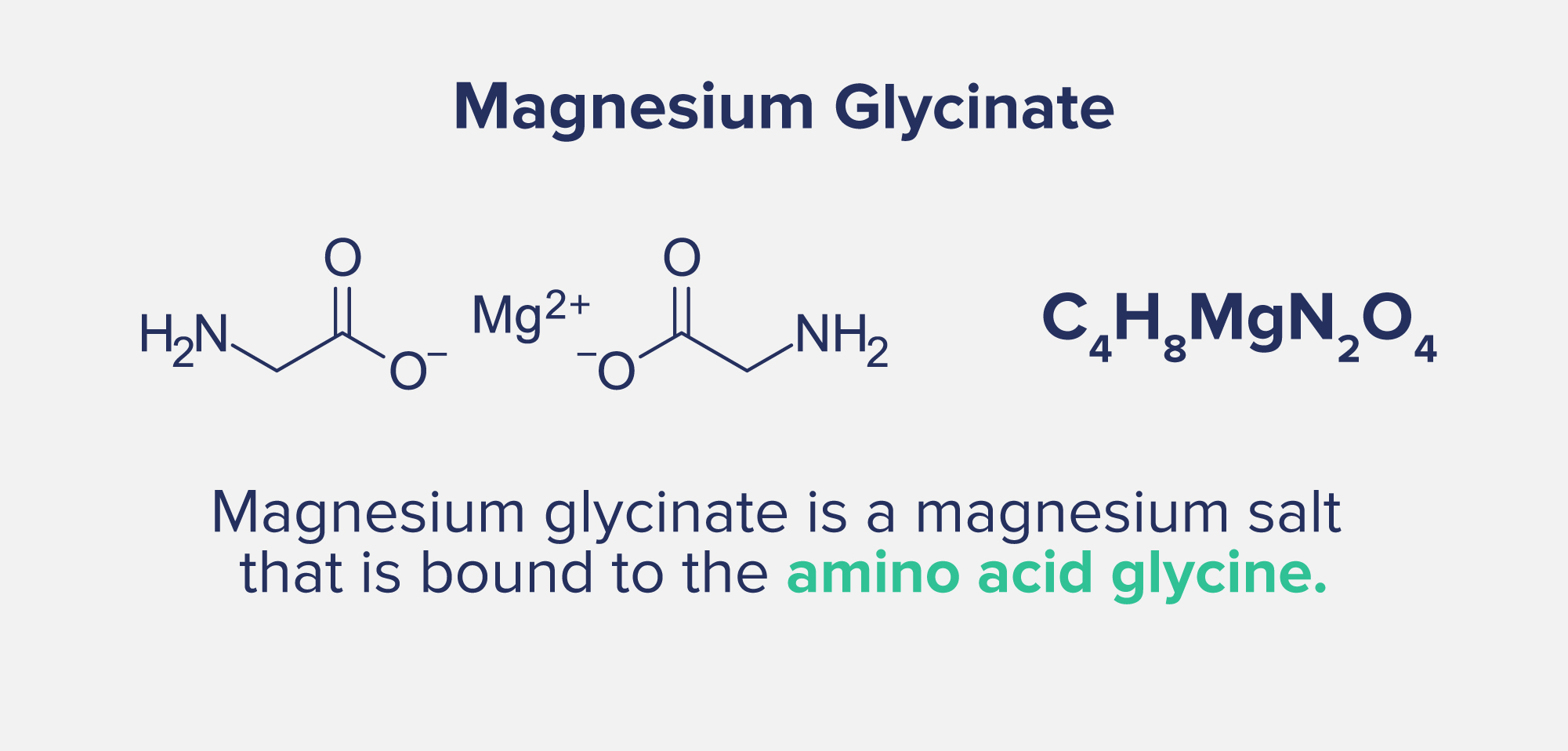
4. Bioavailability Advantage of Glycinate
- Magnesium glycinate is highly bioavailable and gentle on the gut, so it effectively raises magnesium levels without the laxative effects common with other forms (like magnesium oxide).
- Stable magnesium levels support long-term mood regulation.
5. Clinical Observations
- Studies have found that magnesium supplementation, especially forms like glycinate, may improve symptoms of mild to moderate depression and anxiety.
- It’s often used as a complementary treatment alongside therapy or antidepressants rather than a sole treatment.
Summary: Magnesium glycinate supports mood by promoting neurotransmitter balance, regulating stress hormones, and calming neuronal excitability—all crucial for emotional stability. Its gentle absorption makes it a preferred option for long-term mood support.