
Magnesium glycinate is a dietary supplement that combines magnesium with glycine, an amino acid. This combination enhances magnesium’s bioavailability and absorption, making it a popular choice for those looking to increase their magnesium intake without the gastrointestinal side effects often associated with other forms of magnesium.
Origin of Magnesium Glycinate
- Magnesium is an essential mineral naturally found in foods like green leafy vegetables, nuts, seeds, and whole grains.
- Glycine is a non-essential amino acid that the body can synthesize, found in protein-rich foods like meat, fish, and legumes.
- Magnesium glycinate is a synthetic compound made by chemically binding magnesium with glycine to form a stable chelate.
Chemical Reaction (simplified):
Magnesium (Mg²⁺)+2Glycine molecules→Magnesium Glycinate (Mg(Gly)₂)
Properties of Magnesium Glycinate
Physical Properties:
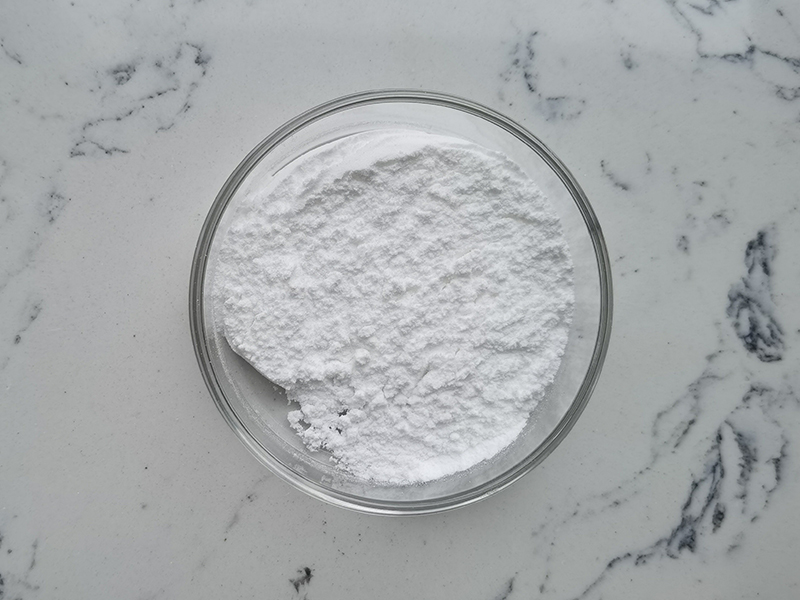
- Appearance: White to off-white crystalline powder.
- Solubility: Moderately soluble in water.
- Taste: Mild, less bitter than other magnesium salts.
- Stability: Chemically stable under normal storage conditions.
Chemical Properties:
- Molecular Formula: C₄H₈MgN₂O₄
- Molecular Weight: 172.41 g/mol
- Magnesium Content: ~14–15% by weight (higher than magnesium oxide)
- Non-acidic and less likely to cause laxative effects compared to other magnesium salts.
Biological Properties:
- Easily absorbed in the small intestine.
- Less likely to cause diarrhea or gastrointestinal discomfort.
- Supports functions such as muscle relaxation, nerve signaling, energy production, and bone health.

Introduction of Magnesium Glycinate
Magnesium glycinate is a magnesium supplement where magnesium is chelated (bound) with glycine, an amino acid. Chelation improves magnesium’s bioavailability, meaning it’s more easily absorbed in the digestive tract compared to some other forms like magnesium oxide. It’s commonly used to prevent or treat magnesium deficiency and support overall health.
Key Points:
- Highly bioavailable and gentle on the stomach.
- Often preferred for individuals with digestive sensitivity.
- Used for muscle relaxation, nerve function, and sleep support.
Applications of Magnesium Glycinate
- Dietary supplement for magnesium deficiency.
- Support for sleep, stress, and anxiety management.
- Used in sports nutrition to reduce muscle cramps.
- May assist in migraine prevention and bone health.