
“Ergothioneine” is a naturally occurring amino acid and antioxidant found in various fungi, mushrooms, and some bacteria. If you’re asking for a “Materials and Methods” section related to a scientific experiment or study on ergothioneine, here’s a general format you can adapt depending on your specific focus (e.g., extraction, quantification, biological assay, synthesis, etc.).
Materials of Ergothioneine
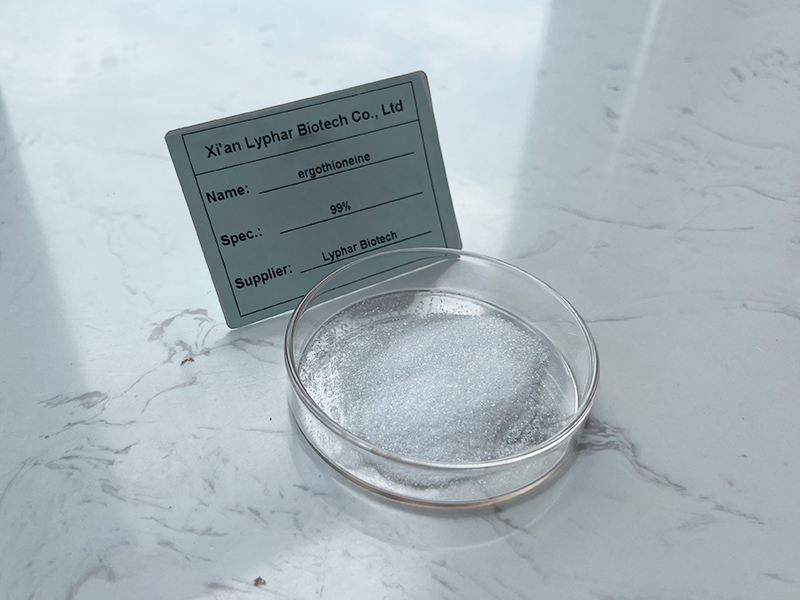
- Ergothioneine (EGT): Purchased from [insert supplier name, e.g., Sigma-Aldrich], ≥98% purity.
- Solvents and Reagents: Analytical-grade methanol, ethanol, phosphate-buffered saline (PBS), dimethyl sulfoxide (DMSO), and other standard reagents were obtained from [insert supplier].
- Cell Line(s) or Animal Model (if applicable): [Specify cell line, e.g., HepG2, or animal model, e.g., C57BL/6 mice].
- Culture Media: [e.g., DMEM or RPMI-1640] supplemented with 10% fetal bovine serum (FBS), 1% penicillin-streptomycin.
- Equipment: UV-Vis spectrophotometer, HPLC system, centrifuge, incubator, laminar flow hood, etc.
Methods of Ergothioneine
1.Preparation of Ergothioneine Solution
Ergothioneine was dissolved in sterile PBS (or appropriate solvent, e.g., DMSO for stock solution) to prepare a stock solution of [insert concentration, e.g., 10 mM]. Working solutions were prepared by diluting the stock in [culture medium / buffer] just prior to use.
2.Cell Treatment (if using cell culture)
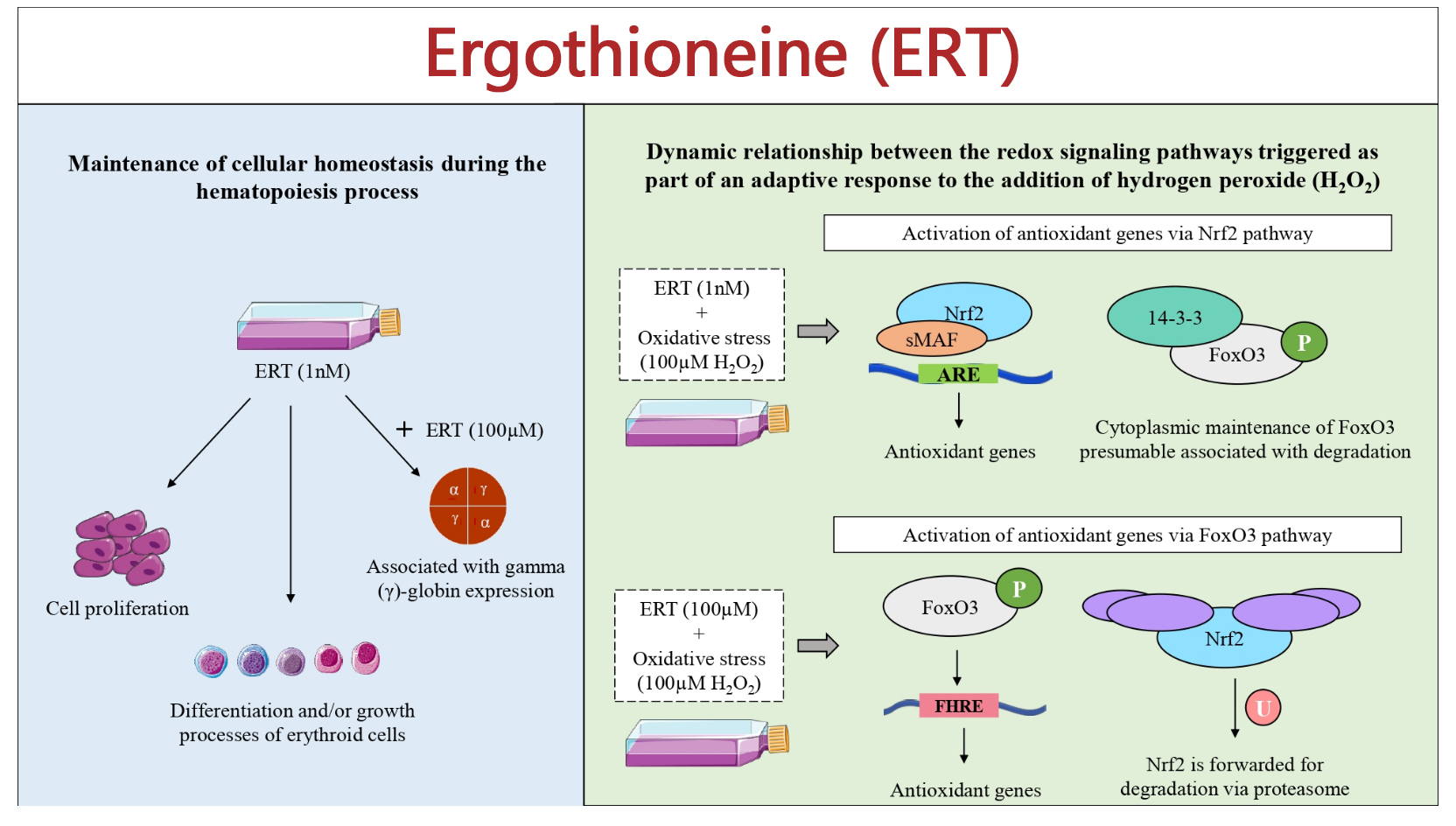
Cells were seeded in 96-well or 6-well plates and allowed to adhere overnight. Ergothioneine was added to the cells at varying concentrations (e.g., 1 µM to 100 µM) for [insert time, e.g., 24 h] under standard culture conditions (37°C, 5% CO₂).
3.Antioxidant Assay (e.g., DPPH, ABTS, or ROS quantification)
- DPPH assay: Ergothioneine solutions were mixed with 0.1 mM DPPH in methanol and incubated in the dark for 30 min. Absorbance was measured at 517 nm.
- Intracellular ROS measurement: After treatment, cells were incubated with DCFH-DA for 30 min, washed, and fluorescence was measured at Ex/Em = 485/535 nm.
4.Quantification of EGT (optional)
Ergothioneine concentration in samples (e.g., cell lysates, serum) was determined using HPLC with UV detection at 254 nm, using a C18 reverse-phase column and an appropriate mobile phase (e.g., water:methanol with 0.1% formic acid).
5.Statistical Analysis
Data were analyzed using GraphPad Prism [version] or SPSS [version]. Results were expressed as mean ± standard deviation (SD) from at least three independent experiments. Statistical significance was determined using [e.g., one-way ANOVA followed by Tukey’s post hoc test], with p < 0.05 considered significant.
Let me know the exact context of your study, and I can tailor this further (e.g., for a pharmacokinetics study, tissue distribution, microbial fermentation of Ergothioneine, etc.).