
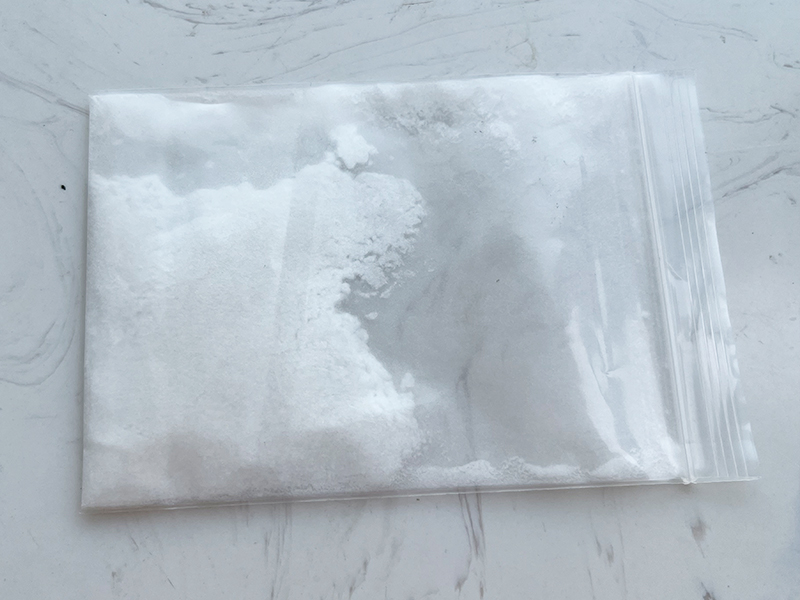
Hydrolyzed Sponge is a cosmetic ingredient derived from marine sponges that have been hydrolyzed (broken down) into very fine, micro- or nano-sized needle-like structures. It is most commonly used in skincare, especially in exfoliating and skin-renewal products.
What Hydrolyzed Sponge Is Made Of
- Primarily silica-based spicules (microscopic sponge skeletons)
- Natural marine origin
- Processed to be uniform and ultra-fine
These spicules are sometimes referred to as “sponge spicules” or “micro-needles” in cosmetic marketing.
How It Works
Hydrolyzed sponge works through physical stimulation rather than chemical action:
1. Micro-exfoliation
The tiny spicules gently puncture the stratum corneum (outer skin layer)
Helps remove dead skin cells
2. Skin renewal stimulation
Triggers natural skin repair processes
Encourages cell turnover
3. Enhanced absorption
Creates temporary micro-channels
Improves penetration of active ingredients (e.g., peptides, antioxidants)
Main Benefits in Skincare
Promotes skin renewal
Improves skin texture and smoothness
Helps reduce the appearance of:
- Acne scars
- Fine lines
- Enlarged pores
Boosts efficacy of serums and treatments
Common Applications
Spicule peels (often marketed as “no-needle microneedling”)
Exfoliating masks and creams
Acne treatment products
Skin rejuvenation treatments (professional or home-use)
Safety & Sensations
Can cause temporary tingling, redness, or itching
Sensation may last from a few hours to 1–2 days
Not recommended for:
- Sensitive or compromised skin
- Active inflammation, eczema, or rosacea
Sunscreen use is essential after treatment
Hydrolyzed Sponge vs Chemical Exfoliants
| Feature | Hydrolyzed Sponge | AHAs/BHAs |
| Mechanism | Physical micro-stimulation | Chemical exfoliation |
| Penetration boost | Yes | Limited |
| Sensation | Tingling/prickly | Mild sting |
| Post-care | Important | Important |