
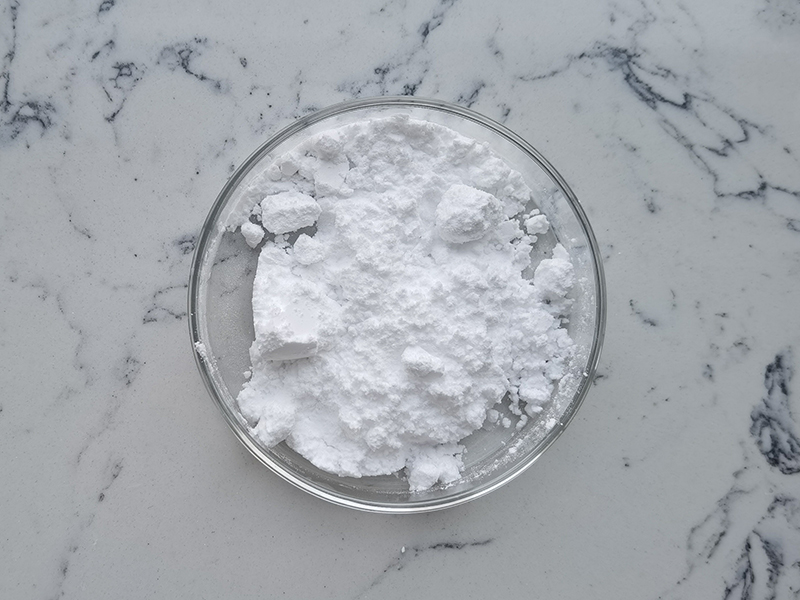
Magnesium Acetyl Taurate is a magnesium salt of acetyl taurine, combining magnesium with acetylated taurine. It’s primarily used as a dietary supplement rather than a pharmaceutical drug.
What It Is
Magnesium Acetyl Taurate is a form of magnesium bound to taurine and an acetyl moiety. The acetyl and taurine components may help transport magnesium more efficiently across the blood–brain barrier, potentially increasing magnesium levels in neural tissue more than some other magnesium forms in early preclinical studies.
Potential Effectiveness & Benefits
Stress Reduction, Anxiety & Mood Support
- Acetyl-taurate may help regulate excitatory/inhibitory balance in the brain by affecting NMDA and GABA pathways — mechanisms linked with stress and anxiety.
- Small human studies (e.g., women with PMS symptoms) showed reduced nervous tension, anxiety, fatigue, and irritability with twice-daily supplementation.
Brain Health & Cognitive Function
- Animal research suggests improved brain magnesium uptake and neuroprotective effects, including protection after brain injury.
- This may hypothetically support learning/memory or emotional regulation, though human data remain limited.
Nervous System Balance & Sleep
- By modulating neurochemical pathways (e.g., GABA), acetyl-taurate may promote calmness and help with sleep quality for some users.
- Taurine itself has calming, inhibitory neurotransmission support separate from magnesium.
General Magnesium Benefits
Because it’s still a magnesium supplement, benefits seen with magnesium generally may also apply:
- Muscle and nerve function support
- Blood pressure regulation (not specific to acetyl-taurate)
- Improved insulin sensitivity and blood sugar control in some studies (general magnesium evidence)
Important: Much of the specific research on Magnesium Acetyl Taurate is preclinical (animal or mechanistic) or from limited small human studies. Larger, well-controlled clinical trials are lacking.
Side Effects & Safety
Magnesium supplements are usually well-tolerated — and chelated forms like acetyl-taurate often cause fewer digestive issues than inorganic salts — but possible side effects include:
Common / Mild
- Gastrointestinal discomfort (loose stools, diarrhea, cramps — typical of many magnesium supplements)
- Drowsiness or calmness, which may be undesirable if taken during the day
Less Common / Potential
- Low blood pressure (hypotension) if taken in high doses or with blood pressure meds
- Dizziness or headache reported rarely
- Muscle weakness at high magnesium levels
Rare / Serious
- Magnesium toxicity is rare in healthy kidneys but can occur, especially in kidney impairment, and may cause lethargy, irregular heartbeat, or respiratory issues (general magnesium knowledge).
Special Precautions
Before using magnesium acetyl taurate, consider:
Consult a Healthcare Provider if You Have:
- Kidney disease or impaired renal function (magnesium clearance issues)
- Heart rhythm disorders or taking antiarrhythmic medications
- Low baseline blood pressure or taking antihypertensive drugs
Pregnancy & Breastfeeding
- Safety data are limited — medical supervision is recommended.
Drug Interactions
- Magnesium can interact with certain antibiotics, bisphosphonates, diuretics, and thyroid meds, affecting absorption or action.
Dosing
- No official RDA specific to Magnesium Acetyl Taurate.
- Product guides suggest ranges like ~700–1400 mg daily of the compound (varies by product; elemental Mg content may be low) — always confirm elemental magnesium amounts and medical advice.
Summary
| Category | Notes |
| Effectiveness | Some evidence supports stress, anxiety, and brain Mg uptake; human data are limited |
| Common Side Effects | GI discomfort, drowsiness |
| Less Common Risks | Low blood pressure, dizziness |
| Precautions | Kidney disease, cardiovascular conditions, medication interactions |
Bottom Line
Magnesium Acetyl Taurate is a magnesium supplement variant that may offer enhanced neural uptake and stress/anxiety support compared with standard magnesium forms, but high-quality human evidence is sparse. It’s generally safe at appropriate doses but shouldn’t replace medical care, especially if you have underlying health issues.
If you’d like, I can outline typical dosing strategies or compare Magnesium Acetyl Taurate with other forms (like L-threonate, glycinate, citrate, etc.) to help decide which might suit your goals best.