
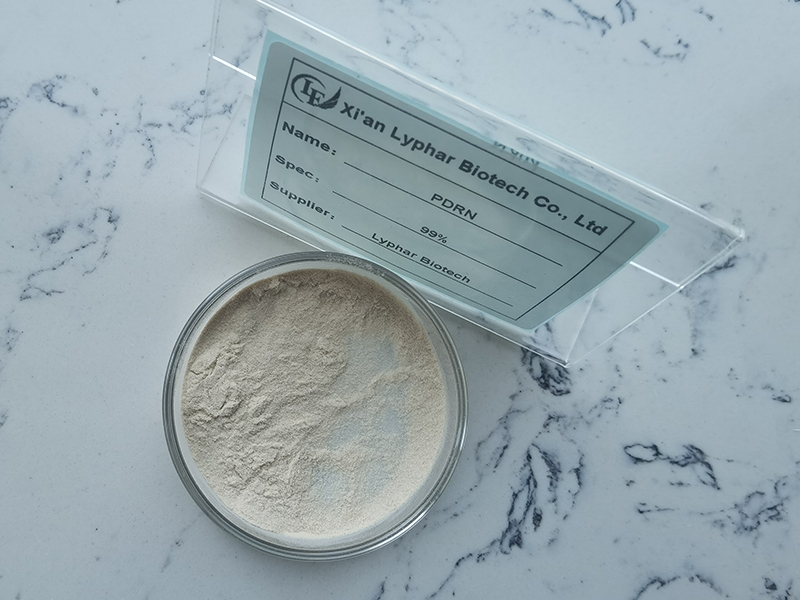
Polydeoxyribonucleotide (PDRN) is a bioactive DNA fragment mixture—typically derived from salmon sperm or trout DNA—that is widely studied and used in regenerative medicine and dermatology. Its main value comes from its ability to promote tissue repair and modulate inflammation through specific cellular pathways.
Core functions and mechanisms
1. Tissue regeneration and repair
Polydeoxyribonucleotide works primarily by activating the adenosine A2A receptor, which stimulates:
- Fibroblast proliferation
- Collagen synthesis
- Angiogenesis (new blood vessel formation)
This makes it effective in supporting the repair of damaged skin, mucosa, and soft tissues.
2. Anti-inflammatory effects
Polydeoxyribonucleotide reduces excessive inflammation by:
- Downregulating pro-inflammatory cytokines (e.g., TNF-α, IL-6)
- Promoting a more balanced immune response during wound healing
This helps wounds heal with less fibrosis and scarring.
3. Improved wound healing
Clinically, Polydeoxyribonucleotide has been associated with:
- Faster closure of chronic wounds (e.g., diabetic ulcers)
- Improved healing in post-surgical and burn injuries
- Enhanced recovery of irradiated or ischemic tissues
4. Skin rejuvenation (aesthetic use)
In dermatology and aesthetic medicine, Polydeoxyribonucleotide is used for:
- Improving skin elasticity and hydration
- Reducing fine lines and photoaging signs
- Enhancing dermal thickness and texture
It is often injected (mesotherapy-style) or used in topical formulations in some markets.
5. Angiogenesis support
By stimulating vascular endothelial growth factor (VEGF) pathways, Polydeoxyribonucleotide helps:
- Improve microcirculation
- Enhance oxygen and nutrient delivery to damaged tissue
Common applications
- Chronic wound care (diabetic foot ulcers, pressure ulcers)
- Post-operative healing support
- Dermatological rejuvenation treatments
- Tendon and soft tissue injury recovery (adjunct use in some settings)
- Ophthalmic research (corneal repair in experimental/clinical contexts)
Safety and tolerability
Polydeoxyribonucleotide is generally considered well tolerated because:
- It is a naturally derived nucleic acid fragment
- It does not significantly alter DNA of host cells
Possible mild side effects (especially with injections):
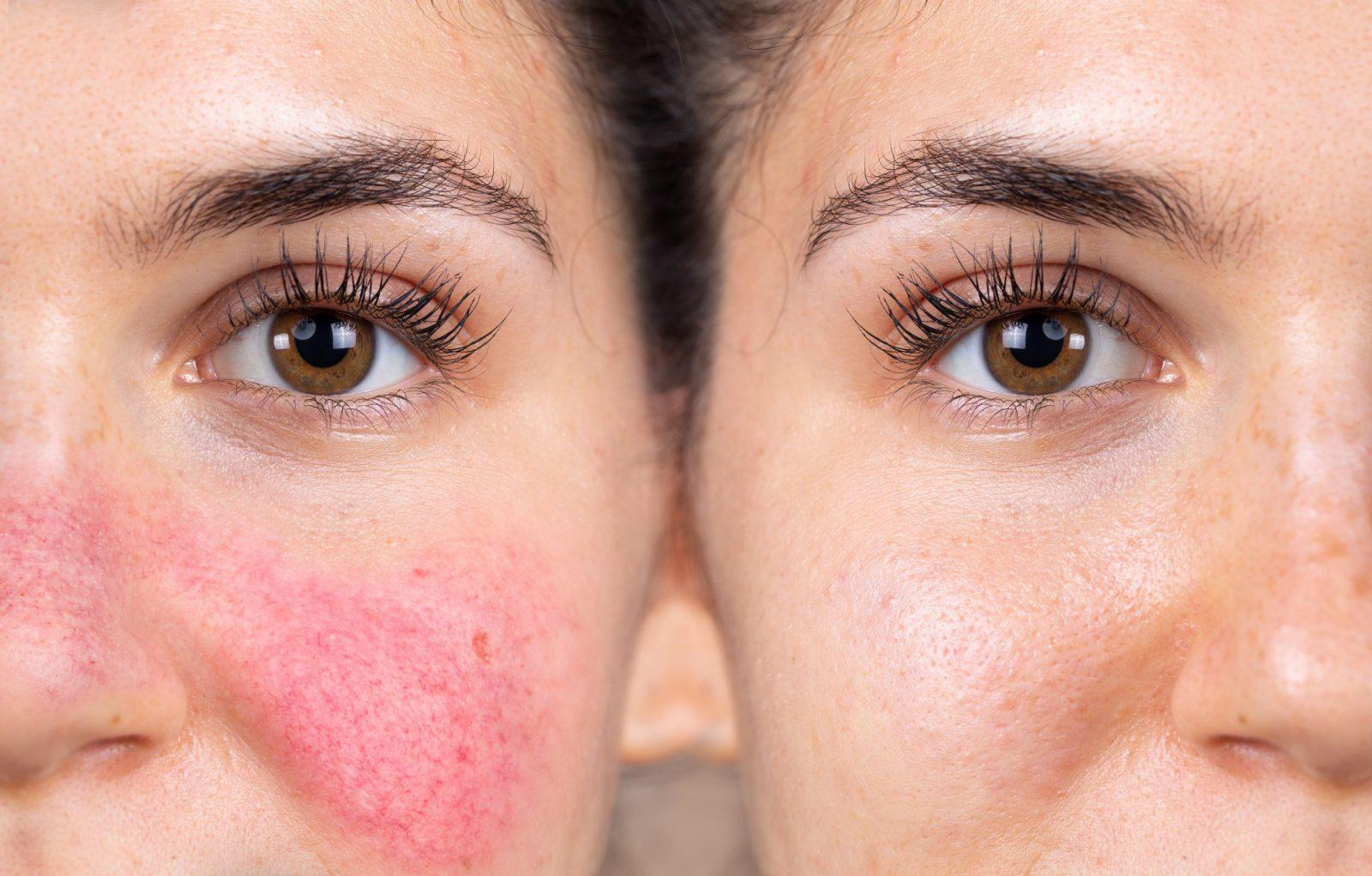
- Local redness or swelling
- Temporary pain at injection site
- Rare allergic reactions
Summary
In simple terms, Polydeoxyribonucleotide acts as a cellular “repair signal amplifier”, encouraging the body to heal faster and more efficiently by boosting tissue regeneration, reducing inflammation, and improving blood supply.