
Sepiwhite MSH is a cosmetic skin-brightening active developed for reducing the appearance of hyperpigmentation, dark spots, and uneven skin tone. It is the trade name commonly associated with Undecylenoyl Phenylalanine, a modified amino-acid derivative used primarily in cosmetic formulations.
Origin of Sepiwhite MSH
- Commercial name: Sepiwhite MSH
- INCI name: Undecylenoyl Phenylalanine
- Developer/supplier: Commonly associated with Seppic, a French specialty-ingredient company.
- Chemical origin: It is derived from L-phenylalanine, an amino acid, which is chemically modified by attachment of an undecylenoyl (C11 fatty-acyl) group.
- The modification gives the molecule properties suitable for incorporation into topical cosmetic formulations.
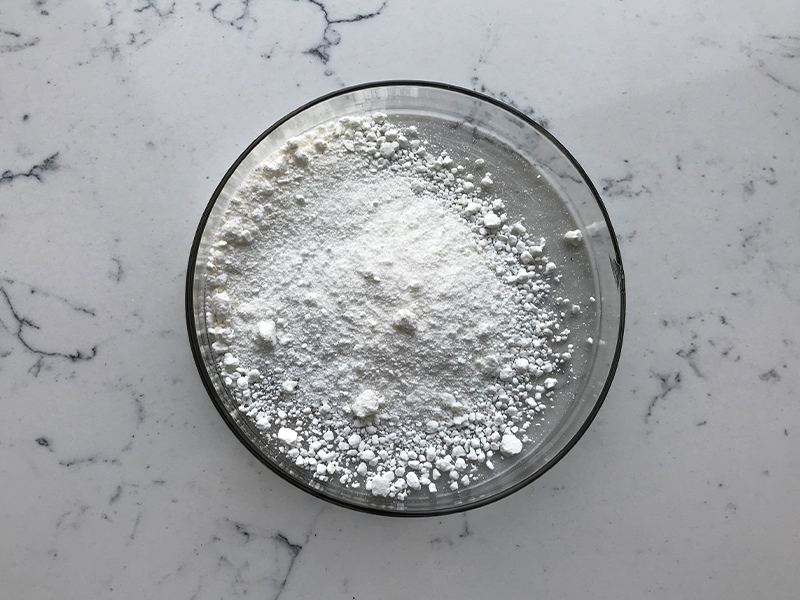
Nature of Sepiwhite MSH
Sepiwhite MSH is best described as a lipophilic amino-acid derivative and skin-depigmenting active.
Its structure contains two important portions:
- Phenylalanine-derived portion – provides the amino-acid-related functionality.
- Undecylenoyl fatty chain – increases lipophilicity and helps the ingredient interact with biological membranes and cosmetic formulations.
Unlike simple exfoliating acids, Sepiwhite MSH is primarily considered a melanin-regulating/anti-pigmentation active, rather than an exfoliant.
How It Works
Sepiwhite MSH is particularly known for acting on the α-melanocyte-stimulating hormone (α-MSH) pathway.
α-MSH normally stimulates melanocytes through the melanocortin-1 receptor (MC1R), ultimately promoting melanin production. Undecylenoyl phenylalanine is designed to interfere with this signaling pathway, thereby reducing melanocyte stimulation and melanin synthesis.
In simplified form:
α-MSH signaling → MC1R activation → melanogenesis ↑
Sepiwhite MSH → reduced α-MSH/MC1R signaling → melanogenesis ↓
This makes it particularly interesting for cosmetic products targeting post-inflammatory pigmentation, sun-induced pigmentation, freckles, and uneven complexion.
Cosmetic Character
Sepiwhite MSH is generally regarded as:
| Characteristic | Description |
| Ingredient category | Skin-brightening/depigmenting active |
| Chemical type | Fatty-acyl amino-acid derivative |
| INCI | Undecylenoyl Phenylalanine |
| Main target | Melanin production/signaling |
| Primary pathway | α-MSH/MC1R-related melanogenesis pathway |
| Main cosmetic purpose | Reduce appearance of pigmentation |
| Typical formulations | Serums, creams, lotions, spot treatments |
| Exfoliating action | No |
| Direct bleaching agent | No |
Why It Is Used in Skincare
The major attraction of Sepiwhite MSH is that it approaches pigmentation through melanocyte signaling, rather than relying primarily on exfoliation.
It can therefore be incorporated into formulations intended to improve:
- Dark spots
- Uneven skin tone
- Hyperpigmentation
- Post-inflammatory hyperpigmentation
- Sun-related pigmentation
- Dull-looking complexion
- General skin-brightening
It is also frequently combined with other cosmetic brightening ingredients such as niacinamide, vitamin C derivatives, alpha-arbutin, tranexamic acid, licorice-derived ingredients, and certain exfoliating acids, depending on the formulation strategy.
Important Distinction
Sepiwhite MSH should not be confused with phenylalanine itself. Sepiwhite MSH is a specifically modified derivative, Undecylenoyl Phenylalanine, designed for cosmetic use and for activity associated with the α-MSH pigmentation pathway.
Also, although it is often marketed as a “melanin inhibitor,” a more accurate description is that it modulates melanogenic signaling, particularly signaling associated with α-MSH.
In summary: Sepiwhite MSH is a commercially developed, phenylalanine-derived cosmetic active whose principal role is skin brightening through modulation of α-MSH-associated melanogenesis. Its combination of an amino-acid-derived structure and a lipophilic fatty chain makes it suitable for topical cosmetic formulations aimed at reducing the appearance of pigmentation.