
Basic Ingredients of Magnesium Acetyl Taurate are essentially two compounds:
- Magnesium – typically in a form that can form a stable salt. This provides the essential mineral magnesium, which plays roles in nerve, muscle, and cardiovascular function.
- Acetyl Taurine – a derivative of taurine, an amino acid, with an acetyl group attached. Taurine is involved in cellular osmoregulation, antioxidant activity, and neuromodulation.
When combined, they form Magnesium Acetyl Taurate, a chelated compound where magnesium is bound to acetyl taurine. This combination is designed to improve magnesium bioavailability and may carry additional benefits from the taurine component, such as cardiovascular and neuroprotective effects.
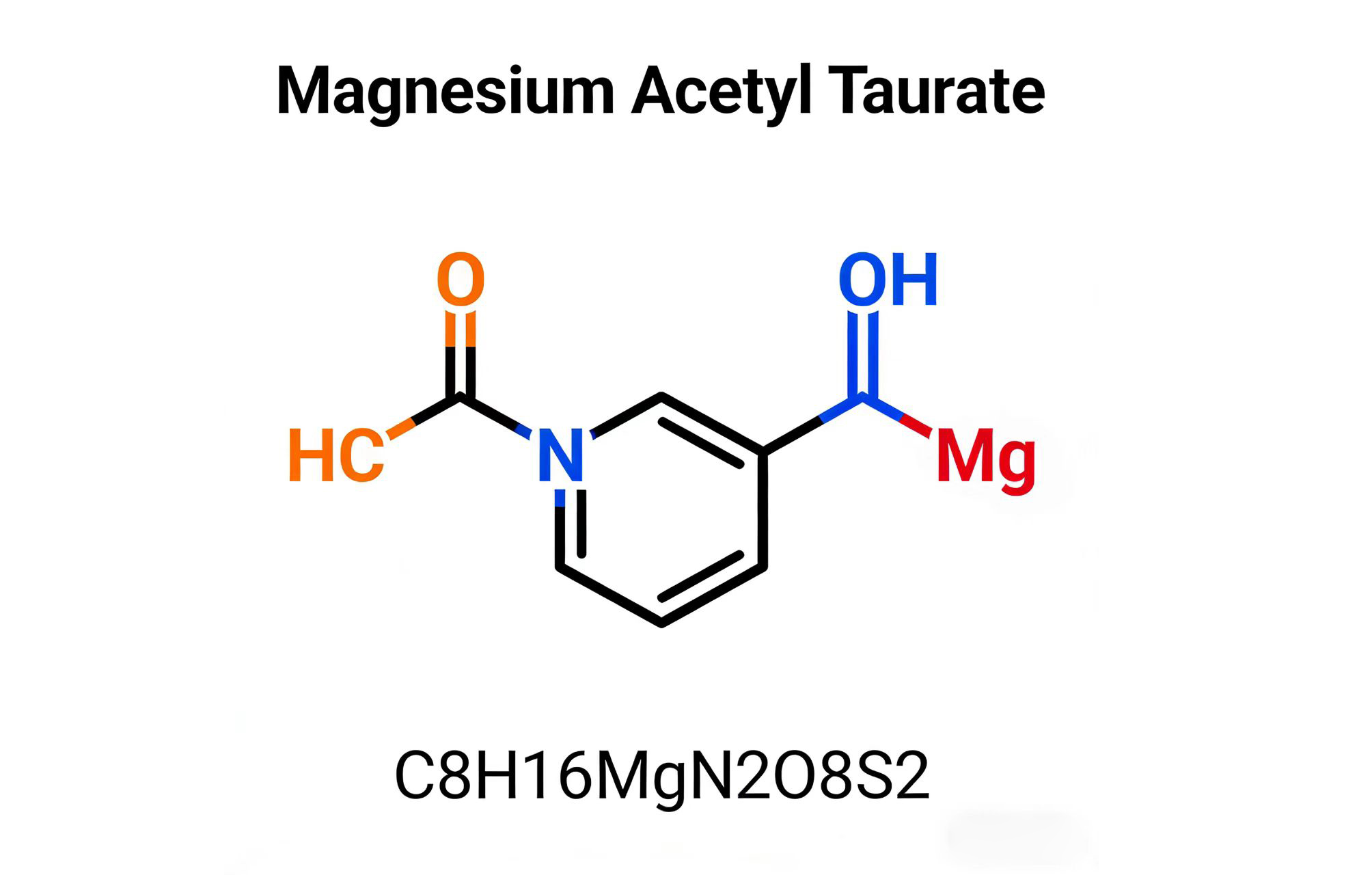
If you want, I can also break down the exact chemical formula and structure of Magnesium Acetyl Taurate—it’s a bit more technical but very precise. Do you want me to do that?
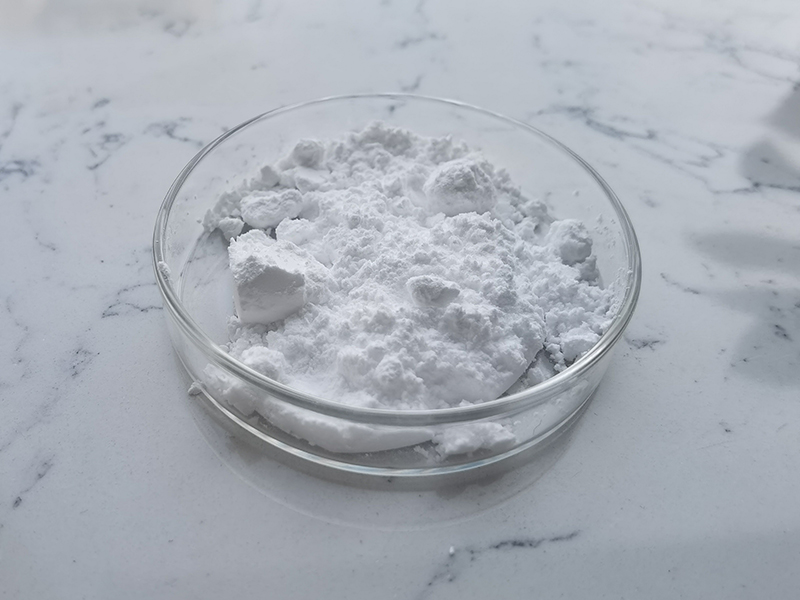
Adverse Effects of Magnesium Acetyl Taurate
Magnesium Acetyl Taurate (Mg-AT) is a form of magnesium chelated with acetyl taurine, often used as a supplement to support cardiovascular health, the nervous system, and metabolic function. While it is generally considered safe, like any magnesium compound, it can have adverse effects, especially if taken in high doses or by individuals with certain health conditions. Here’s a detailed overview:
1. Gastrointestinal Effects
Diarrhea or loose stools: Magnesium can have an osmotic effect in the intestines.
Nausea or stomach cramps: Some individuals may experience mild GI discomfort.
Bloating or gas: Less common but possible with higher doses.
2. Cardiovascular Effects
Usually, Magnesium Acetyl Taurate is beneficial for the heart, but excessive magnesium may cause:
- Low blood pressure (hypotension)
- Bradycardia (slow heart rate)
Rare and typically associated with very high doses or kidney dysfunction.
3. Neurological Effects
At high doses:
- Drowsiness or lethargy
- Muscle weakness
These effects are uncommon at recommended supplementation levels.
4. Electrolyte Imbalance
Over-supplementation can lead to hypermagnesemia, especially in individuals with kidney impairment. Symptoms include:
- Confusion
- Irregular heartbeat
- Respiratory distress in severe cases
5. Allergic Reactions
Rare but possible: rash, itching, or swelling (usually mild).
6. Interactions
Medications: Magnesium Acetyl Taurate may interfere with absorption of certain antibiotics (like tetracyclines or quinolones) and medications for blood pressure or diabetes.
Kidney disease: Those with impaired renal function should avoid high magnesium supplementation due to risk of toxicity.
Summary:
For healthy adults, Magnesium Acetyl Taurate is usually well-tolerated. Mild GI upset is the most common adverse effect. Serious complications are rare and typically occur only in overdose situations or in people with kidney problems.