
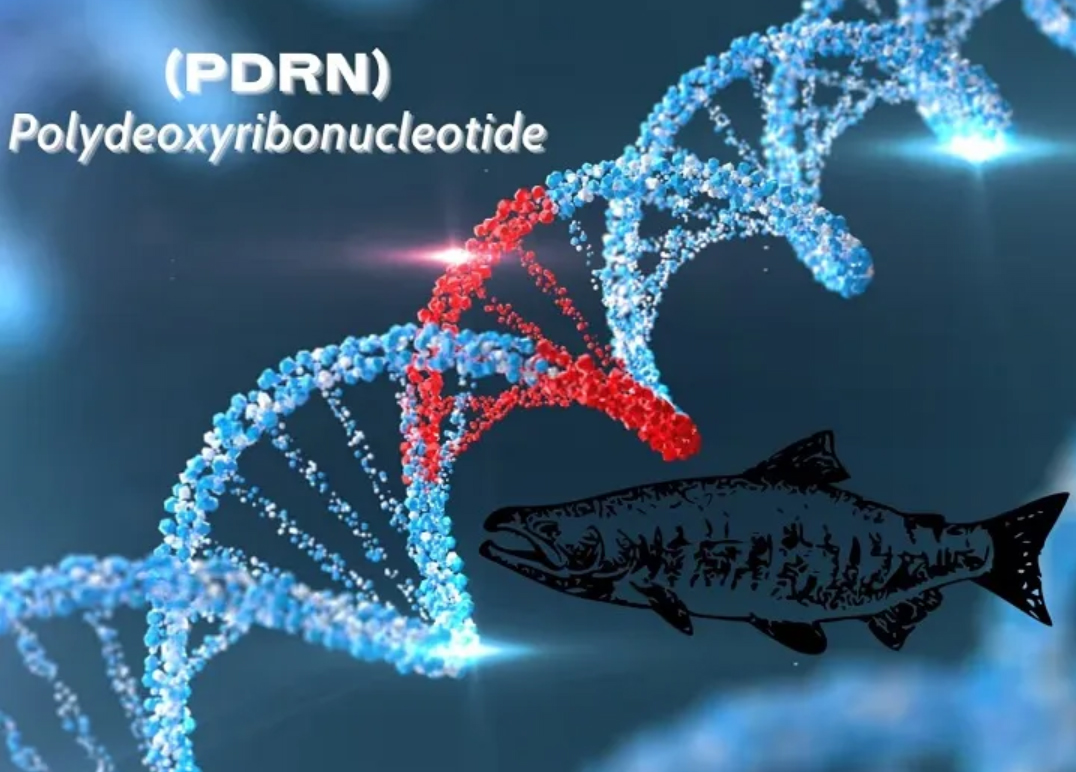
Polydeoxyribonucleotide (PDRN) is a DNA-derived bioactive substance commonly used in regenerative medicine for its tissue repair and anti-inflammatory properties. It is typically extracted from salmon or trout DNA and works by supporting cell regeneration and improving microcirculation.
Main uses of Polydeoxyribonucleotide (PDRN)
1. Wound healing
- Accelerates repair of chronic wounds (e.g., diabetic ulcers, pressure sores)
- Promotes faster re-epithelialization of damaged skin
- Enhances tissue regeneration in burns and surgical wounds
2. Aesthetic dermatology
- Improves skin elasticity and hydration
- Reduces fine lines and signs of aging
- Used in skin rejuvenation injections (“skin boosters”)
- Helps repair UV-damaged skin
3. Orthopedic applications
- Used to support recovery in tendon, ligament, and joint injuries
- May reduce inflammation in degenerative joint conditions (e.g., osteoarthritis)
4. Ophthalmology
- Used in some eye drop formulations for corneal injury
- Supports healing of corneal epithelial damage and dry eye-related surface issues
5. Anti-inflammatory and tissue protection
- Activates adenosine A2A receptors, which helps reduce inflammation
- Improves local blood supply (angiogenesis), aiding tissue recovery
Key mechanism (simple view)
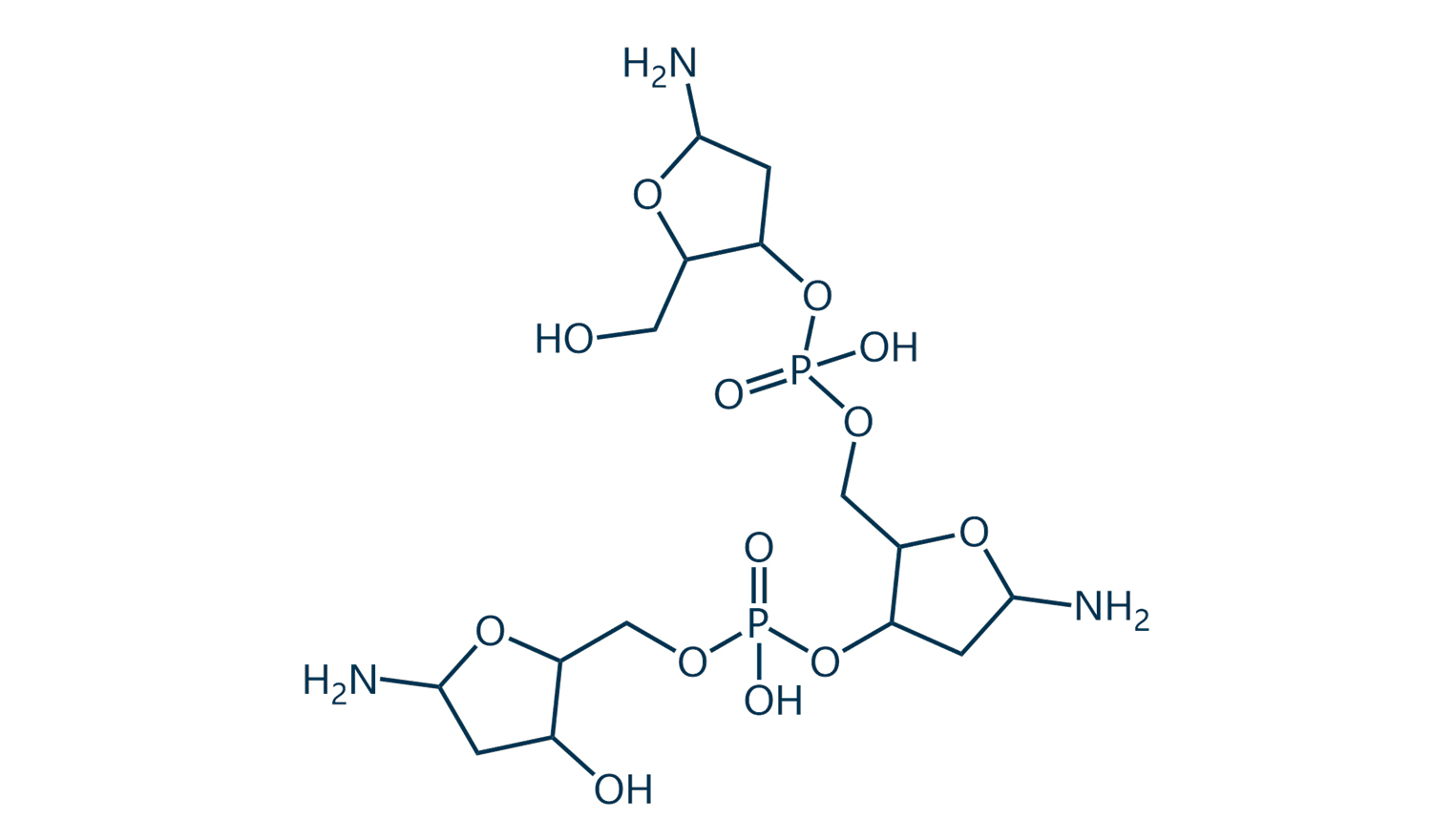
Polydeoxyribonucleotide supplies nucleotides (DNA building blocks), which cells use to:
- Repair damaged DNA
- Increase fibroblast activity
- Stimulate growth factors like VEGF (vascular endothelial growth factor)
Summary
Polydeoxyribonucleotide is mainly used for tissue regeneration, skin rejuvenation, wound healing, and anti-inflammatory therapy, especially in dermatology and regenerative medicine.
If you want, I can also explain how it works at the molecular pathway level or compare it with PRP (platelet-rich plasma).