
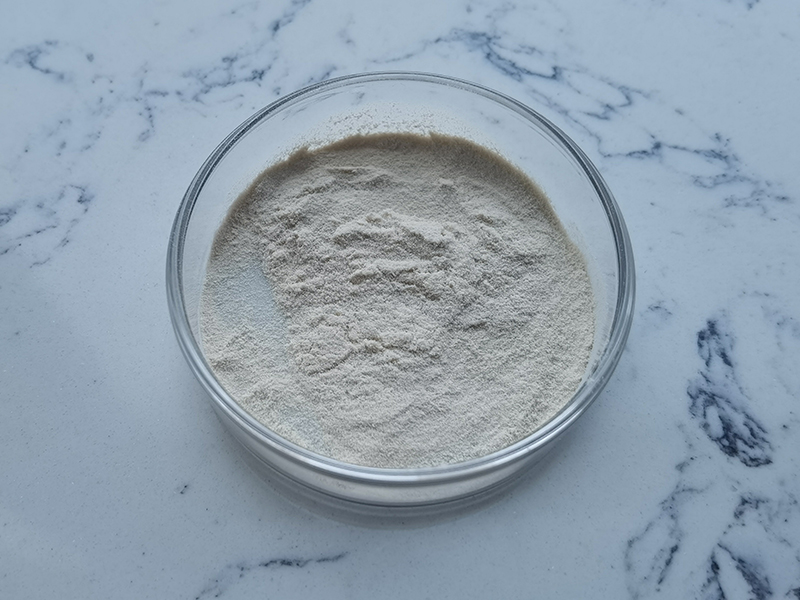
Polydeoxyribonucleotide(PDRN) is a mixture of deoxyribonucleotide polymers that has been studied mainly for tissue repair, wound healing, and anti-inflammatory effects, especially in dermatology and aesthetic medicine.
1. Effectiveness (what it does and how well it works)
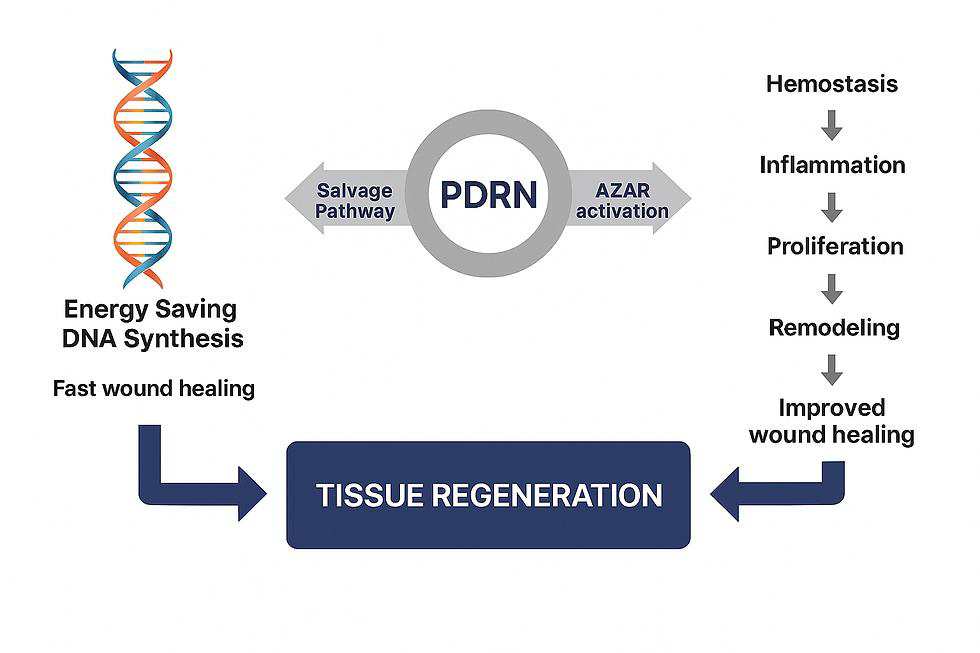
A. Wound healing and tissue repair
Polydeoxyribonucleotide(PDRN) is most established for:
- Chronic wounds (e.g., diabetic ulcers, pressure ulcers)
- Post-surgical wound healing
- Burn recovery
Mechanism (key idea):
Activates the adenosine A2A receptor pathway
Promotes:
- Fibroblast proliferation
- Collagen synthesis
- Angiogenesis (new blood vessel formation)
- Reduced inflammatory cytokines
Clinical studies generally show moderate to good improvement in healing rates, especially when used as an adjunct therapy.
B. Skin regeneration / aesthetic use
Common cosmetic uses:
- Skin rejuvenation (“skin booster” injections)
- Improved elasticity and hydration
- Reduction of fine lines and post-inflammatory damage
- Support for acne scar recovery
Evidence level:
- Small-to-moderate clinical studies and dermatology practice data
- Results are usually gradual and cumulative, not immediate
C. Anti-inflammatory effects
- Reduces inflammatory mediators (e.g., TNF-α, IL-6)
- Helps calm tissue irritation and oxidative stress
2. Side effects
Polydeoxyribonucleotide(PDRN) is generally considered well tolerated, especially compared with stronger regenerative injectables, but side effects can occur.
Common side effects
- Injection site pain or burning
- Redness, swelling, or mild bruising
- Temporary itching or tenderness
Less common / rare
- Allergic reactions (rash, urticaria)
- Local infection (if injection technique is poor)
- Small nodules or uneven texture at injection sites (rare)
3. Special precautions
A. Allergy risk
Avoid or use caution if allergic to:
- Fish or seafood (many PDRN products are salmon-derived DNA)
B. Pregnancy and breastfeeding
- Safety data is insufficient
- Generally not recommended unless medically justified
C. Autoimmune or immune-related conditions
- Theoretical concern: immune modulation via adenosine pathways
- Not absolutely contraindicated, but should be used cautiously
D. Injection safety
If used in mesotherapy or injection form:
- Must be administered by trained professionals
- Sterile technique is critical to avoid infection
- Avoid overuse or too-frequent sessions (may increase irritation risk)
E. Drug/therapy combinations
Often combined with:
- Hyaluronic acid
- Microneedling / laser procedures
Precaution:
- Do not combine with aggressive procedures on the same day unless clinically planned
4. Overall assessment
- Effectiveness: Moderate to strong for wound healing; moderate for cosmetic skin rejuvenation
- Safety profile: Generally favorable
- Limitations: Evidence is stronger in medical wound care than in anti-aging aesthetics; results vary by dose, delivery method, and condition severity
If you want, I can also compare Polydeoxyribonucleotide(PDRN) vs PN (polynucleotide fillers like Rejuran) or explain why PDRN activates the adenosine A2A receptor pathway in more detail.