
Glycosylglycerol is a naturally derived compound made by combining a sugar (glycosyl group) with glycerol. It’s widely used in skincare and cosmetics for its strong hydrating, protective, and skin-repairing properties.
What exactly is it?
- Chemical nature: A glycoside (sugar + alcohol structure)
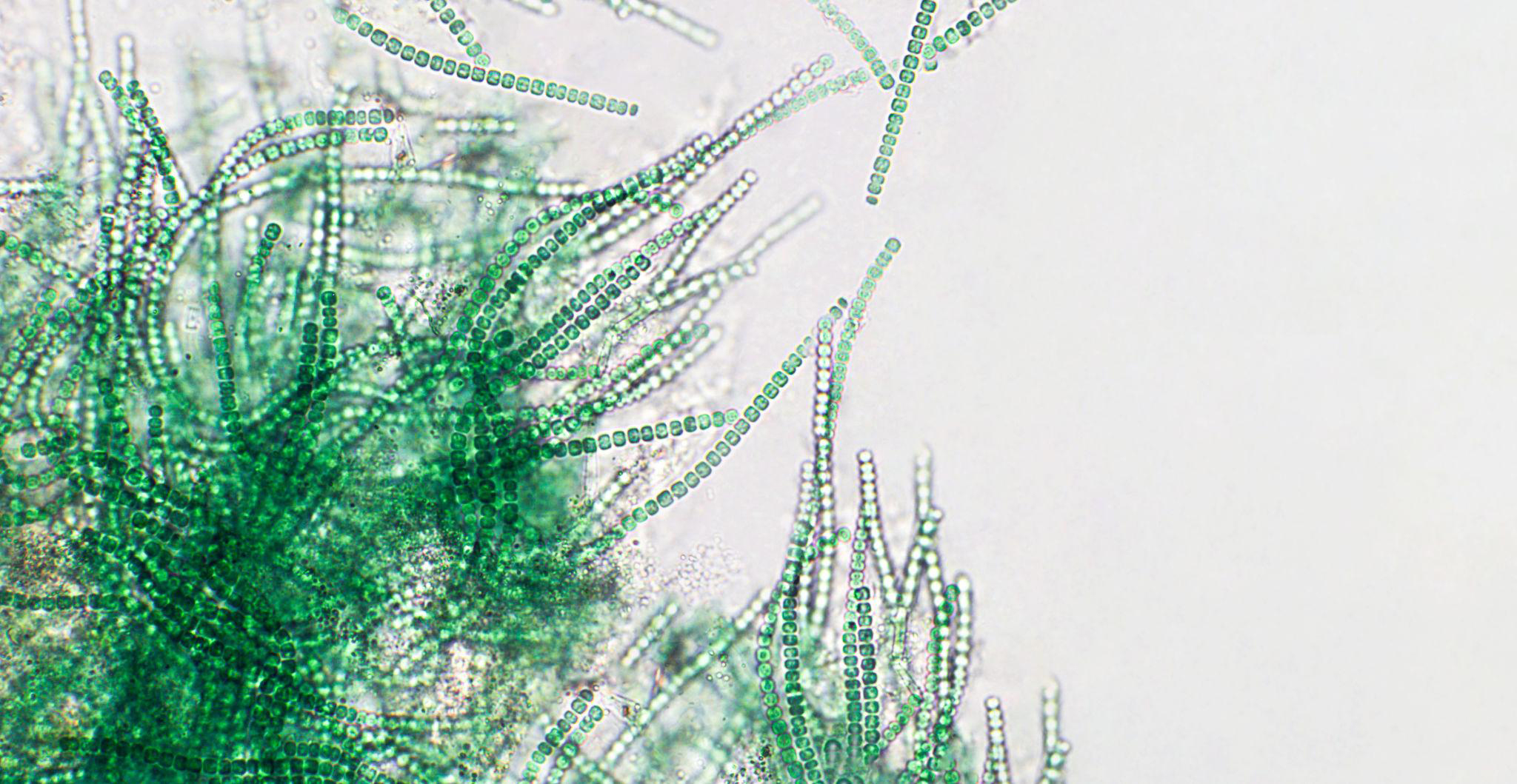
- Common form: Often derived from marine microorganisms (like algae or extremophiles)
- Water-soluble: Easily integrates into skincare formulations
Key Functions in Skin Care
1. Deep Hydration
- Acts as a powerful humectant (attracts and retains water)
- Helps maintain long-lasting skin moisture
- Supports the skin’s natural hydration system
2. Strengthens Skin Barrier
- Enhances the epidermal barrier function
- Reduces transepidermal water loss (TEWL)
- Makes skin more resistant to environmental stress
3. Cellular Protection & Repair
- Protects skin cells from UV and oxidative stress
- Helps improve cell survival under harsh conditions
- Supports overall skin resilience
4. Anti-Aging Support
- Indirectly reduces signs of aging by improving hydration
- Smooths fine lines caused by dryness
- Promotes healthier-looking, plumper skin
Where Does It Come From?
- Originally discovered in extremophilic microorganisms (organisms that survive harsh environments like high salt or dryness)
- These organisms produce Glycosylglycerol to retain water and survive dehydration—a property useful for human skin
Common Uses
- Moisturizers and hydrating serums
- Anti-aging formulations
- Sensitive skin products
- After-sun and protective skincare
Benefits Summary
- Long-lasting hydration
- Barrier repair
- Environmental protection
- Suitable for most skin types (including sensitive skin)
If you want, I can compare Glycosylglycerol vs Hyaluronic Acid or explain how it’s used in formulations at a technical level.