
Sepiwhite MSH is a cosmetic skin-brightening active ingredient developed and marketed by Seppic. Its INCI name is Undecylenoyl Phenylalanine, a lipoamino acid derived from L-phenylalanine and an undecylenoyl fatty-acid chain.
What does Sepiwhite MSH do?
Its primary purpose is to reduce excessive melanin production and improve uneven skin tone. Unlike conventional brightening agents that mainly target tyrosinase directly, Sepiwhite MSH works further upstream in the melanogenesis signaling pathway.
The proposed mechanism is:
α-MSH signaling → melanocyte stimulation → tyrosinase activation → melanin production
Sepiwhite MSH modulates/antagonizes the α-MSH pathway, thereby reducing the metabolic activation of tyrosinase and ultimately decreasing melanin synthesis.
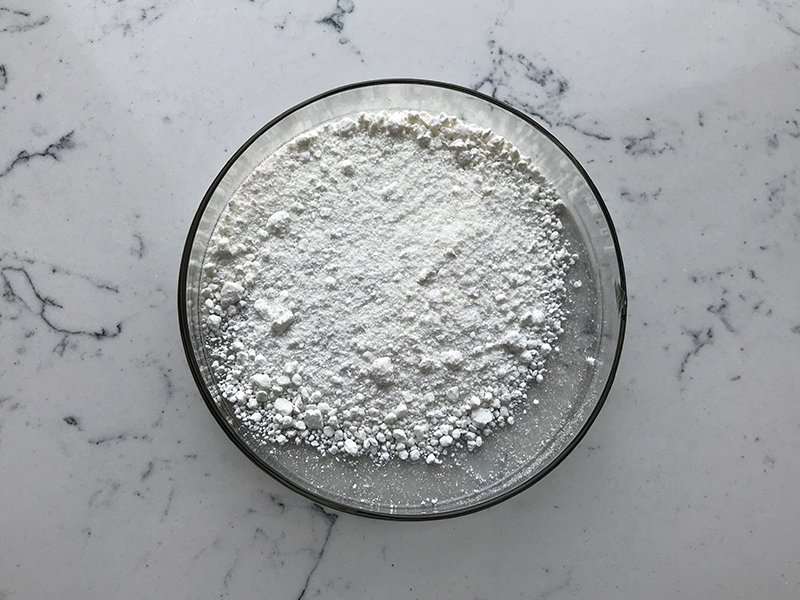
Key characteristics
| Property | Sepiwhite MSH |
| INCI name | Undecylenoyl Phenylalanine |
| CAS No. | 175357-18-3 |
| Molecular formula | C₂₀H₂₉NO₃ |
| Molecular weight | ~331.4 g/mol |
| Ingredient type | Lipoamino-acid cosmetic active |
| Primary function | Skin brightening / pigmentation control |
| Target pathway | α-MSH–related melanogenesis signaling |
| Typical recommended level | 2% for the standard Sepiwhite MSH material |
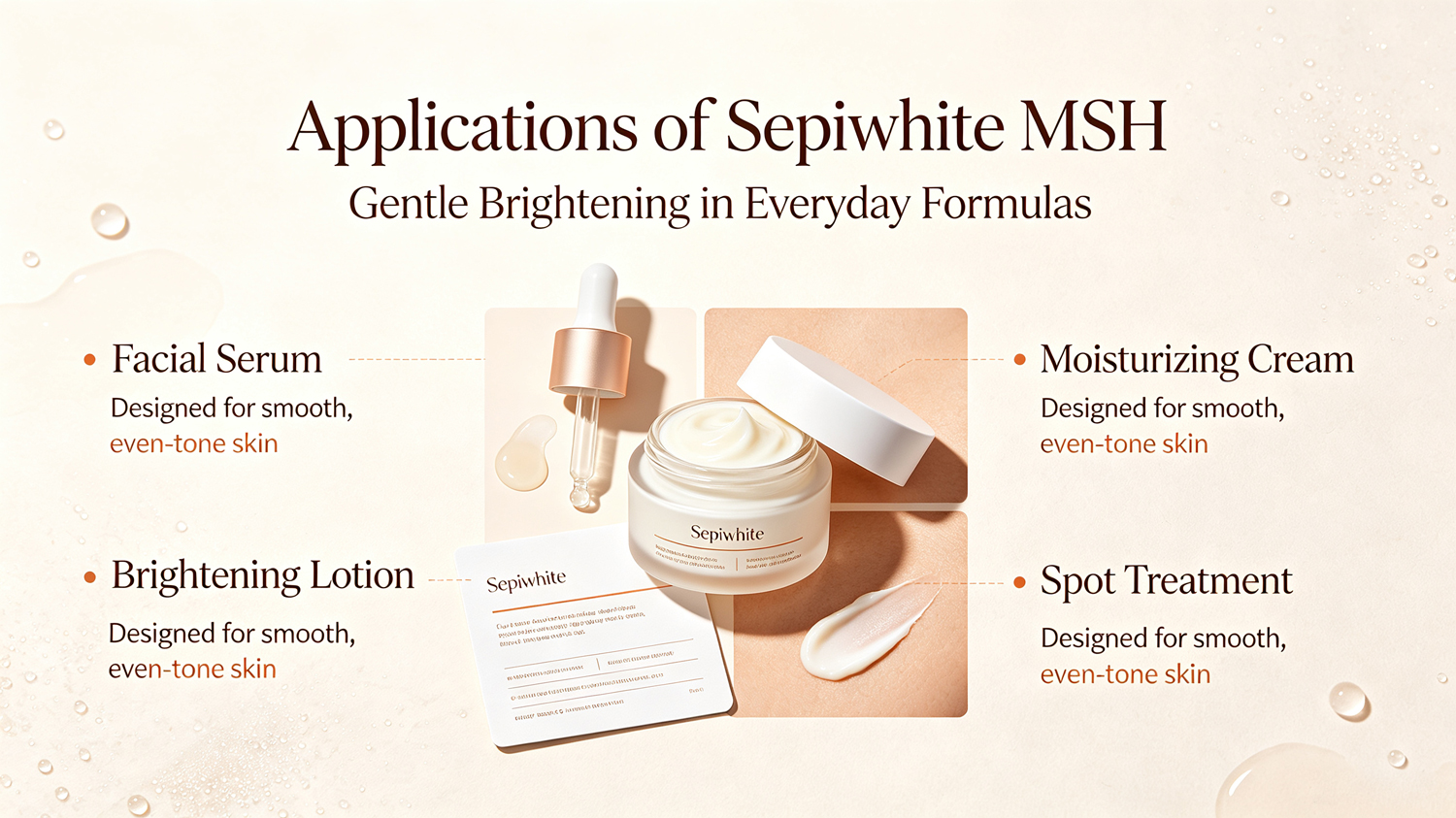
| Main applications | Serums, creams and facial brightening products |
The chemical identity and molecular data are documented by PubChem and the FDA Substance Registration System.
Why is it called “MSH”?
MSH refers to melanocyte-stimulating hormone, particularly α-melanocyte-stimulating hormone (α-MSH). α-MSH is an important biological signal involved in stimulating melanocytes to produce melanin.
Sepiwhite MSH was designed to interfere with this signaling pathway. Seppic describes it as an α-MSH pathway modulator/antagonist that inhibits metabolic activation of tyrosinase.
What is it used for?
Sepiwhite MSH is mainly incorporated into formulations intended to address:
- Dark spots
- Uneven skin tone
- Post-inflammatory hyperpigmentation
- General dullness
- Sun-induced pigmentation
- Overall complexion brightening
Seppic reports efficacy across several skin tones and phototypes and describes both short-term brightening and longer-term improvement in complexion uniformity. These are supplier-reported cosmetic efficacy claims, so they should not be interpreted as equivalent to evidence from large independent clinical trials.
In simple terms
Sepiwhite MSH = Undecylenoyl Phenylalanine = an upstream melanin-regulating cosmetic active.
Its main advantage is that it doesn’t simply try to inhibit the tyrosinase enzyme itself; instead, it is designed to reduce the melanocyte stimulation signal that promotes tyrosinase activity and melanin formation.
It is therefore particularly interesting in formulations combining several complementary brightening mechanisms, such as niacinamide, vitamin C derivatives, alpha-arbutin, tranexamic acid, or exfoliating acids. Its suitability and stability depend on the complete formulation.
Seppic’s official Sepiwhite MSH information
If you’re studying Sepiwhite MSH in depth, the next useful topics are its chemical structure and physical properties, detailed mechanism of action, efficacy, benefits, side effects/precautions, recommended formulation concentration, and Sepiwhite MSH vs. alpha-arbutin/niacinamide/tranexamic acid.