
Ergothioneine is a naturally occurring antioxidant that is found in certain foods (like mushrooms, oats, and organ meats) and is also present in the human body. It is sometimes considered for supplementation due to its potential health benefits. Here’s a summary of its effectiveness, possible side effects, and special precautions:
Effectiveness of Ergothioneine:
Ergothioneine has been researched for its potential benefits due to its strong antioxidant properties. Some of the potential benefits include:
- Antioxidant Action: It has been shown to help neutralize free radicals, which can damage cells and lead to aging and diseases. This could contribute to reducing oxidative stress, which is linked to various chronic conditions like heart disease, cancer, and neurodegenerative diseases.
- Cell Protection: It may protect cells from damage caused by oxidative stress and inflammation, potentially offering neuroprotective effects. This has led to interest in its role in diseases like Alzheimer’s and Parkinson’s.
- Anti-inflammatory Properties: Ergothioneine may help in reducing inflammation in the body, which is beneficial for conditions like arthritis or cardiovascular disease.
- Liver Health: There is some evidence suggesting ergothioneine could support liver function and health, protecting liver cells from damage.
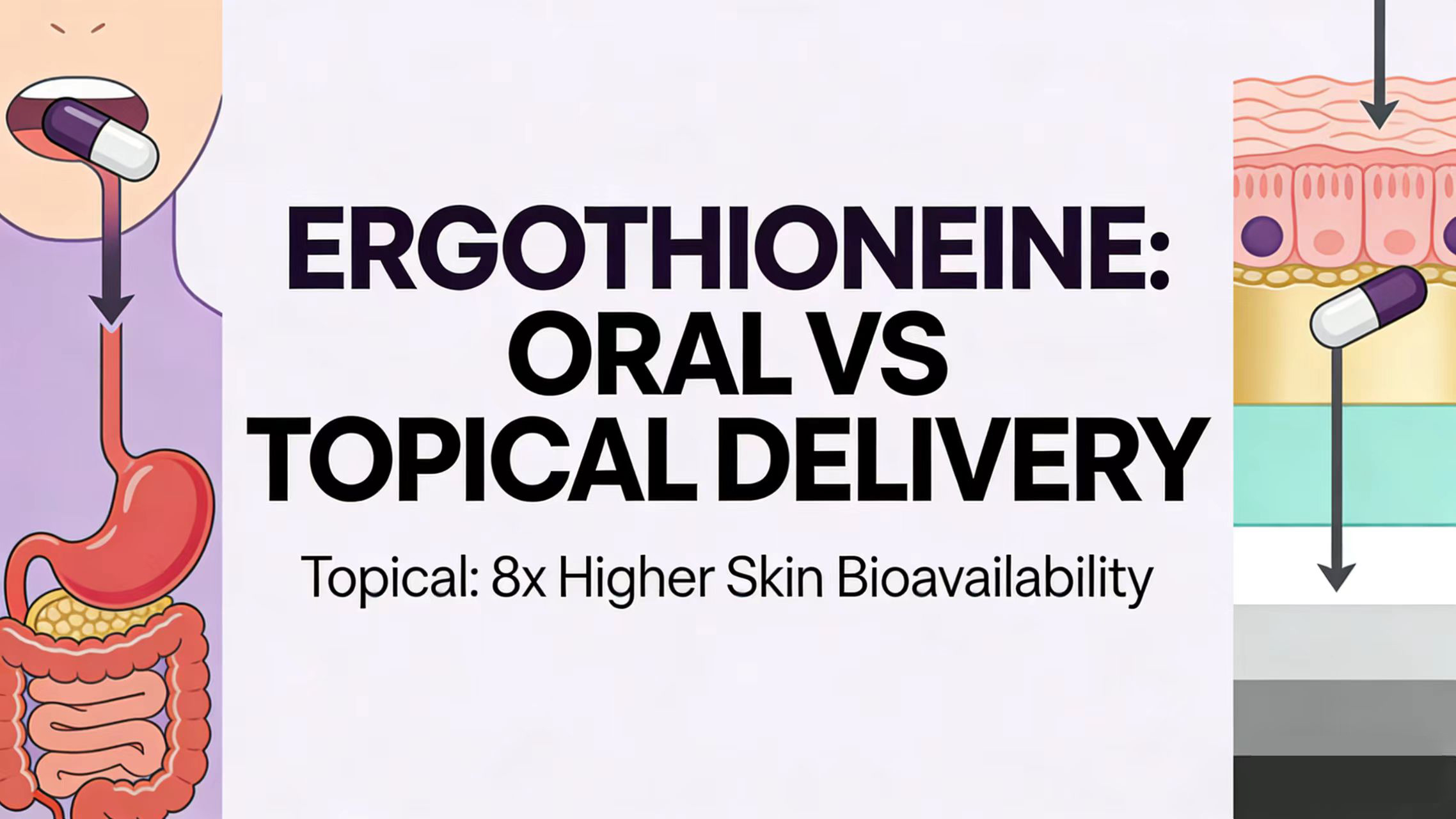
- Skin Health: Given its antioxidant nature, ergothioneine may have skin-protective benefits, helping to prevent damage from environmental factors like UV rays and pollution.

Side Effects of Ergothioneine:
Ergothioneine is generally regarded as safe, particularly when obtained from dietary sources. However, like any supplement, it could cause side effects in some individuals, especially when taken in high doses or if a person has specific sensitivities. Some potential side effects include:
- Allergic Reactions: While rare, some people may experience allergic reactions, such as rashes or gastrointestinal issues.
- Gastrointestinal Discomfort: In higher doses, it could cause mild gastrointestinal discomfort, such as bloating, nausea, or diarrhea.
- Interactions with Medications: There is currently no well-established evidence of interactions with common medications, but because it has antioxidant properties, it could theoretically affect how certain medications work, particularly those with oxidative stress mechanisms.
Special Precautions of Ergothioneine:
- Pregnancy and Breastfeeding: There isn’t enough reliable information about the safety of ergothioneine during pregnancy or breastfeeding. Therefore, it’s recommended to avoid supplementation unless advised by a healthcare provider.
- Underlying Conditions: If you have any underlying medical conditions, particularly kidney or liver issues, it is crucial to consult a healthcare professional before starting supplementation.
- Dosage and Long-Term Use: Since Ergothioneine is generally safe in food, its long-term effects from supplementation have not been well studied. It’s important to use it under medical supervision if taking it for extended periods.
- Dietary Considerations: If you are following a specific dietary restriction (e.g., vegan or vegetarian), ergothioneine might be more limited in your diet as it is primarily found in animal-based foods and fungi.
Conclusion:
Ergothioneine holds promise due to its antioxidant and anti-inflammatory effects, but more research is needed to fully understand its effectiveness and long-term safety, particularly in supplement form. If considering it as a supplement, consulting with a healthcare provider is advisable to ensure it’s appropriate for your health needs.