
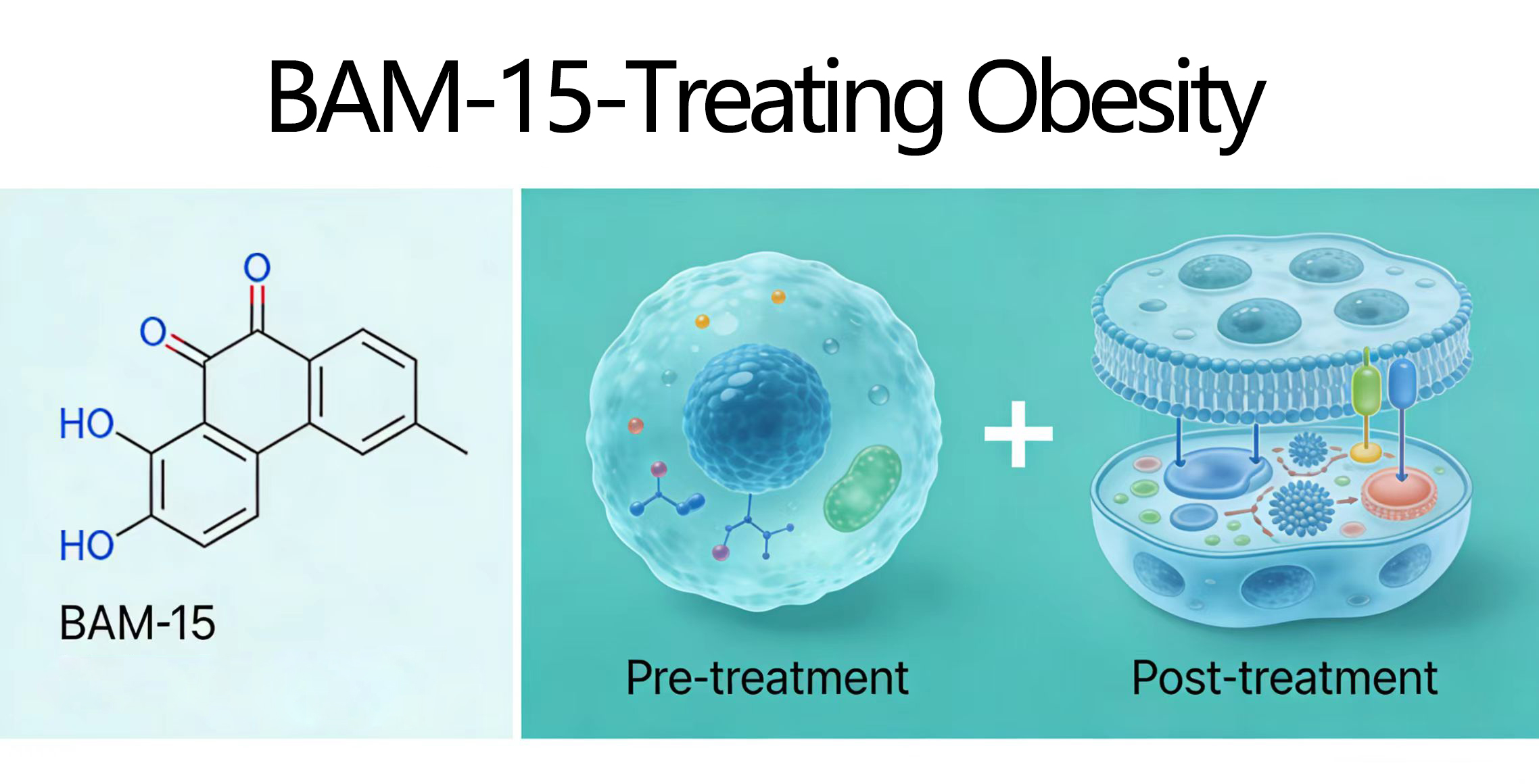
BAM-15 is an experimental compound primarily studied as a mitochondrial uncoupler and is being explored for treating obesity and metabolic disorders. Here’s a detailed overview of how it relates to obesity treatment:
Mechanism in Obesity
1. Mitochondrial Uncoupling
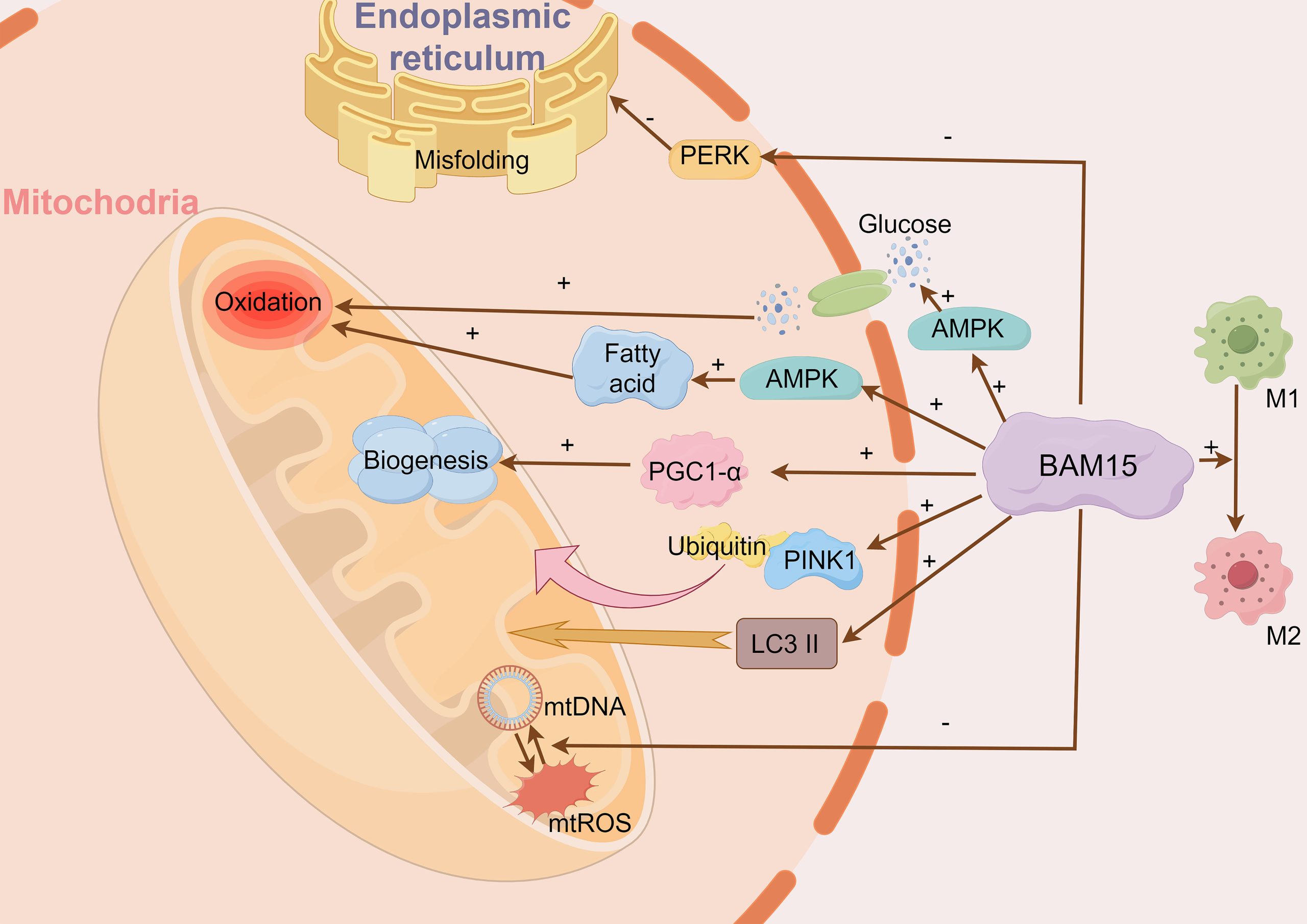
- BAM-15 works by uncoupling oxidative phosphorylation in mitochondria.
- Normally, mitochondria use energy from food to produce ATP efficiently. BAM-15 makes the mitochondria “leak” protons, producing heat instead of storing energy as fat.
2. Increased Energy Expenditure
- By dissipating energy as heat, BAM-15 increases basal metabolic rate without requiring additional exercise.
- This can lead to weight loss even in the presence of excess calories.
3. Improved Metabolic Health
Studies in rodents have shown that BAM-15 can improve:
- Glucose tolerance
- Insulin sensitivity
- Lipid metabolism, reducing fat accumulation in the liver and adipose tissue.
Advantages Over Other Uncouplers
Unlike older mitochondrial uncouplers like DNP (2,4-dinitrophenol):
- BAM-15 is targeted to mitochondria, reducing systemic toxicity.
- It has shown fewer adverse effects in preclinical studies.
- Potential for long-term use in metabolic therapy.
Current Research Stage
Mostly preclinical (animal studies).
Human clinical trials are limited or not yet conducted.
Research focuses on:
- Safety profile
- Optimal dosing
- Long-term metabolic effects
Potential Considerations
- Side effects are still being studied; mitochondrial uncouplers can, in theory, cause hyperthermia, excessive energy loss, or metabolic stress if not carefully dosed.
- Not approved for clinical use yet; experimental therapy.
In summary, BAM-15 is a promising next-generation metabolic uncoupler that targets energy metabolism, showing potential for treating obesity by increasing energy expenditure and improving metabolic health.
If you want, I can make a comparison table of BAM-15 vs traditional weight-loss drugs and uncouplers to see why it might be safer and more effective. Do you want me to do that?