
Ergothioneine is a naturally occurring amino acid derivative with antioxidant properties. It is unique because it contains a sulfur-containing imidazole ring, which contributes to its strong antioxidant activity. Ergothioneine is primarily found in certain foods, particularly mushrooms, as well as in some organ meats, such as liver and kidneys, and in smaller amounts in other foods like beans, oats, and wheat.
Origin of Ergothioneine:
Ergothioneine was first discovered in 1909 by the chemist David R. L. Stevens who isolated it from a substance found in the fungus Ergot (Claviceps purpurea), which is where it gets its name. The name “ergothioneine” comes from “ergot,” the fungus from which it was initially isolated, and “thioneine,” referring to the sulfur-containing component of its structure.

Nature of Ergothioneine:
Ergothioneine is classified as an amino acid derivative, but it is not incorporated into proteins. It has a unique structure, featuring a thione group (sulfur-containing) attached to an imidazole ring, which is crucial for its biological function. Ergothioneine acts as a potent antioxidant, protecting cells from oxidative stress and damage caused by free radicals. This antioxidant property is particularly important in protecting the mitochondria, the powerhouse of the cell, where oxidative damage is most prevalent.
Introduction and Occurrence of Ergothioneine:
Ergothioneine is synthesized by certain microorganisms, including fungi and bacteria, but humans and other animals cannot produce it. Instead, it must be obtained through the diet. Humans primarily acquire ergothioneine through consumption of foods like mushrooms, particularly varieties such as Agaricus bisporus (common white button mushrooms) and Lentinula edodes (shiitake mushrooms). It can also be found in small quantities in other foods such as meat, especially liver and kidneys, and some grains and legumes.
Health Implications of Ergothioneine:
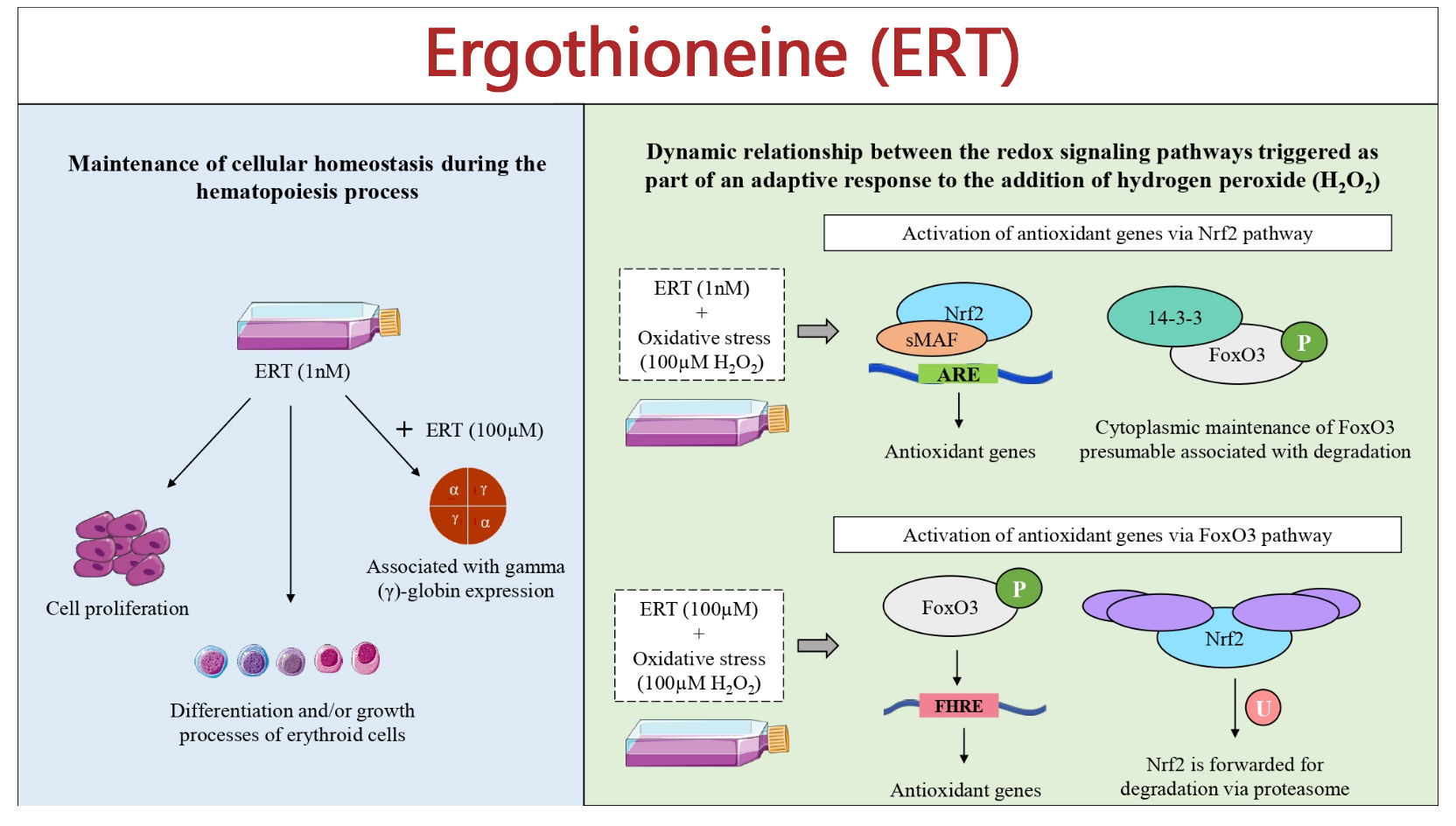
In recent years, there has been increasing interest in the potential health benefits of ergothioneine. It is believed to have various physiological effects, including anti-inflammatory properties, the potential to support immune function, and the ability to protect cells from oxidative stress. Research has suggested that ergothioneine might play a role in protecting against neurodegenerative diseases, cardiovascular conditions, and even in delaying the aging process. However, further research is needed to fully understand its therapeutic potential.
Introduction to Human Nutrition:
While Ergothioneine has been known for over a century, it was only in the past few decades that its significance to human health has begun to be more widely appreciated. The discovery of the specific transport system in the human body that selectively transports ergothioneine to various tissues, including the brain, liver, and kidneys, has sparked further interest in its biological roles.
In summary, ergothioneine is a unique, sulfur-containing amino acid derivative that is primarily sourced from certain foods and microorganisms. It plays a crucial role in protecting the body from oxidative damage and has potential health benefits, although further studies are required to fully understand its therapeutic uses.