
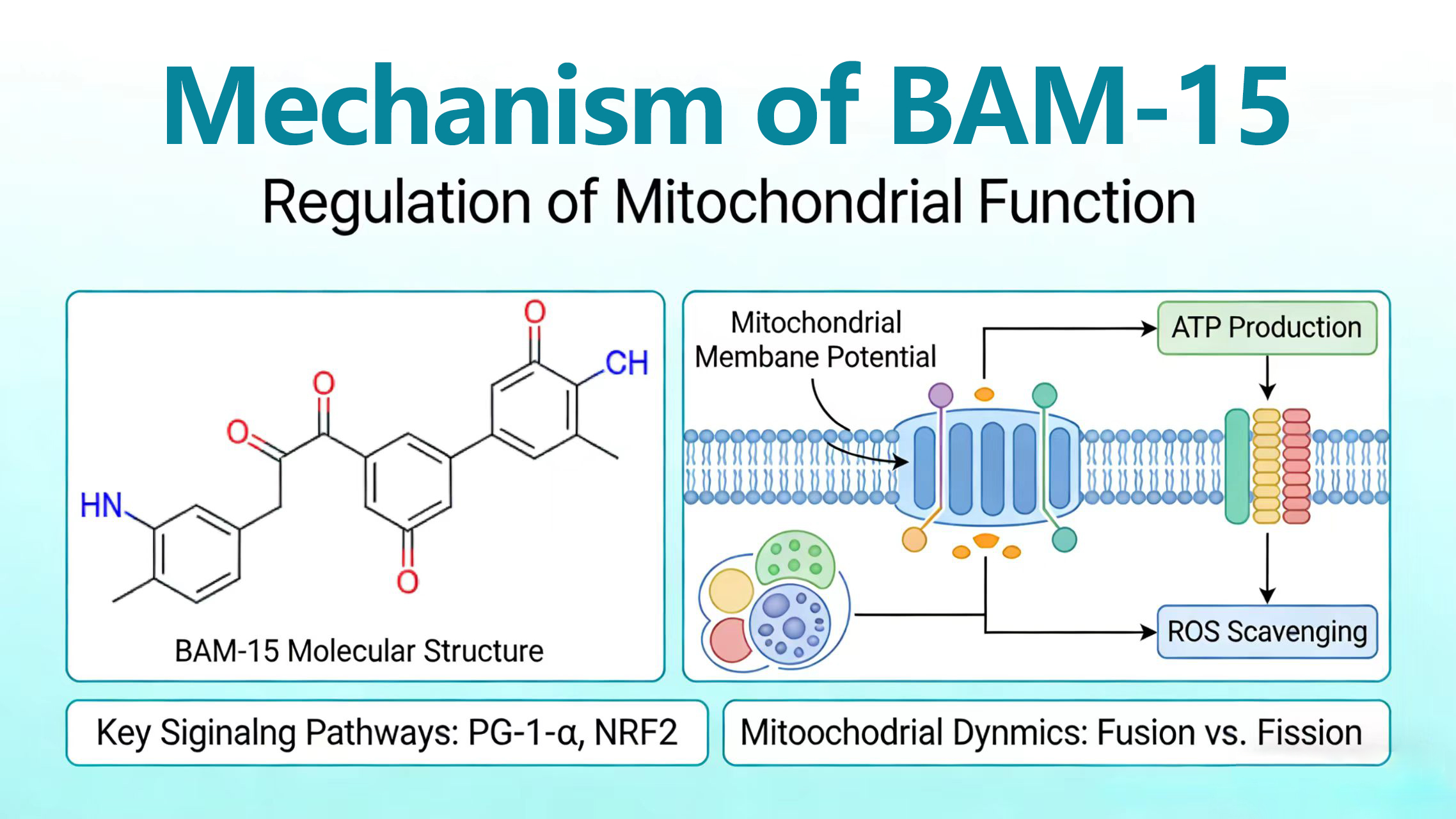
BAM-15 is a mitochondrial uncoupler, and its mechanism revolves around modulating mitochondrial energy metabolism. Let’s break it down step by step:
1. Mitochondrial Uncoupling
- Normally, mitochondria generate ATP via oxidative phosphorylation, where the electron transport chain (ETC) pumps protons (H⁺) across the inner mitochondrial membrane, creating a proton gradient.
- This gradient powers ATP synthase, which produces ATP from ADP.
- BAM-15 dissipates this proton gradient by carrying protons back across the inner mitochondrial membrane, bypassing ATP synthase.
Result: Less ATP is produced per molecule of fuel (like glucose or fatty acids), but electron transport continues, and energy is released as heat.
2. Increase in Metabolic Rate
Because ATP production is less efficient, cells burn more fuel to maintain energy balance.
This leads to:
- Increased fatty acid oxidation
- Enhanced glucose utilization
- Overall higher energy expenditure
3. Mitochondrial Effects
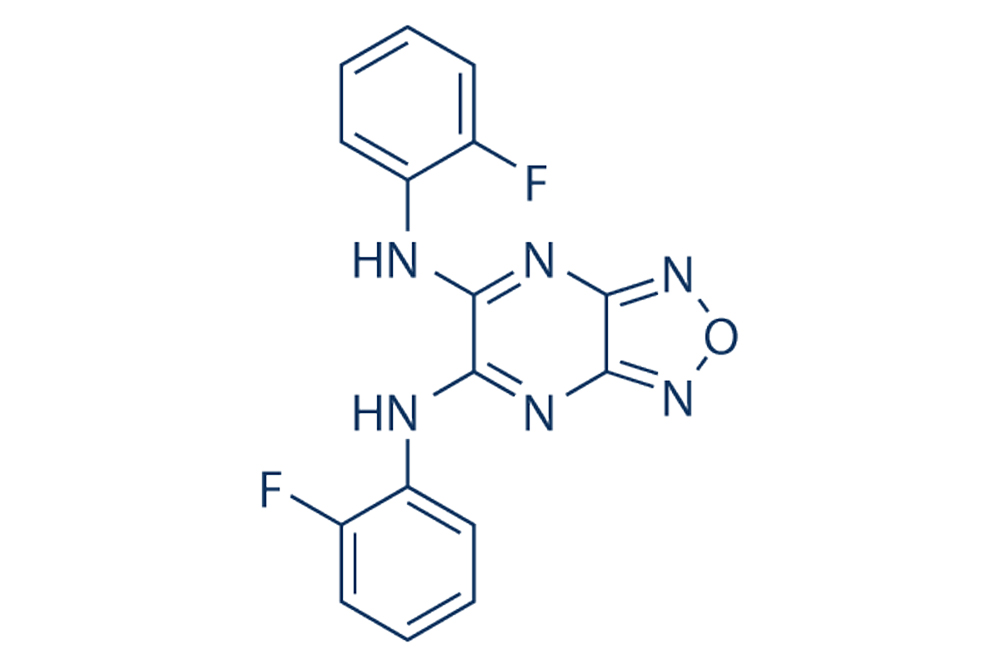
- BAM-15 is selective: it targets mitochondria without the extreme toxicity seen in older uncouplers like DNP.
- It maintains mitochondrial membrane potential at a safer level, avoiding cell death in normal doses.
- It reduces reactive oxygen species (ROS) production, because mild uncoupling lowers electron “backpressure” on the ETC.
4. Systemic Effects (Observed in Animal Studies)
- Promotes weight loss and reduces fat accumulation
- Improves insulin sensitivity
- Protects against diet-induced obesity
- Increases thermogenesis (heat production) without severe hyperthermia
In short:
BAM-15 uncouples oxidative phosphorylation, forcing mitochondria to burn more fuel for the same amount of ATP, increasing energy expenditure and heat production, while being safer than classic uncouplers.
If you want, I can also make a clear diagram showing exactly how BAM-15 shuttles protons across the mitochondria, which makes the mechanism visually easy to grasp. Do you want me to do that?