
Glycosylglycerol (GG)—often referring to glucosylglycerol—is a naturally occurring small molecule composed of a sugar (glucose) linked to glycerol. It belongs to a class of compounds known as compatible solutes (osmolytes) that help organisms survive environmental stress.
Origin of Glycosylglycerol
Natural sources:
Glycosylglycerol is primarily found in:
- Cyanobacteria (blue-green algae)
- Certain microalgae and marine microorganisms
Biological role:
These organisms produce glycosylglycerol to adapt to high-salt or dehydrating environments. It helps maintain cellular balance without disrupting normal biochemical processes.
Industrial production:
Today, glycosylglycerol used in cosmetics or research is typically:
- Produced via biotechnology (fermentation)
- Or synthesized enzymatically for purity and scalability
Key Properties
1. Chemical Properties
- Molecular type: Glycoside (sugar + glycerol)
- Water solubility: Highly soluble in water
- Stability: Stable across a wide pH range
- Low molecular weight: Allows easy penetration in aqueous systems
2. Physical Characteristics
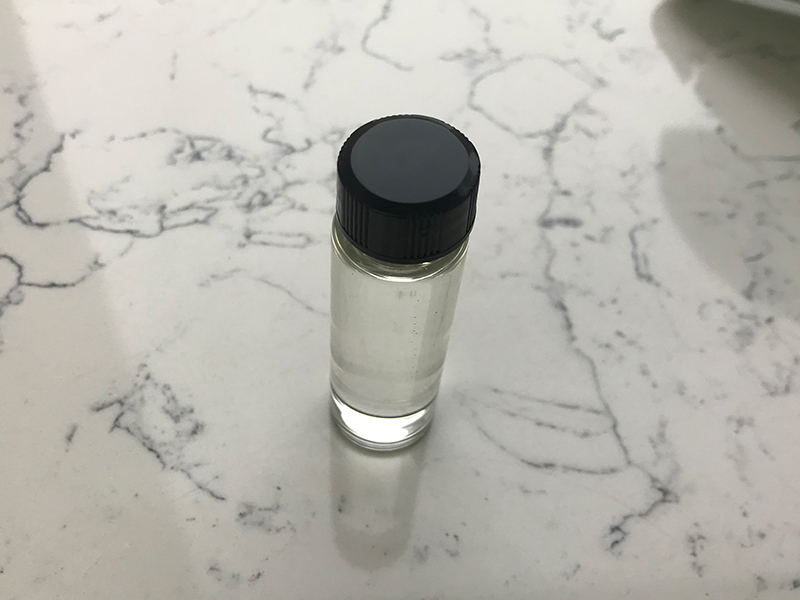
- Usually appears as: Colorless to slightly yellow liquid or powder
- Odorless or very mild odor
- Hygroscopic (absorbs moisture from surroundings)
3. Biological Properties
- Osmoprotectant: Protects cells from dehydration and osmotic stress
- Cell-compatible: Does not interfere with normal cellular metabolism
- Biodegradable & non-toxic: Safe for cosmetic and biological use
Functional Mechanisms (Why It’s Special)
- Water regulation: Helps retain and balance intracellular water
- Aquaporin stimulation: May enhance expression of water channels (e.g., aquaporin-3) in skin cells
- Cell protection: Stabilizes proteins and membranes under stress conditions
- Long-lasting hydration: Works beyond surface-level moisturization
Introduction & Applications
Glycosylglycerol has gained attention in cosmetics and dermatology due to its advanced hydration capabilities:
In Skincare
Deep hydration booster
Improves skin barrier function
Helps reduce dryness and roughness
Often used in:
- Serums
- Moisturizers
- Anti-aging formulations
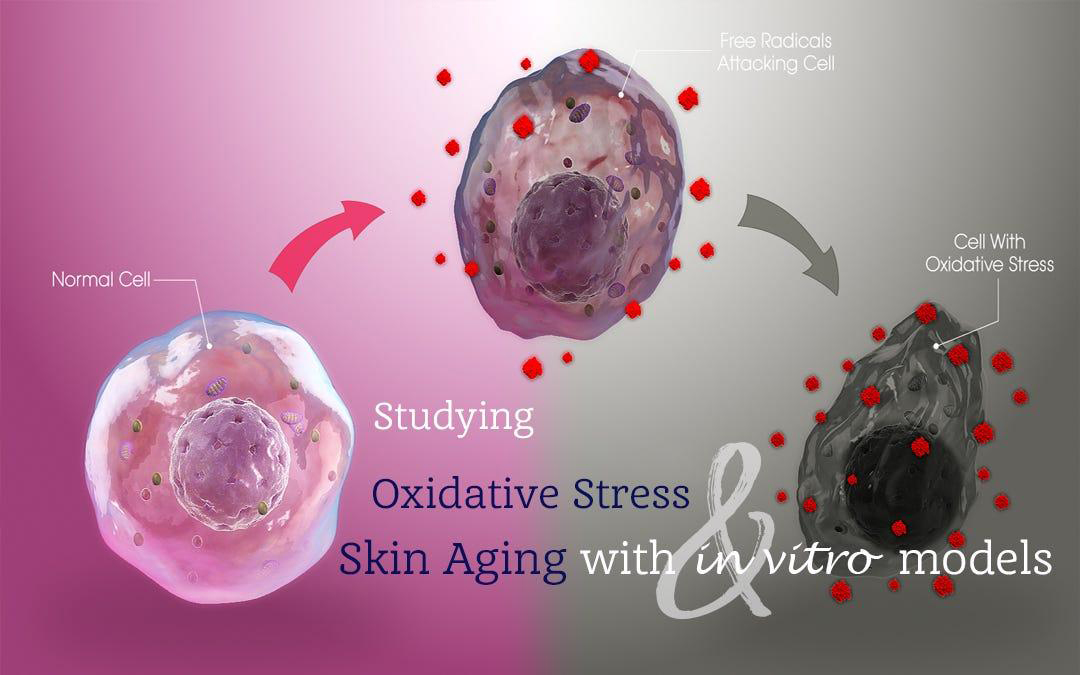
In Biotechnology & Research
Used to study osmotic stress responses
Potential applications in:
- Cell preservation
- Stress-resistance engineering
Summary
Glycosylglycerol is a naturally derived, highly effective osmolyte with excellent water-binding and protective properties. Originating from microorganisms that survive extreme environments, it has become a valuable ingredient in modern skincare and biotechnological applications, especially for deep, long-lasting hydration.