
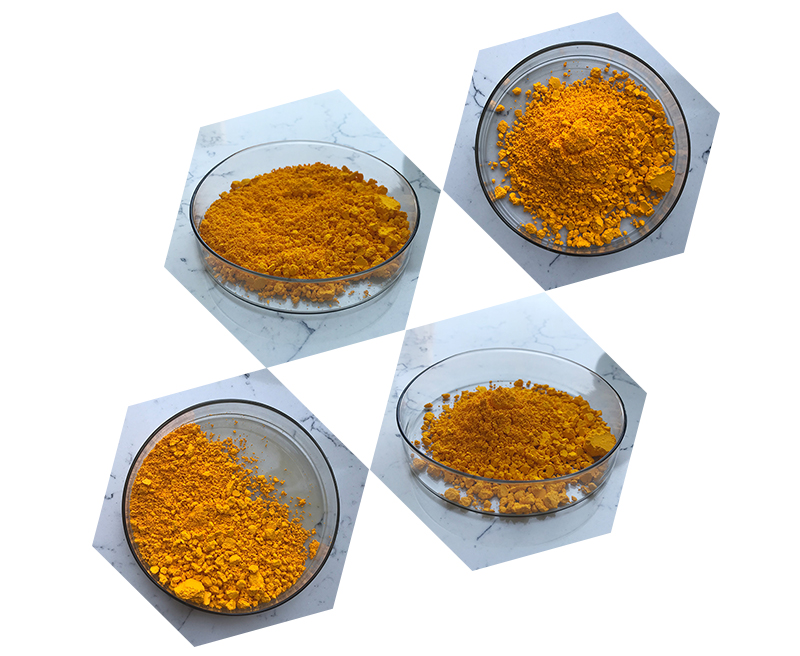
Riboflavin Sodium Phosphate is a water-soluble, phosphorylated form of riboflavin (vitamin B2). It is mainly used in pharmaceutical injections, nutritional supplementation, and clinical therapy, especially when rapid or reliable absorption of vitamin B2 is needed.
1. Basic nature and structure
It is the sodium salt of riboflavin-5′-phosphate
Chemically derived from riboflavin (vitamin B2) by adding a phosphate group
This modification makes it:
- Highly water-soluble
- More stable in injectable solutions than riboflavin itself
2. Main functions in the body
Once administered, it is quickly converted into active forms of vitamin B2:
- FMN (Flavin Mononucleotide)
- FAD (Flavin Adenine Dinucleotide)
These act as essential cofactors in:
- Energy production (mitochondrial electron transport chain)
- Fat, carbohydrate, and protein metabolism
- Antioxidant enzyme systems (e.g., glutathione reductase activity)
3. Medical and clinical uses
A. Vitamin B2 deficiency treatment
Used when there is:
Riboflavin deficiency (ariboflavinosis)
Symptoms like:
- Cracked lips (cheilosis)
- Tongue inflammation (glossitis)
- Skin disorders around mouth/nose
B. Injectable nutrition support
Used in IV multivitamin formulations
Common in:
- Hospital nutrition
- Post-surgical recovery
- Malabsorption conditions
C. Adjunct clinical uses (supportive evidence)
Sometimes used in:
- Migraine prevention support (vitamin B2 role in mitochondrial metabolism)
- Eye health support (cornea and lens metabolism)
4. Effectiveness
- Highly effective for correcting B2 deficiency
- Reliable bioavailability when oral absorption is limited
- Clinical benefit depends strongly on whether deficiency or increased metabolic demand exists
It is not a “drug-like” therapeutic on its own, but a metabolic cofactor precursor.
5. Side effects
Generally very safe, but possible effects include:
Common
- Bright yellow urine (harmless; due to riboflavin excretion)
- Mild injection site irritation (if injectable form)
Rare
- Allergic reactions (very uncommon)
- Flushing or mild gastrointestinal discomfort (oral use)
6. Special precautions
A. Kidney excretion
- Excess is rapidly excreted via urine
- Caution in severe renal impairment (dose adjustment may be needed in clinical settings)
B. Injection use safety
- Must be given under medical supervision (IV/IM use)
- Avoid self-injection due to infection and dosing risks
C. Drug interactions
- Few clinically significant interactions
- However, long-term use of certain medications (e.g., some anti-epileptics) may reduce B2 levels
D. Pregnancy and breastfeeding
- Generally considered safe in recommended nutritional doses
- Still should follow medical guidance in injectable form
7. Overall summary
- A stable, injectable form of vitamin B2
- Converts into active cofactors (FMN/FAD)
- Best used for deficiency correction and clinical nutrition
- Very safe with minimal toxicity risk
If you want, I can compare it with riboflavin (plain), FMN, and FAD, or explain why it’s preferred in IV vitamin cocktails.