
Riboflavin Sodium Phosphate (Riboflavin-5′-phosphate sodium, FMN sodium salt) works best when used according to the intended purpose: nutritional support, medical applications, or cosmetic formulations. Because it is a vitamin B2 derivative, consistent use and proper formulation/storage are more important than taking very high doses.
1. Oral Supplementation (Nutritional Use)
Best Practices
(1)Take With Food
Riboflavin Sodium Phosphate is water-soluble, but taking it with a meal can improve tolerance and supports normal nutrient metabolism.
Recommended timing:
- With breakfast or lunch
- Avoid taking very late at night if it causes increased alertness in sensitive individuals
(2)Maintain Consistent Daily Intake
Vitamin B2 has limited storage in the body, so regular intake is preferable.
General nutritional supplementation:
- Low-dose daily use is usually sufficient for maintaining vitamin B2 status.
- Higher doses should have a specific purpose and medical guidance.
Typical supplemental ranges vary depending on the product and indication.
(3)Combine With Other B Vitamins When Appropriate
Riboflavin functions together with other B vitamins.
Common combinations:
- B1 (thiamine): carbohydrate metabolism
- B3 (niacin/nicotinamide): NAD⁺ metabolism
- B5 (pantothenic acid): Coenzyme A production
- B6: amino acid metabolism
- B12 + folate: blood and nervous system support
A balanced B-complex formula is often more physiologically appropriate than isolated high-dose riboflavin.
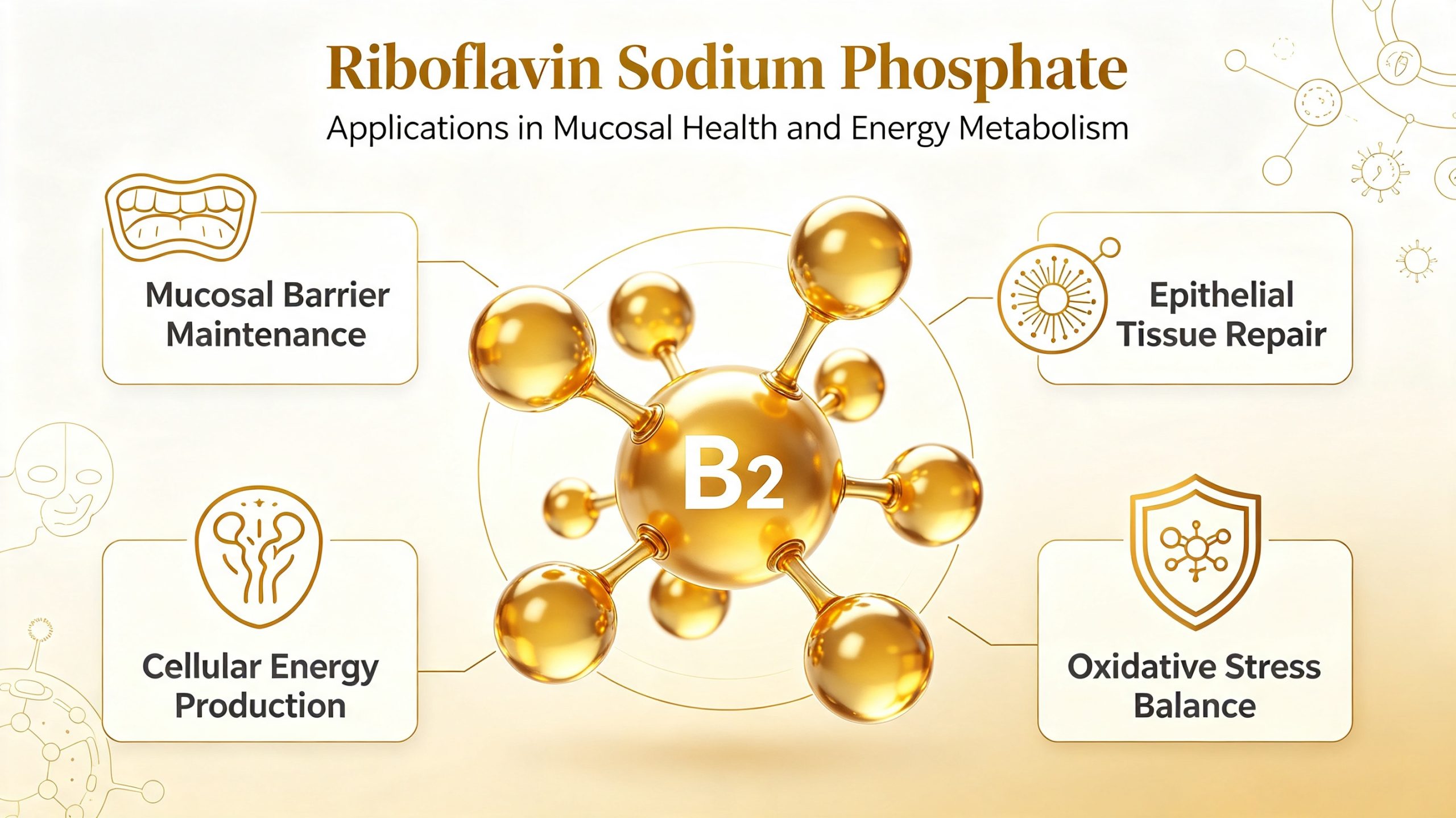
2. For Migraine Support
High-dose riboflavin has been studied as a preventive strategy for migraine.
Possible mechanism:
- Improves mitochondrial energy production
- Enhances electron transport chain efficiency
- Reduces oxidative stress in neurons
Best practices:
- Use consistently for several months rather than expecting immediate effects
- Track migraine frequency, duration, and severity
- Discuss high-dose use with a healthcare professional
It is generally considered a preventive support strategy, not an acute migraine treatment.
3. Cosmetic and Skincare Use
Riboflavin Sodium Phosphate can be used as a water-soluble active ingredient in skincare formulations.
Potential Skin Benefits
(1)Antioxidant Protection
It supports cellular antioxidant systems by contributing to flavoprotein enzyme activity.
Potential cosmetic effects:
- Helps protect skin from oxidative stress
- Supports healthier skin appearance
- Helps maintain skin vitality
(2)Support Skin Renewal
Riboflavin participates in:
- Cellular energy production
- Epithelial tissue maintenance
- Normal skin metabolism
Potential benefits:
- Improved dullness
- Healthier-looking complexion
- Support for stressed skin
Recommended Cosmetic Formulation Strategies
Use in Water-Based Products
Suitable products:
- Serums
- Essences
- Hydrating gels
- Ampoules
- Facial sprays
Because it is water-soluble, it works well in aqueous formulations.
Protect From Light
Riboflavin derivatives are light-sensitive.
For best stability:
✅ Use opaque or amber packaging
✅ Avoid transparent bottles
✅ Minimize UV exposure
✅ Store away from direct sunlight
Combine With Complementary Ingredients
Good combinations:
Riboflavin Sodium Phosphate + Niacinamide
Potential benefits:
- Supports skin barrier function
- Helps improve uneven skin appearance
- Enhances overall skin conditioning
Riboflavin Sodium Phosphate + Vitamin C Derivatives
Potential benefits:
- Antioxidant support
- Protection against environmental stress
Suitable vitamin C forms:
- Sodium Ascorbyl Phosphate
- Magnesium Ascorbyl Phosphate
- Ascorbyl Glucoside
Riboflavin Sodium Phosphate + Peptides
Examples:
- Palmitoyl peptides
- Acetyl peptides
- Copper peptides
Potential benefits:
- Supports skin repair-oriented formulations
- Complements anti-aging products
Avoid Excessive Exposure to Strong Light During Storage
Unlike many stable cosmetic vitamins, riboflavin can degrade under UV/visible light.
Formulators should consider:
- Encapsulation
- Airless packaging
- Chelating agents
- Antioxidant stabilizers
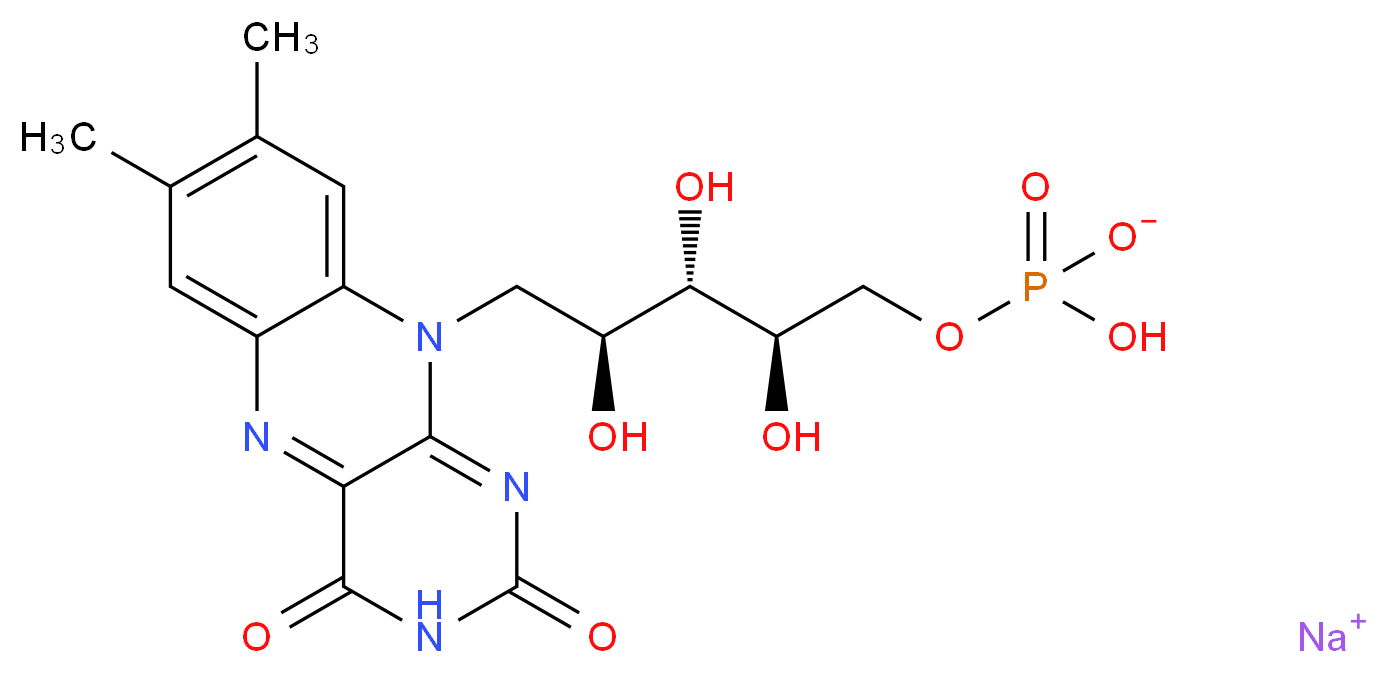
4. Medical Application: Corneal Collagen Cross-Linking
A specialized ophthalmological use involves:
- Applying riboflavin solution to the cornea
- Activating with UVA light
- Generating reactive oxygen species
- Strengthening collagen cross-links
Used for conditions such as:
- Keratoconus
- Corneal ectasia
This procedure should only be performed by ophthalmologists.
5. How to Improve Absorption and Effectiveness
Support Factors
Adequate Protein Intake
Riboflavin-dependent enzymes require proper protein synthesis.
Healthy Gut Function
A healthy digestive system supports nutrient absorption.
Avoid Excess Alcohol Consumption
Alcohol can impair riboflavin absorption and metabolism.
Correct Other Nutrient Deficiencies
Riboflavin metabolism interacts with:
- Iron metabolism
- Folate metabolism
- Vitamin B6 metabolism
6. Things to Avoid
❌ Do not assume higher doses produce better results
❌ Do not store products in sunlight
❌ Do not use degraded/discolored formulations
❌ Do not replace medical treatment with supplementation
❌ Do not combine multiple high-dose vitamin products without checking total intake
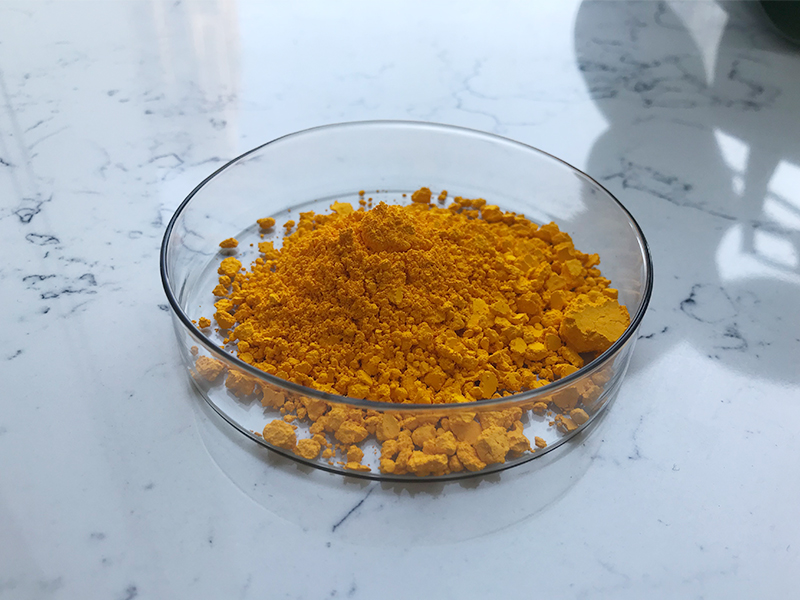
7. Practical Usage Guide
| Goal | Best Approach |
| General vitamin B2 support | Daily low-dose supplementation with food |
| Energy metabolism support | Consistent daily use |
| Migraine prevention | Higher-dose protocols under guidance |
| Skin antioxidant support | Stable topical formulation with light protection |
| Skin barrier support | Combine with niacinamide, vitamin C derivatives, peptides |
| Pharmaceutical use | Follow medical formulation instructions |
Bottom Line
For the best results, Riboflavin Sodium Phosphate should be used:
✅ Regularly rather than occasionally
✅ With food for nutritional supplementation
✅ In properly stabilized formulations for skincare
✅ Protected from light and heat
✅ Combined with complementary nutrients or actives when appropriate
Its strongest evidence is for vitamin B2 replacement, mitochondrial energy metabolism, and specialized medical applications. In skincare, it is best viewed as a supportive antioxidant and cellular metabolism ingredient, rather than a primary anti-aging active.