
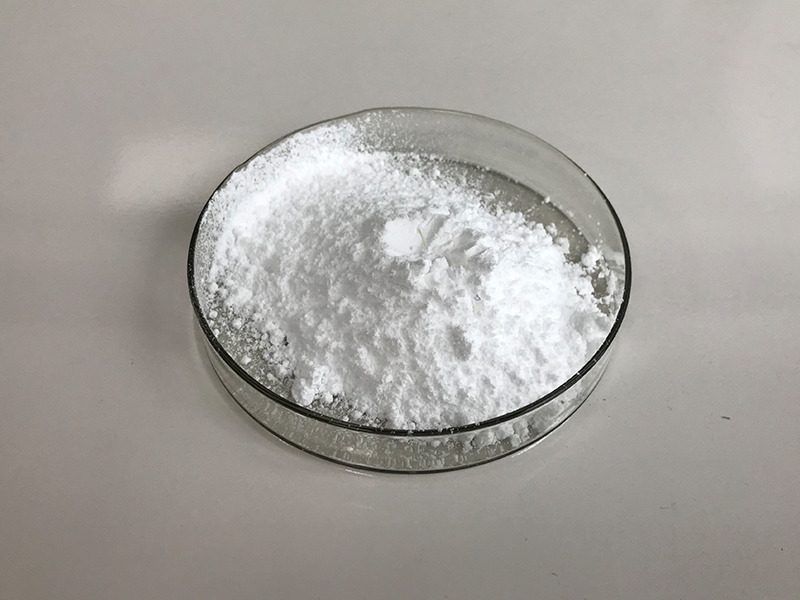
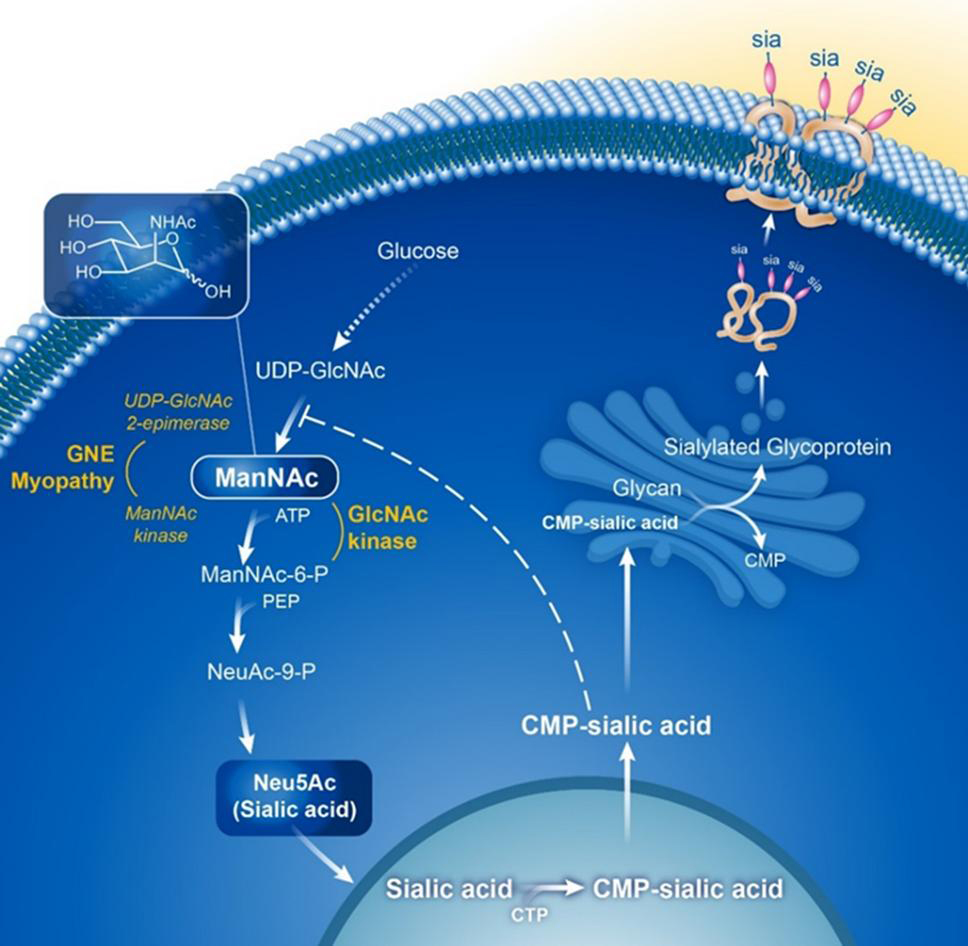
Sialic acid, particularly N-acetylneuraminic acid (Neu5Ac), is a nine-carbon acidic monosaccharide commonly found at the terminal positions of glycoconjugates on mammalian cell surfaces. It participates in cell recognition, immune regulation, receptor interactions, and protection of cell-surface molecules.
Pros of Sialic Acid (N-Acetylneuraminic Acid)
1. Supports cell recognition
- Sialic acid residues are important for cell–cell and cell–molecule recognition and communication.
2. Immune-system regulation
- Sialylated glycans can influence interactions between immune cells and regulate inflammatory and immune responses.
3. Protects cell surfaces
- Terminal sialic acid residues contribute negative charge and can protect glycoproteins and glycolipids from enzymatic degradation.
4. Important for nervous-system biology
- Sialic-acid-containing glycoconjugates are abundant in the brain and are involved in neuronal development and cell interactions.
5. Glycoprotein stability
- Sialylation can affect the circulating lifetime, stability, and biological activity of certain glycoproteins.
6. Receptor interactions
- Many viruses, bacteria, toxins, and endogenous proteins recognize sialic-acid-containing structures, making Neu5Ac important in host–pathogen interactions.
7. Nutritional/biochemical interest
- Sialic acid occurs naturally in foods such as milk and dairy products and is being investigated as a nutritional and functional ingredient.
8. Cosmetic research potential
- Because sialylated molecules participate in cell-surface biology and tissue processes, sialic acid has attracted interest in skin-care and cosmetic research. However, evidence for topical Neu5Ac itself is much more limited than for established cosmetic actives.
9. Biotechnological applications
- Neu5Ac is useful as a substrate or building block in glycoscience, enzymatic synthesis, diagnostic research, and production of specialized glycoconjugates.
Cons Sialic Acid (N-Acetylneuraminic Acid)
1. Limited evidence for many marketed benefits
- Although sialic acid has important biological functions, evidence that oral or topical free Neu5Ac produces broad health or anti-aging benefits in humans remains limited.
2. Absorption and metabolism are complex
- Free sialic acid is metabolized and incorporated through specific biochemical pathways; effects from supplementation cannot automatically be inferred from its natural cellular functions.
3. Dose-dependent effects
- The appropriate dose and long-term safety profile of supplemental Neu5Ac depend on the application and require further study.
4. Potential gastrointestinal effects
- High supplemental amounts could potentially cause gastrointestinal discomfort, although well-characterized human safety data are still limited.
5. Pathogen interactions
- Some pathogens—including certain viruses and bacteria—use sialic-acid-containing structures as attachment or recognition sites. Thus, sialic acid biology can sometimes facilitate pathogen–host interactions.
6. Stability/formulation challenges
- Free Neu5Ac is a polar, water-soluble carbohydrate, which can create formulation and stability considerations depending on the intended product.
7. Cost and manufacturing complexity
- High-purity Neu5Ac can be more expensive than common carbohydrates, particularly when produced to pharmaceutical, nutritional, or research-grade specifications.
8. Regulatory limitations
- Its regulatory status, permitted uses, and acceptable claims vary by country and by whether it is marketed as a food ingredient, cosmetic ingredient, or research material.
Overall Assessment
- Sialic acid (Neu5Ac) has strong biological importance but should not be confused with a proven therapeutic or cosmetic treatment. Its best-established roles are in cell-surface recognition, glycoprotein/glycolipid biology, immune regulation, and nervous-system function. Its potential as a nutritional or cosmetic ingredient is promising in some areas, but more well-controlled human studies are needed before many claimed benefits can be considered established.
In short:
- Pros: biologically important, supports cell recognition, contributes to cellular protection, involved in immune and neurological processes, and has biotechnology applications.
- Cons: limited clinical evidence for supplementation claims, complex metabolism, uncertain long-term supplementation data, formulation/cost considerations, and possible involvement in pathogen recognition.